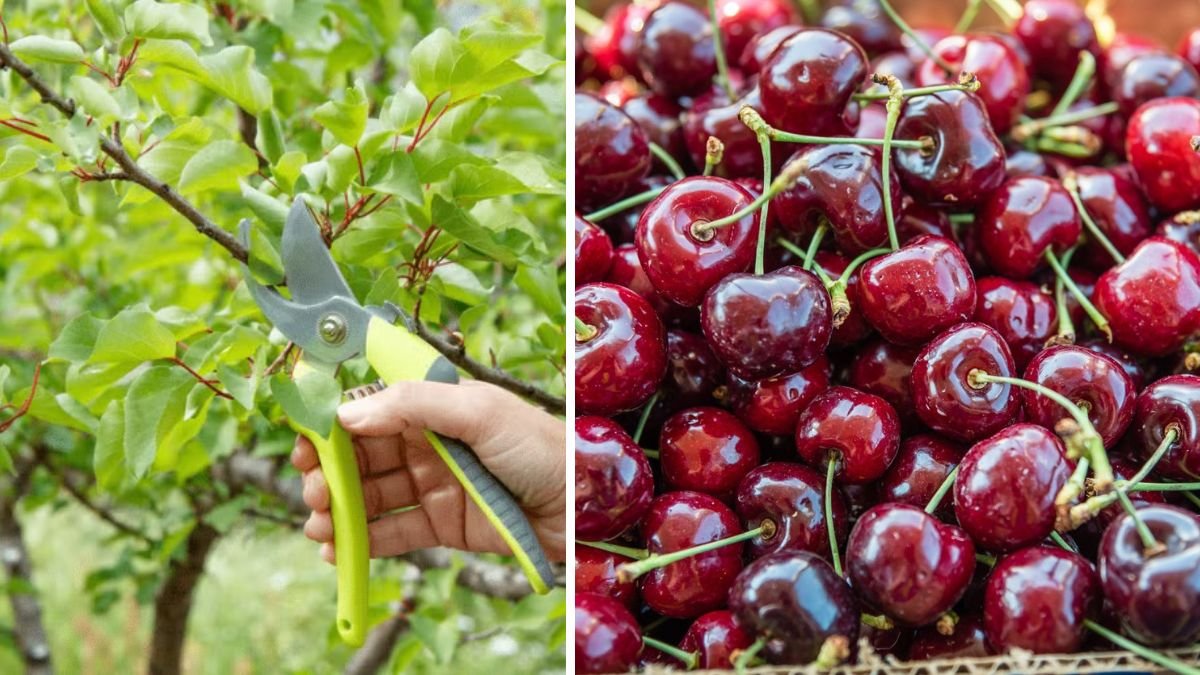
Understanding the Best Time for Cherry Pruning to Enhance Fruit Production
Cherry trees are a delightful addition to any garden. Not only do they produce beautiful blossoms in spring, but they also yield delicious fruits in summer. Proper pruning is essential for maximizing fruit production and ensuring the overall health of cherry trees. This article explores the best times for cherry pruning, the techniques involved, and why pruning is vital for enhancing fruit production.
The Importance of Pruning Cherry Trees
Pruning is more than just trimming branches; it’s a vital agricultural practice that influences growth patterns, fruit quality, and tree longevity. Here’s why pruning is important for cherry trees:
-
Improves Air Circulation: By removing excess branches, you allow better airflow through the tree, which reduces the risk of fungal diseases.
-
Enhances Sunlight Exposure: Pruning opens up the canopy, ensuring that sunlight reaches all parts of the tree, promoting better fruit production.
-
Shapes the Tree Structure: A well-pruned tree has a better shape and more stability, reducing the likelihood of branch breakage during fruit load.
-
Stimulates Growth: Regular pruning encourages new growth, leading to a more fruitful tree.
-
Reduces Pests and Diseases: By eliminating dead or diseased limbs, you help prevent infestation and infection.
Best Time for Pruning Cherry Trees
When it comes to pruning cherry trees, the timing is crucial. The best time to prune depends on whether you have sweet or sour cherry trees, but generally, pruning can be categorized into two main seasons: winter and summer.
Winter Pruning
Ideal Time: Late winter, preferably between January and March, when the trees are still dormant but before the sap begins to flow.
Benefits:
-
Dormant Trees: Pruning while trees are dormant minimizes stress and reduces the risk of disease. The bare branches allow clearer visibility of the tree’s structure, making it easier to identify which branches to remove.
-
Encouraging Growth: Winter pruning encourages new growth in the spring, leading to a robust fruit set.
Techniques:
-
Remove Dead and Diseased Wood: Start by cutting away any branches that are dead, diseased, or damaged. This helps improve overall tree health.
-
Thin Out Overcrowded Branches: Aim for an open center to let sunlight penetrate the foliage and promote even fruiting.
-
Shape the Tree: Focus on creating a balanced structure by maintaining a central leader or several main scaffolding branches.
Summer Pruning
Ideal Time: Late spring to early summer (June to July) after the tree has leafed out.
Benefits:
-
Summer Pruning for Control: This method is especially useful for controlling the size and shape of the tree. It can help in removing unwanted vertical shoots (water sprouts) that can lead to overcrowding.
-
Better Fruit Quality: By pruning during the summer, you can improve fruit quality by directing the tree’s energy to fewer fruits.
Techniques:
-
Pinching: Pinch off the tips of new shoots to encourage branching and control height.
-
Selective Cutting: Remove lower branches that might block sunlight or air circulation to improve fruit quality.
Special Considerations for Pruning Cherry Trees
-
Tree Variety:
- Sweet Cherries: Generally require more pruning to improve yield and structure. They are more susceptible to diseases, so winter pruning is crucial.
- Sour Cherries: These tend to be hardier and may require less frequent pruning. Summer pruning is often more beneficial for these.
-
Age of the Tree:
- Young trees (1-3 years): Focus on training rather than heavy pruning. Shape young trees to ensure a strong framework.
- Mature trees (4+ years): Regularly prune for health, shape, and fruit production.
-
Weather Conditions:
- Avoid pruning during wet conditions, as this increases the likelihood of disease. If you must prune in wet conditions, ensure to disinfect your tools between cuts.
Tips for Successful Cherry Pruning
-
Use Clean, Sharp Tools: This minimizes damage and the risk of transmitting diseases. Disinfect your tools with rubbing alcohol before starting.
-
Observe Tree Patterns: After a few seasons, learn how your tree responds to pruning to make better decisions in the future.
-
Follow the 1/3 Rule: Do not remove more than 1/3 of the tree’s canopy in a single year to avoid shocking the tree.
-
Keep a Pruning Diary: Document what you prune, when, and the outcomes to help refine your technique in future seasons.
Signs Your Cherry Tree Needs Pruning
- Sparse Foliage or Poor Fruit Set: Indicates it might be time for thinning and shaping.
- Dead or Diseased Branches: Regular inspection can help in identifying issues before they affect the entire tree.
- Overcrowded Canopy: If branches are rubbing against each other or growing too close together, pruning can alleviate these issues.
FAQs
What are the signs of a healthy cherry tree?
A healthy cherry tree will have vibrant leaves, strong branches, an even distribution of fruits, and a balanced canopy. Regular monitoring can help catch any early signs of disease or stress.
How often should I prune my cherry tree?
Generally, yearly pruning is sufficient once the tree has reached maturity. However, young trees require more formative pruning to shape their structure.
Can I prune cherry trees in fall?
Pruning in the fall is generally discouraged as it can expose the tree to winter injury and disease. It’s better to wait for late winter or summer.
How can I tell if I’m over-pruning my cherry tree?
If you notice a significant drop in fruit production or if the tree becomes excessively bare, you may be over-pruning. Always aim to maintain a balance between fruit production and tree health.
What should I do with the cut branches?
You can compost healthy branches. However, diseased or infested wood should be disposed of properly to prevent spreading issues.
Conclusion
Pruning your cherry tree at the right time is vital for maximizing fruit production and ensuring the tree’s health. Whether you opt for winter or summer pruning, the key is to adopt a mindful approach. Taking the time to understand your tree’s needs, utilizing proper techniques, and staying vigilant about its health can lead to a bountiful harvest year after year.