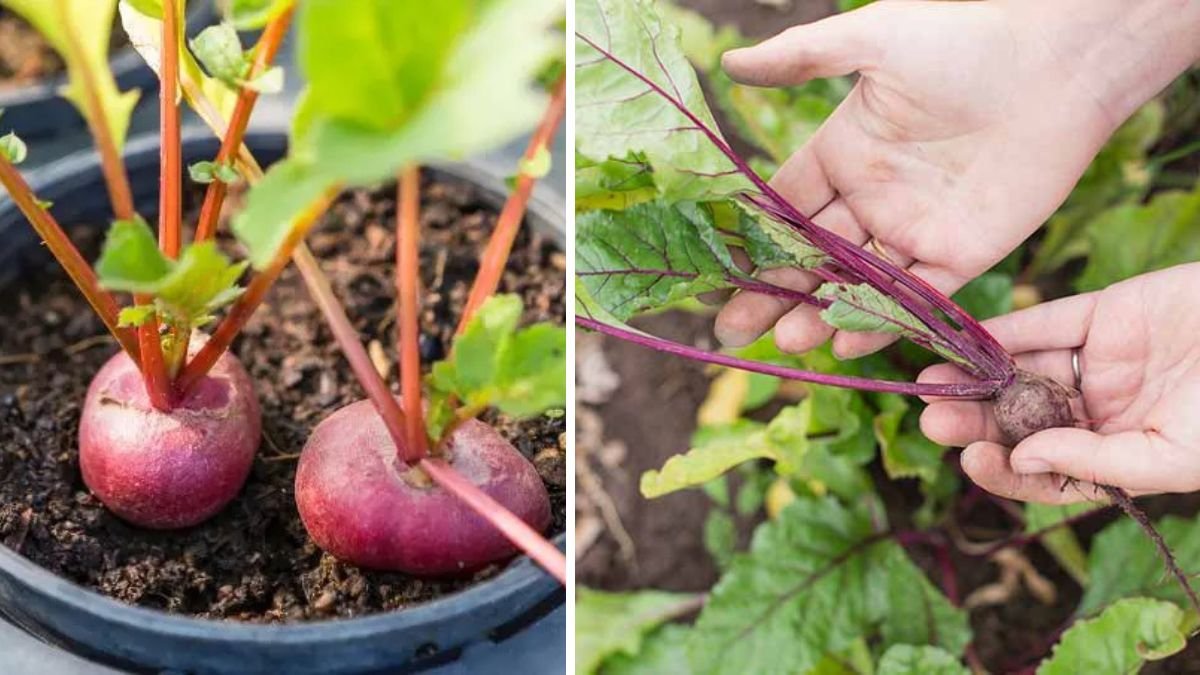
Beetroot, known scientifically as Beta vulgaris, is a versatile plant renowned for its vibrant root and lush foliage. While many focus on the edible bulb, the leafy tops often go unnoticed. Packed with nutrients and offering a unique flavor, beetroot leaves are highly nutritious and can be easily cultivated at home. This guide will walk you through the process of growing healthy beetroot leaves, along with tips, tricks, and answers to frequently asked questions.
Why Grow Beetroot Leaves?
Nutritional Value
Beetroot leaves are rich in vitamins A, C, and K. They also contain essential minerals like iron, calcium, magnesium, and potassium, making them a valuable addition to your diet. Their high antioxidant levels can help combat oxidative stress, making them a healthy choice for salads, smoothies, and various dishes.
Culinary Uses
Beetroot leaves have a slightly earthy flavor with hints of sweetness, making them versatile for cooking. You can sauté them, add them to salads, make pestos, or even use them in wraps or as a pizza topping. They’re an excellent way to incorporate more greens into your meals!
Getting Started: What You Need
Before you dive into growing beetroot leaves, gather the following materials:
-
Seeds or Seedlings: Choose a variety that is suitable for your climate and taste preferences. There are table beets, leaf beets, and sugar beets, but for foliage, table beets are the best choice.
-
Container or Garden Bed: Beetroot can be grown in a pot, raised bed, or directly in the garden. Ensure your chosen space has well-draining soil.
-
Soil: A rich, loamy soil with a pH of 6.0 to 7.0 is ideal. You can mix compost with garden soil to enhance growth.
-
Sunlight: Beetroot plants thrive in full sun, so choose a spot that receives at least 6-8 hours of sunlight daily.
-
Watering Can: Consistent moisture is vital for growing healthy beetroot leaves.
-
Fertilizer: A balanced, slow-release fertilizer will provide the needed nutrients.
Step-by-Step Guide to Growing Beetroot Leaves
Step 1: Choose the Right Time to Plant
Beetroot can be planted in both spring and fall. For spring planting, sow seeds directly into the soil after the last frost date. For fall planting, aim for about two months before the first expected frost. This timing will ensure that your plants are ready to harvest prior to the cold temperatures.
Step 2: Prepare the Soil
Prepare your soil by removing any weeds and debris. Loosen the soil to a depth of 12 inches, ensuring good aeration. Mix in compost or well-rotted manure to boost nutrient levels. Level the surface before planting.
Step 3: Sowing Seeds
Spacing: Plant beetroot seeds about 2-4 inches apart, especially if you’re focusing on leaves. If you’re allowing for root development, space them 4-6 inches apart.
Depth: Sow seeds about 1/2 inch deep. If using seedlings, plant them at the same depth they were in their original container.
Watering: After sowing or transplanting, gently water the area to settle the soil around the seeds.
Step 4: Care and Maintenance
-
Watering: Keep the soil consistently moist but not soggy. Water once a week, increasing frequency during hot, dry spells.
-
Weeding: Regularly check for weeds, as they can compete with your beetroot for nutrients. Hand-pull weeds to avoid disturbing the roots.
-
Fertilizing: Apply a balanced fertilizer once during the growing season. Avoid high nitrogen fertilizers as they can lead to lush leaves with poor root development.
-
Thinning: Once seedlings are 2-3 inches tall, thin them out to prevent overcrowding. This will encourage larger leaf growth.
Step 5: Harvesting Beetroot Leaves
Beetroot leaves are usually ready to start harvesting in about 4-6 weeks after sowing, depending on variety and conditions. To harvest, simply cut outer leaves at the base, allowing the inner leaves to continue growing. This method will provide a continuous supply of fresh foliage.
Step 6: Seasonal Maintenance
In regions with hard freezes, consider covering your beetroot with mulch or cloth to protect them. If growing indoors, you can control the temperature and continue harvesting year-round.
Pests and Diseases
Beetroot leaves can be susceptible to pests such as aphids, leaf miners, and beet leafhoppers. Regularly inspect your plants for signs of infestation. If you notice any pests:
- Use neem oil or insecticidal soap as a natural remedy.
- Encourage beneficial insects, such as ladybugs, to keep pest populations in check.
Diseases like downy mildew and rust can affect beetroot leaves as well. Ensure good air circulation and avoid overhead watering to minimize these issues.
Tips for a Successful Harvest
- Timing: Harvest in the early morning when moisture is high for better flavor and crunch.
- Storage: Store beetroot leaves in the refrigerator wrapped in a damp paper towel for up to a week.
- Cooking: Cook beetroot leaves similarly to Swiss chard or spinach. They shrink down significantly when cooked.
FAQs
1. Can I grow beetroot leaves in containers?
Yes! Beetroot can be successfully grown in containers. Ensure the pot is at least 12 inches deep for sufficient root space and use well-draining soil.
2. How often should I water beetroot plants?
Keep your soil consistently moist, watering approximately once a week. Increase frequency during hotter months.
3. What are the best companion plants for beetroot?
Beetroot grows well alongside plants like garlic, onions, and lettuce. Avoid planting them near pole beans, as they can hinder each other’s growth.
4. Can I eat beetroot leaves raw?
Absolutely! Young beetroot leaves can be added to salads for a nutritious and flavorful addition.
5. How long do beetroot leaves take to grow?
Beetroot leaves can be ready for harvest in about 4-6 weeks after sowing, allowing for continuous picking throughout the growing season.
6. What is the best way to store beetroot leaves?
Store washed and dried beetroot leaves wrapped in a damp paper towel within a plastic bag in the refrigerator for up to one week.
Conclusion
Growing healthy beetroot leaves at home is a rewarding endeavor that provides both nutritional benefits and culinary versatility. With the right care and attention, you can enjoy fresh, vibrant greens throughout the growing season. Embrace this simple method, and make beetroot leaves a staple in your home garden!