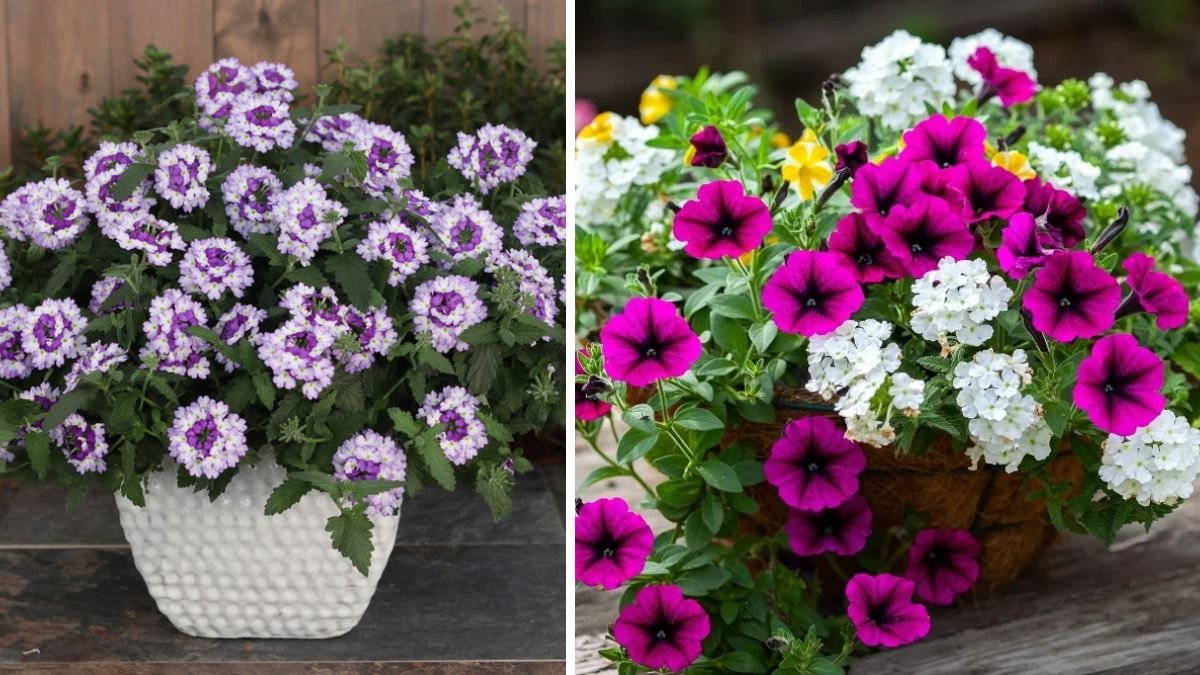
Verbena is a stunning and versatile flowering plant that can add vibrant colors and fragrances to your garden, particularly in hanging pots. Their cascading blooms make them an excellent choice for container gardening, providing a lush display of colors that brighten up balconies, patios, and garden spaces. If you want to ensure that your verbena plants thrive and bloom profusely, this guide will delve into easy hacks to maximize their growth and blooming potential.
Understanding Verbena
Types of Verbena
Before we dive into growth hacks, it’s essential to know the different types of verbena you might consider for your hanging pots:
- Trailing Verbena: This variety is known for its long, cascading growth, making it ideal for hanging baskets.
- Bush Verbena: Characterized by a more upright growth habit, bush verbena can also work well in pots but may require a bit more space.
Growth Characteristics
Verbena is generally resilient and easy to care for. They prefer well-draining soil, moderate watering, and plenty of sunlight. Understanding these basic needs will help you implement techniques that promote vigorous growth and blooming.
Hacks for Maximizing Growth and Blooming
1. Choose the Right Pot
The type of pot chosen for your verbena plays a crucial role in growth.
- Size: Ensure your hanging pot is at least 10-12 inches in diameter. This size allows enough space for roots to grow.
- Material: Opt for pots made of breathable materials like clay or terracotta. These can help in moisture regulation, minimizing water stagnation.
2. Soil Selection
Using the right potting mix is vital for verbena health.
- Well-draining Soil: A mix that includes peat moss, vermiculite, or perlite promotes excellent drainage.
- Nutrient-Rich: Consider adding a slow-release fertilizer to your potting mix. This will provide essential nutrients over time.
3. Watering Wisely
Proper hydration is essential but requires a balanced approach.
- Frequency: Water when the top inch of soil feels dry to the touch. Overwatering can lead to root rot.
- Technique: Water deeply but infrequently. This encourages deeper root growth, leading to a more robust plant.
4. Optimal Sunlight
Verbena thrives in bright areas, but the right light conditions can differ.
- Sun Requirements: Position your hanging pots in an area where they receive at least 6-8 hours of sunlight daily.
- Partial Shade: In extremely hot climates, consider providing partial shade during the hottest parts of the day to avoid scorching the leaves.
5. Fertilization
Regular fertilizing is essential for vibrant blooms.
- Choose the Right Fertilizer: Opt for a balanced, water-soluble fertilizer, such as a 20-20-20 formula, once every month during the growing season.
- Organic Options: If you prefer organic gardening, consider using liquid seaweed or fish emulsion fertilizers.
6. Pruning and Deadheading
Regular pruning helps maintain the health and appearance of your verbena.
- Deadheading: Remove spent flowers regularly to encourage new blooms and prevent the plant from going to seed.
- Pinching Back: For bushier growth, pinch back the tips of the stems. This encourages lateral branching and denser foliage.
7. Pest Management
Keeping an eye on pests can prevent damage to your plants.
- Identify Common Pests: Aphids, spider mites, and whiteflies are common threats to verbena.
- Natural Solutions: Introduce beneficial insects like ladybugs or use neem oil as a natural pesticide.
8. Companion Planting
Pairing verbena with compatible plants can promote mutual health and blooming.
- Best Companions: Consider planting verbena alongside petunias, geraniums, or marigolds. These plants share similar water and light requirements.
9. Seasonal Care
Adapting your care routine to changing seasons ensures your verbena remains robust.
- Winter Care: If you live in an area with harsh winters, consider bringing your pots indoors or covering them to protect them from frost.
- Summer Care: During extreme heat, be attentive to watering frequency and may benefit from an additional layer of mulch to retain moisture.
10. Propagation Techniques
If you want to expand your garden, propagation is a great option.
- Cuttings: Take cuttings in late spring and root them in water or moist soil.
- Seed Collecting: If you have healthy plants, consider collecting seeds. However, remember that seedlings may not always resemble the parent plant.
Additional Considerations
Climate and Environment
Understanding your local climate can enhance your gardening success. Verbena thrives in warm weather but may struggle in extreme heat or frost. Adjust your care based on local weather conditions.
Monitoring Plant Health
Regularly check your plants for signs of distress or nutrient deficiency, such as yellowing leaves or stunted growth. Prompt action can make a significant difference.
Experimenting
Every garden is unique, so don’t hesitate to experiment with different techniques to see what works best for your specific conditions.
Frequently Asked Questions (FAQs)
1. How often should I water my verbena in hanging pots?
Water your verbena when the top inch of soil feels dry. Depending on your climate, this might be every few days to once a week.
2. Can I use regular garden soil for verbena pots?
It’s not recommended to use regular garden soil, as it may not provide proper drainage. Opt for a well-draining potting mix instead.
3. How can I tell if my verbena is getting enough sun?
If your verbena is stretching towards the light or experiencing leggy growth, it may not be getting enough sunlight. Ideally, they should receive 6-8 hours of direct sunlight daily.
4. What should I do if I notice pests on my verbena?
Regularly inspect your plants for pests. If detected, consider removing them by hand or applying neem oil as a natural pesticide.
5. Is it necessary to fertilize verbena?
Yes, regular fertilization helps support blooming and overall plant health. Use a balanced water-soluble fertilizer once a month during the growing season.
6. Can I grow verbena indoors?
While verbena prefers outdoor conditions, it can be grown indoors as long as it receives sufficient sunlight and proper care.
7. What is the best way to encourage blooming?
Regular deadheading, adequate sunlight, and proper watering will encourage continuous blooming in your verbena plants.
8. When is the best time to prune verbena?
Prune verbena in early spring to remove any dead or damaged growth and again throughout the growing season for deadheading.
Conclusion
By implementing these easy hacks, you can maximize the growth and blooming potential of your verbena hanging pots, creating a vibrant and colorful display in your garden. From selecting the right pot and soil to mastering watering techniques and pest control, each step plays a critical role in ensuring your verbena thrives. Enjoy your gardening journey, and let your hanging pots burst with color!