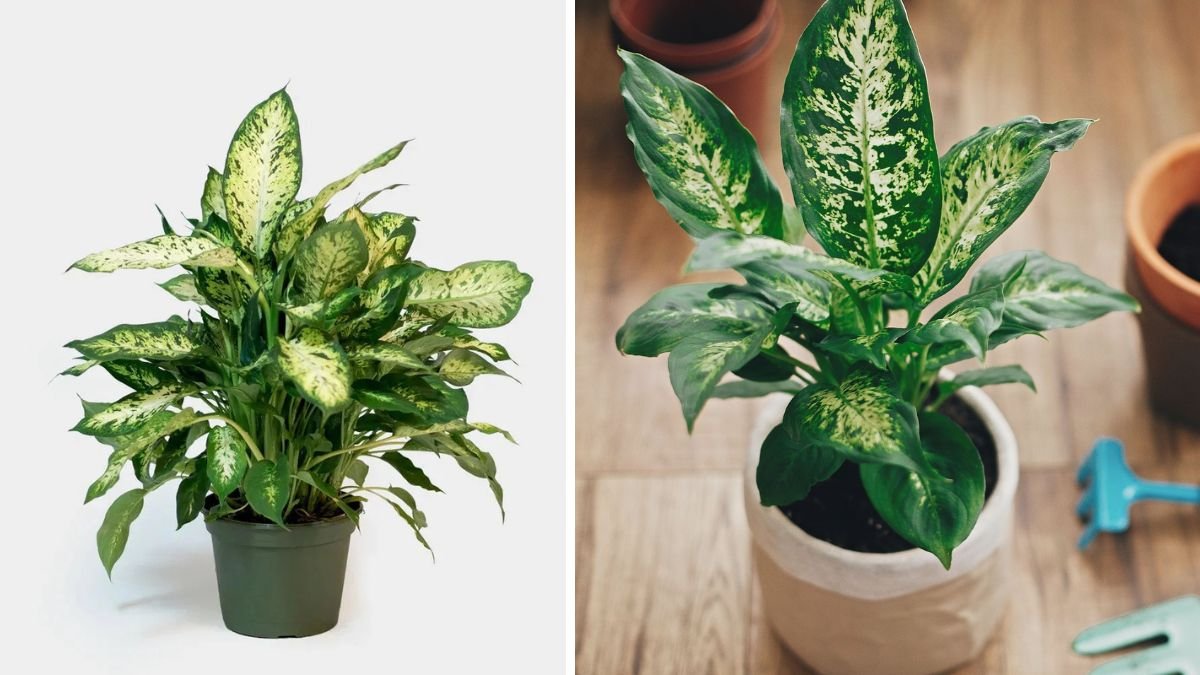
Dumb cane, scientifically known as Dieffenbachia, is a popular houseplant that belongs to the family Araceae. Known for its lush, vibrant foliage, this plant can dramatically enhance any indoor space’s aesthetics. It’s not just visually appealing but also easy to care for, making it an ideal choice for both novice and seasoned indoor gardeners. This article explores the best techniques for growing dumb cane, ensuring that your plant thrives and contributes significantly to your indoor landscape.
Understanding Dumb Cane
Before diving into growth techniques, it’s essential to understand what dumb cane is and why it’s desirable.
Characteristics of Dumb Cane
The dumb cane plant is characterized by its large, patterned leaves that can vary from bright green to variegated forms with shades of cream and yellow. When mature, the plant can grow anywhere from 3 to 6 feet tall indoors, making it an excellent statement piece.
Toxicity
It is crucial to note that dumb cane contains calcium oxalate crystals, which can be toxic to pets and humans if ingested. The symptoms may include difficulty swallowing or swelling. Therefore, placing it out of reach of pets and small children is advisable.
Best Techniques for Growing Dumb Cane
1. Choosing the Right Pot and Soil
Potting
Selecting the right pot is crucial for the health of your dumb cane. Pots should have drainage holes to prevent waterlogging. A larger pot allows for growth but ensures that it’s not overly spacious, as this can lead to root rot.
Soil
Dumb cane thrives in well-draining potting soil consisting of peat moss, perlite, and vermiculite. This mix retains moisture while providing sufficient aeration to the roots.
2. Light Requirements
Dumb cane flourishes in bright, indirect light. While it can tolerate lower light levels, lack of sufficient light can lead to leggy growth and dull leaf coloration. If you notice these changes, consider moving your plant closer to a window but avoid direct sunlight, which can scorch the leaves.
3. Watering Techniques
Watering Schedule
The key to successful dumb cane care lies in proper watering. Water the plant when the top 2 inches of the soil feel dry to the touch. During the growing season (spring and summer), this might mean watering once a week, while in fall and winter, you can check every two weeks.
Thoroughness
Ensure you water thoroughly until it drains out of the bottom of the pot. Discard any excess water in the saucer to prevent root rot.
4. Humidity and Temperature
Humidity Levels
Dumb cane thrives in environments with higher humidity levels, ideally between 50-70%. If your indoor air is dry, particularly in winter months, consider using a humidifier or placing a tray of water near the plant. Misting the leaves also helps increase humidity but should be done cautiously to avoid fungal issues.
Temperature Range
Dumb cane prefers a temperature range of 60°F to 75°F (15°C to 24°C). Avoid exposing the plant to temperatures below 50°F (10°C) and ensure it’s kept out of drafty areas.
5. Fertilization Techniques
To promote healthy growth, fertilize your dumb cane during the growing season with a balanced, water-soluble fertilizer diluted to half strength. Fertilize every 4-6 weeks in spring and summer, but reduce or stop in fall and winter when the plant goes dormant.
6. Pruning for Growth and Aesthetics
Pruning your dumb cane keeps it looking its best and encourages bushier growth. Remove any yellow or damaged leaves and cut back leggy growth. Use sharp, sterilized scissors to avoid damaging the plant.
7. Propagation Techniques
If you’re looking to expand your dumb cane collection, propagation can be an exciting project.
Stem Cuttings
- Take a 6-8 inch cutting from a healthy stem.
- Remove lower leaves, leaving just a few at the top.
- Place the cutting in water or moist soil.
- Wait for roots to develop, which should take a few weeks.
Division
You can also propagate by dividing the root ball when repotting. Ensure each division has sufficient roots and foliage for a successful transplant.
8. Pest Management
Dumb cane can be susceptible to pests like spider mites, aphids, and mealybugs. Regularly inspect the plant for any signs of infestation.
Preventive Measures
- Wipe leaves regularly to drive away pests.
- In case of an outbreak, use insecticidal soap or neem oil as a treatment.
9. Signs of a Healthy Dumb Cane
A healthy dumb cane will showcase vibrant, upright leaves with a rich green hue. New growth should emerge regularly, and the overall shape should be bushy and full. If you notice yellowing leaves or white residue, it might be time to review your care techniques.
10. Addressing Common Problems
Understanding and addressing common issues is vital for maintaining your dumb cane’s health.
Yellow Leaves
This often indicates overwatering or a lack of nutrients. Assess your watering routine and consider fertilizing if necessary.
Leggy Growth
This usually points to insufficient light. Move your plant to a brighter location where it can receive indirect sunlight.
FAQs about Growing Dumb Cane
1. Can dumb cane grow in low-light conditions?
While it can tolerate low light, it thrives best in bright, indirect sunlight. Low light can lead to leggy growth and faded colors.
2. Is dumb cane safe for pets?
Dumb cane is toxic to pets, particularly cats and dogs. Keep it out of reach to ensure their safety.
3. How often should I water my dumb cane?
Water when the top 2 inches of soil feel dry, usually once a week in spring and summer and every two weeks in fall and winter.
4. What should I do if my dumb cane starts drooping?
Drooping leaves often indicate underwatering. Check the soil moisture and adjust your watering routine accordingly.
5. Can I use regular potting soil for dumb cane?
Yes, as long as the soil is well-draining. A mix with peat, perlite, and vermiculite is ideal.
6. What’s the best way to increase humidity for my dumb cane?
A humidifier or a pebble tray with water can help increase humidity. Regular misting can also be beneficial.
Conclusion
Growing dumb cane is a rewarding venture that enhances your indoor aesthetic with its vibrant foliage and lush appearance. By understanding the plant’s needs regarding light, water, humidity, and care, you can cultivate a thriving dumb cane that acts as a stunning focal point in your indoor space. With proper techniques and a little awareness of potential issues, your dumb cane will flourish, rewarding you with its striking beauty for years to come. Happy gardening!