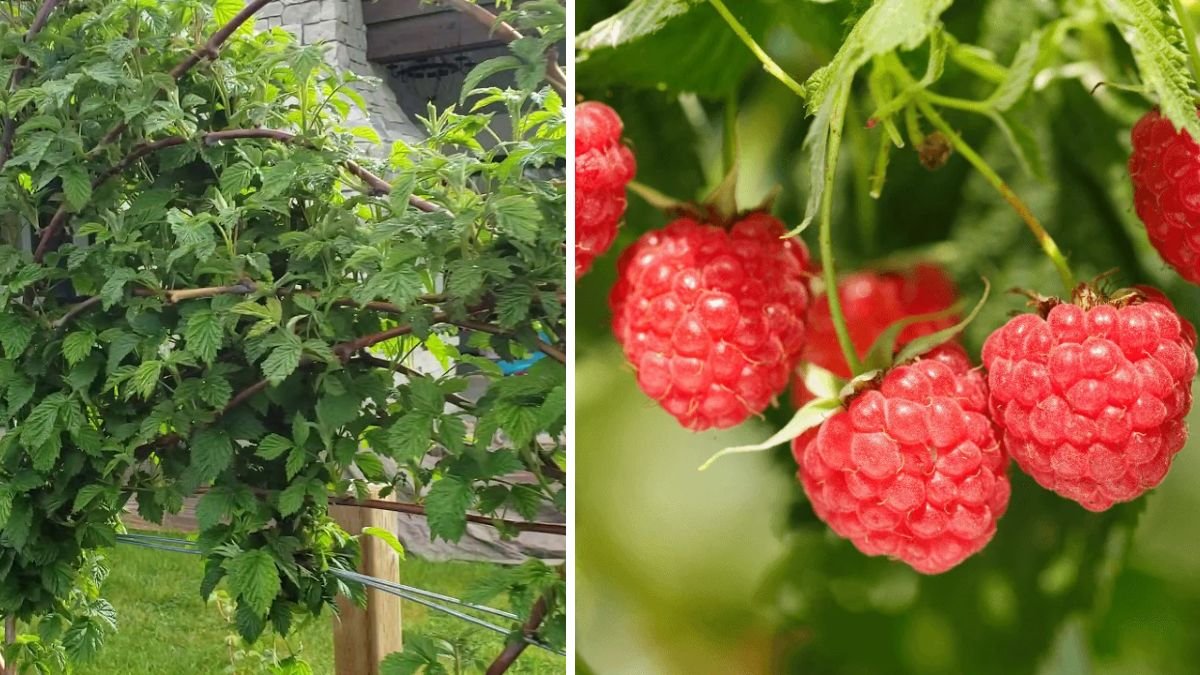
Raspberries are not just a delicious fruit; they also offer a plethora of health benefits, making them a popular choice for home gardening. With their vibrant color and sweet-tart flavor, raspberries can elevate your backyard garden’s aesthetic while providing fresh produce right at your fingertips. This comprehensive guide will walk you through the steps required to cultivate a thriving raspberry patch in your backyard.
Understanding Raspberry Varieties
Raspberries come in several varieties, primarily categorized as red, black, purple, and yellow. Each variety has unique growth patterns and flavor profiles.
Red Raspberries
Red raspberries are the most common type, known for their sweet flavor and are ideal for both fresh eating and canning. Popular varieties include ‘Heritage’ and ‘Latham,’ which are hardy and produce abundant yields.
Black Raspberries
These are less common but have a unique flavor profile with slightly more tartness. Varieties like ‘Doyle’ are known for their resilience and high yield.
Purple Raspberries
Purple raspberries are a hybrid between red and black varieties, offering a rich, sweet taste. They may be less widely available but are worth considering for their unique flavor.
Yellow Raspberries
These are essentially a variation of red raspberries, notable for their fruity sweetness and decorative appeal. Varieties like ‘Fall Gold’ produce fruits that are golden yellow upon ripening.
Choosing the Right Location
Raspberries thrive in well-drained, loamy soil with plenty of sunlight. They need at least 6-8 hours of direct sunlight per day for optimal growth. When selecting a site, consider the following:
Sunlight
Choose a location that gets maximum sunlight and is sheltered from strong winds, which can damage the delicate canes.
Soil Drainage
Good drainage is crucial to prevent root rot. If your garden soil is heavy clay, consider raised beds or mounds for your raspberry plants.
Proximity to Water
Raspberries require consistent moisture, especially during fruiting. Having a nearby water source can simplify irrigation efforts.
Preparing the Soil
Soil preparation is key to a healthy raspberry patch. Conduct a soil test to determine pH and nutrient levels. Raspberries prefer slightly acidic soil (pH 5.5-6.5).
Amending the Soil
- Organic Matter: Incorporate well-rotted manure or compost to improve soil structure and nutrient content.
- Fertilizers: Use balanced fertilizers, ideally one high in nitrogen during the growing season and lower in nitrogen during fruiting.
Tilling
Till the soil to a depth of about 12 inches, breaking up clumps and removing any weeds. This not only aerates the soil but also prepares a loose bed for planting.
Planting Raspberries
The best time to plant raspberries is in early spring, once the ground has thawed. You can plant bare-root plants or nursery-grown plants.
Spacing
Plant red raspberries about 2-3 feet apart in rows that are 6-8 feet apart. Black and purple varieties can be spaced slightly closer.
Planting Technique
- Dig a Hole: Create a hole large enough to accommodate the roots spread out.
- Position the Plant: Place the plant so the crown (the point where roots meet the stem) is level with the soil surface.
- Fill the Hole: Backfill with soil, ensuring no air pockets remain.
- Water Thoroughly: After planting, give the new transplants a good soak to settle the soil.
Caring for Your Raspberry Patch
Maintaining your raspberry patch involves regular care throughout the growing season.
Watering
Raspberries need about 1-2 inches of water weekly. During dry spells, deep watering is crucial. Drip irrigation is a great option to ensure consistent moisture without wetting the foliage.
Mulching
Apply a thick layer of mulch (straw, wood chips, or grass clippings) around the base of the plants. This helps retain moisture, suppresses weeds, and keeps the soil temperature stable.
Pruning
Pruning is vital for maintaining plant health and maximizing yield.
- Summer-Bearing Varieties: Prune in late winter or early spring before new growth starts. Remove any dead or weak canes, allowing strong ones to thrive.
- Fall-Bearing Varieties: These can be pruned in late fall after harvest or in early spring before the new growth begins.
Fertilizing
Typically, raspberries benefit from two applications of fertilizer each year: once during the early growing season and again after harvest.
Pest and Disease Management
Raspberry plants can face various pests and diseases. Familiarizing yourself with common issues can help manage them effectively.
Common Pests
- Japanese Beetles: Hand-picking or using insecticidal soap can help control populations.
- Spider Mites: These thrive in hot, dry conditions. Regularly washing plants can help reduce their numbers.
Common Diseases
- Botrytis Fruit Rot: A fungal disease that thrives in wet conditions. Ensure good air circulation by spacing your plants properly and managing humidity.
- Anthracnose: Look for signs of wilting and dying canes. Prune affected areas and avoid overhead watering.
Harvesting Raspberries
Harvesting raspberries at the right time is vital for optimal flavor and shelf-life.
Signs of Ripeness
Raspberries are typically ready to harvest when fully colored and easily come off the stem with a gentle pull. They should be plump, have a slight give, and display vibrant color.
Harvesting Technique
Use care while picking to avoid crushing the delicate berries. Gently twist or pull the fruit to detach them from the plant. Harvest in the morning for the best flavor and firmness.
Storing Raspberries
Raspberries are best enjoyed fresh but can be frozen for later use. To freeze them:
- Wash and Dry: Rinse the berries gently and pat dry.
- Flash Freezing: Spread them out in a single layer on a baking sheet and freeze for a few hours before transferring them to airtight containers.
Finding Success in Your Raspberry Patch
With proper care and attention, your raspberry patch can become a centerpiece of your backyard, providing abundant harvests for years to come. Remember, gardening is as much about patience and observation as it is about following techniques.
Seasonal Care
- Spring: Planting and establishing new canes.
- Summer: Regular harvesting and monitoring pests.
- Fall: Preparing plants for winter through proper pruning.
- Winter: Protecting canes from harsh weather.
FAQs
1. How long does it take for raspberries to produce fruit?
Typically, raspberries will bear fruit in their second year after planting. Fall-bearing varieties may produce a smaller crop in the first year.
2. Can raspberries be grown in containers?
Yes, raspberries can thrive in containers as long as they are large enough (at least 5 gallons) and have good drainage. Use a high-quality potting mix.
3. What is the best time of year to plant raspberries?
Early spring, after the last frost, is ideal for planting raspberries. Some gardeners prefer fall planting in milder climates.
4. Can I grow raspberries in the shade?
Raspberries prefer full sun but can tolerate partial shade. However, yields may be significantly lower, and plants may become leggy.
5. How do I know if my raspberry plants are healthy?
Healthy raspberry plants have vibrant green leaves, sturdy canes, and produce abundant flowers and fruit. Yellowing leaves, wilting canes, or stunted growth can indicate health issues.
6. Are raspberry plants perennial?
Yes, raspberries are perennial plants, meaning they will come back year after year once established with proper care.
7. How can I encourage more fruit on my raspberry plants?
Proper pruning, regular watering, and adequate sunlight can significantly help increase fruit production. Additionally, removing weak canes encourages stronger growth.
8. Should I use pesticides on my raspberry plants?
While many pests can be managed organically, chemical pesticides should be used as a last resort. Always follow label instructions and consider organic alternatives first.
With dedication and attention, cultivating a thriving raspberry patch can be a fruitful endeavor that enhances your gardening experience and enriches your diet. Happy gardening!