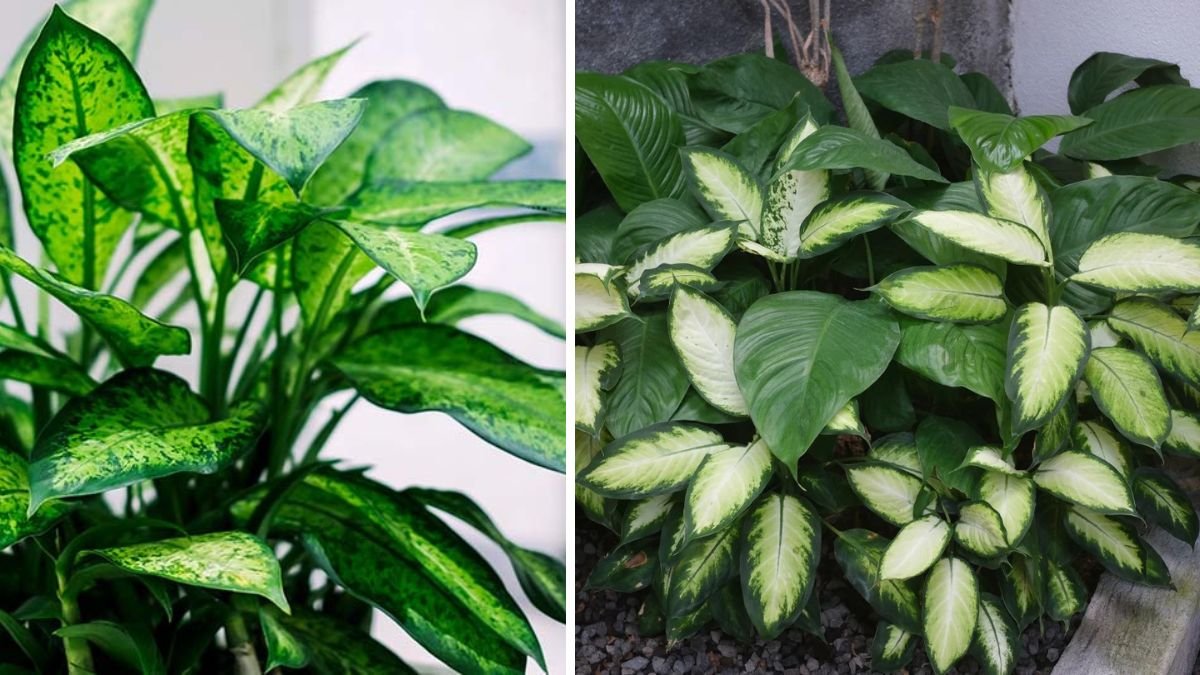
Dieffenbachia, commonly known as dumb cane, is a tropical plant known for its striking foliage and ease of maintenance. While most people cultivate it as an indoor houseplant, it can also thrive outdoors in suitable climates. This guide will walk you through all the essential steps to successfully grow Dieffenbachia outdoors in your garden throughout the year.
Understanding Dieffenbachia
Before diving into the care specifics, let’s understand what Dieffenbachia is. Originating from the tropical regions of Central and South America, this evergreen perennial grows in clumps and can reach a height of 3 to 6 feet. Its large, lush leaves are typically marked with distinctive white or cream patches that enhance its aesthetic appeal.
Benefits of Growing Dieffenbachia Outdoors
- Aesthetic Appeal: Dieffenbachia offers lush, attractive foliage that can enhance the visual appeal of any garden.
- Air Purification: Like many houseplants, Dieffenbachia helps purify the air, removing toxins and improving indoor quality.
- Easy Maintenance: This plant is relatively low-maintenance, making it an ideal choice for both novice and experienced gardeners.
- Versatile Landscaping: Its height and bushiness make it excellent for borders, clusters, and as a statement piece in garden designs.
Ideal Growing Conditions
Climate
Although Dieffenbachia can tolerate a range of temperatures, it thrives best in USDA hardiness zones 10 through 12. If you live in a colder climate, you may need to bring your Dieffenbachia indoors during winter months.
Sunlight
Dieffenbachia prefers bright, indirect light. While it can tolerate partial shade, direct sunlight can scorch its leaves. Aim to place your plant in a location that receives filtered sunlight or a few hours of morning sun each day.
Soil
Well-draining potting soil is essential for Dieffenbachia. A mix of peat, perlite, and pine bark works well. Ensure that the soil is rich in organic matter to promote healthy growth.
Watering
Dieffenbachia likes it humid but not soggy. Water the plant when the top inch of soil feels dry. Overwatering can lead to root rot, so ensure your pot or garden bed has excellent drainage.
Planting Dieffenbachia Outdoors
Step 1: Choose the Right Location
Before planting, assess the area where you want to place your Dieffenbachia. Look for:
- Partial Shade: Areas that receive morning sun but are shaded in the afternoon.
- Good Drainage: Avoid locations prone to standing water.
Step 2: Prepare the Soil
Amend the soil by adding compost or well-rotted manure. This will help retain moisture and provide necessary nutrients. Dig a hole that is twice the width of the root ball and just as deep.
Step 3: Planting
- Remove the plant from its pot carefully: Gently loosen the roots if they are packed tightly.
- Place the plant in the hole: Ensure the top of the root ball is level with the soil surface.
- Fill the hole with soil: Firmly tamp down the soil, ensuring there are no air pockets.
Step 4: Watering Post-Planting
After planting, water the Dieffenbachia thoroughly. This settles the soil around the roots and helps eliminate air pockets.
Caring for Dieffenbachia Year-Round
Spring Care
- Fertilizing: As growth begins in spring, feed the plant with a balanced liquid fertilizer every month.
- Pruning: Trim yellow or damaged leaves to encourage new growth.
Summer Care
- Watering: Monitor moisture levels; more frequent watering may be necessary as temperatures rise. During extremely hot periods, consider misting the leaves to maintain humidity.
- Pest Control: Keep an eye out for pests like aphids or spider mites and treat them promptly with insecticidal soap.
Fall Care
- Reduce Watering: As temperatures begin to drop, gradually reduce the frequency of watering.
- Check Soil: Ensure root rot is not an issue as the growing season slows down.
Winter Care
- Temperature Monitoring: If temperatures drop below 50°F (10°C), consider bringing your Dieffenbachia indoors.
- Minimal Watering: Allow the plant to rest and only water it when the soil is dry.
Propagating Dieffenbachia
Propagation can be done through stem cuttings or division:
Stem Cuttings
- Select a Healthy Stem: Choose a stem that has several nodes and healthy leaves.
- Cut and Prepare: Cut a few inches from the stem below a node.
- Rooting: Place the cutting in water or directly in damp soil.
- Wait for Roots: If rooting in water, expect roots to form in a few weeks.
Division
- Remove the Plant: Gently take the Dieffenbachia out of its pot.
- Divide the Root Ball: Use a clean knife to separate the roots into two or more equal sections.
- Replant: Plant each division immediately in well-prepared soil.
Common Problems and Solutions
Yellow Leaves
This often indicates overwatering. Adjust your watering schedule and check for root rot.
Wilting Leaves
This can be caused by underwatering or a sudden temperature change. Check the soil moisture and adjust accordingly.
Pest Issues
Always inspect your plant for pests. If you notice any, treat them immediately with insecticidal soap or neem oil.
FAQs
1. Can I grow Dieffenbachia in full sun?
No, Dieffenbachia prefers bright, indirect light. Full sun can scorch its leaves.
2. What should I do if my Dieffenbachia is too tall?
Prune back any overly long stems, which can promote bushier growth.
3. Is Dieffenbachia toxic?
Yes, Dieffenbachia is toxic to pets and humans if ingested. Keep it out of reach of children and pets.
4. How often should I fertilize Dieffenbachia?
It is advisable to fertilize every month during the growing season (spring and summer) using a balanced liquid fertilizer.
5. Can I bring my Dieffenbachia inside during winter?
Yes, you can. If temperatures drop below 50°F (10°C), it’s best to bring your Dieffenbachia indoors.
6. Do I need to stake my Dieffenbachia?
If your Dieffenbachia grows tall and begins to lean, you may need to stake it for support.
7. How can I increase humidity for my outdoor Dieffenbachia?
You can mist the leaves regularly, place a humidifier nearby, or group your plants to create a more humid microclimate.
Conclusion
Growing Dieffenbachia outdoors can be a rewarding experience. With its lush foliage and minimal care requirements, it can add beauty to your garden throughout the year. Understanding its needs, particularly regarding light, water, and soil, will ensure your Dieffenbachia thrives in its outdoor setting. By following this guide, even novice gardeners can successfully cultivate this striking plant and enjoy its many benefits.