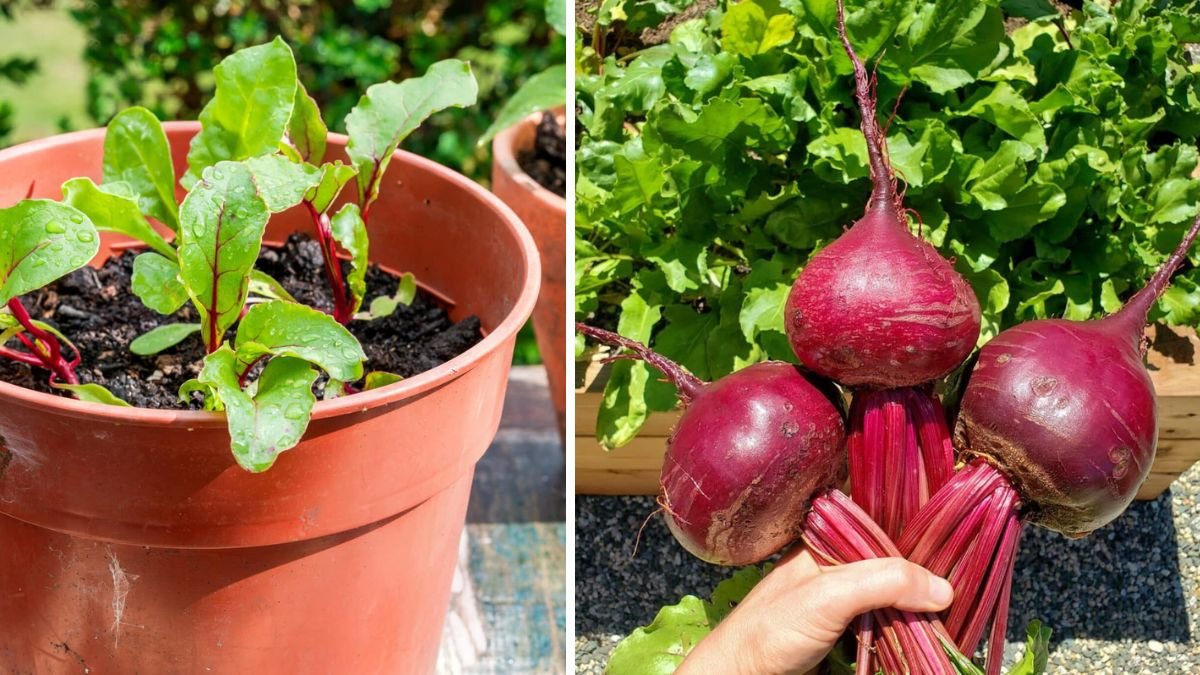
Growing cylindrical beetroot at home can be a rewarding experience for any gardening enthusiast. Known for its unique shape and vibrant color, cylindrical beetroot not only adds a distinct visual appeal to your garden but also offers a delicious and nutritious addition to your meals. This article will guide you through the essential steps needed to successfully cultivate cylindrical beetroot, ensuring a bountiful harvest while enhancing your gardening skills.
Understanding Cylindrical Beetroot
Cylindrical beetroot, also known as ‘Cylindra,’ is a variety of beet that differs from traditional round beets in shape. Its elongated, cylindrical form allows for easier slicing and preparation, making it a favorite among chefs and home cooks alike. Moreover, it is known for its sweet, earthy flavor, which intensifies when roasted.
Nutritional Benefits
Cylindrical beetroot is rich in essential nutrients, including:
- Vitamins: High in vitamin C, B vitamins, and folates.
- Minerals: Contains potassium, manganese, and iron.
- Antioxidants: Packed with betalains, which help fight inflammation and oxidative stress.
With numerous health benefits, growing cylindrical beetroot not only fosters a unique garden aesthetic but also promotes a healthier lifestyle.
Choosing the Right Environment
Soil Requirements
Cylindrical beetroot thrives in well-drained, loamy soil rich in organic matter. Here’s how to prepare the perfect soil:
- Soil Type: Aim for light, sandy loam or clay-loam that allows for adequate drainage.
- pH Level: Test the soil pH, ideally between 6.0 and 7.0. You can purchase a pH testing kit from a local gardening store.
- Organic Matter: Incorporate compost or well-rotted manure to enrich the soil with nutrients.
Sunlight and Temperature
Cylindrical beetroot requires full sun, which means at least 6-8 hours of direct sunlight each day. In terms of temperature, they prefer cooler weather, thriving in temperatures between 50°F (10°C) and 75°F (24°C).
Planting Time
The ideal time for planting cylindrical beetroot varies based on your local climate:
- Spring: Start seeds indoors 6-8 weeks before the last frost date or sow them directly in the garden once the soil has warmed.
- Fall: For a fall harvest, plant seeds 10-12 weeks before the first frost date.
Planting Cylindrical Beetroot
Once you’ve prepared the soil and chosen the right planting time, follow these steps for planting your cylindrical beetroot:
Seed Selection
Select high-quality seeds from reputable suppliers. Cylindrical beet seeds are typically sold under the name “Cylindra.”
Sowing Seeds
-
Spacing: Sow seeds about 1 inch apart in rows spaced 12-18 inches apart. This spacing allows room for the roots to develop and ensures good airflow around the plants.
-
Depth: Plant seeds about 1/2 inch deep. Cover lightly with soil and water gently to avoid displacement.
-
Thinning: Once seedlings emerge and have a few true leaves, thin them to 3-4 inches apart to prevent overcrowding.
Watering
Consistency is key when it comes to watering cylindrical beetroot. Water deeply once a week, ensuring that the soil remains moist but not waterlogged. If the weather is particularly dry, you may need to increase watering frequency.
Caring for Your Cylindrical Beetroot
Fertilization
During the growing season, cylindrical beetroot benefits from regular feeding:
- Initial Application: Use a balanced fertilizer at planting time.
- Ongoing Care: Apply a liquid fertilizer once every few weeks according to package instructions.
Pest and Disease Management
Regular monitoring is essential to protect your beetroot from pests and diseases:
-
Common Pests: Watch for aphids, beet leaf miners, and whiteflies. Introduce beneficial insects like ladybugs or use organic insecticidal soap if needed.
-
Diseases: Prevent diseases like downy mildew and root rot by ensuring good soil drainage and practicing crop rotation.
Weeding
Weeds compete for nutrients and water, so keep the area around your cylindrical beetroot free from weeds. Hand-pulling young weeds is usually the best method, particularly in the early stages of growth.
Harvesting Cylindrical Beetroot
Cylindrical beetroot is typically ready to harvest when the roots reach around 6-8 inches in length, usually around 50-70 days after planting. Here’s how to harvest effectively:
-
Timing: Harvest on a dry day when the soil is not overly wet. This prevents soil from clinging to the roots and reduces the risk of disease.
-
Method: Gently loosen the soil around the root with a fork or your hands before pulling it out to avoid damaging the plant.
-
Storage: Remove the leaves, leaving about an inch of stem attached to prevent bleeding. Store the roots in a cool, dark place or in the refrigerator for optimal freshness.
Culinary Uses for Cylindrical Beetroot
Cylindrical beetroot can be used in various culinary applications:
- Raw: Grated or sliced into salads for a crunchy texture.
- Cooked: Roasted, boiled, or steamed as a side dish. Its sweet flavor intensifies when cooked.
- Juiced: Blended into juices or smoothies for added nutrition.
- Pickled: Preserved for long-term storage and tangy flavors.
Conclusion
Growing cylindrical beetroot at home adds not only a unique vegetable to your garden but also enhances your culinary repertoire. With the right preparation, care, and attention to detail, you can enjoy a successful harvest that contributes to your health and your garden’s beauty.
FAQs About Growing Cylindrical Beetroot
1. Can cylindrical beetroot be grown in containers?
Yes, cylindrical beetroot can thrive in containers as long as they are deep enough (at least 12-18 inches) to accommodate their root structure and have adequate drainage.
2. How do I know when to harvest my cylindrical beetroot?
Harvest cylindrical beetroot when they reach about 6-8 inches in length, and the tops begin to show above the soil.
3. What are the optimal growing conditions for cylindrical beetroot?
They prefer well-draining, loamy soil with a pH between 6.0 and 7.0, full sunlight, and cooler temperatures (50°F to 75°F).
4. How can I store cylindrical beetroot after harvesting?
Remove the greens and store roots in a cool, dark place or the refrigerator to keep them fresh for several weeks.
5. Is there a difference in taste between cylindrical beetroot and traditional round beets?
While both varieties share a similar earthy sweetness, cylindrical beetROOT tends to have a more uniform texture and easier slicing, making it a preferred choice in many culinary applications.
With careful planning and dedication, you can successfully grow cylindrical beetroot and enjoy its many benefits throughout the growing season and beyond.