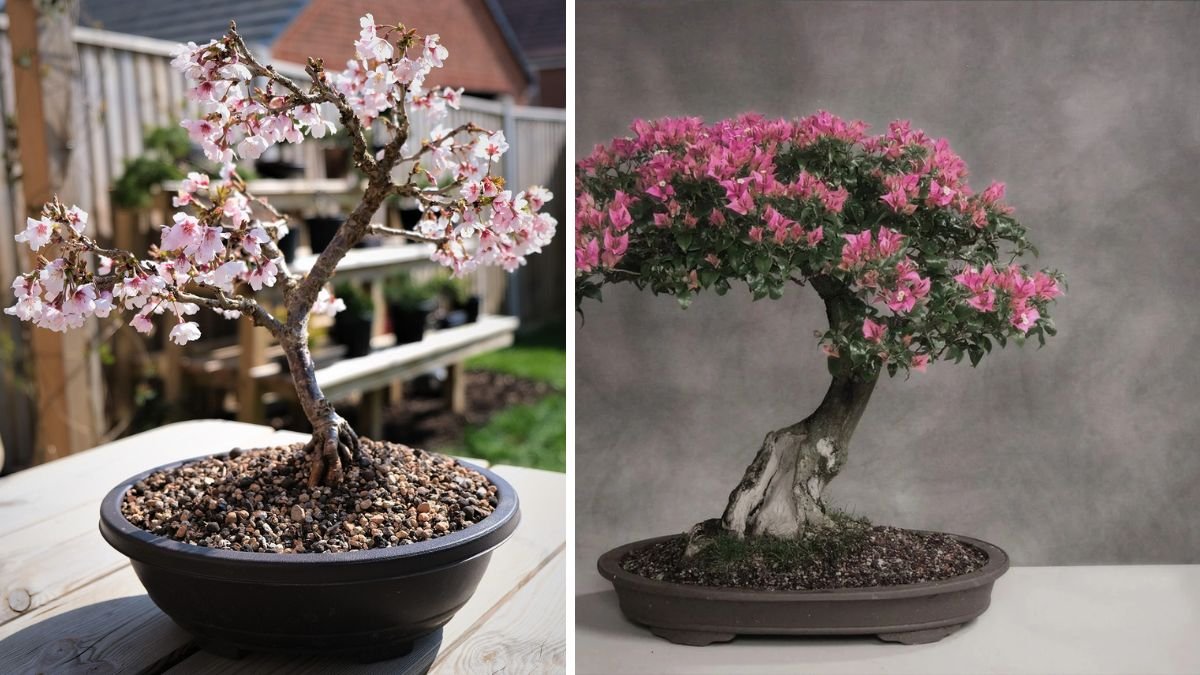
Cherry bonsai trees are not only stunning but also symbolize renewal, beauty, and the fleeting nature of life—a perfect representation of the spirit of bonsai. If you’re a beginner looking to dive into the art of bonsai, this guide will equip you with the knowledge and techniques necessary to cultivate your very own cherry bonsai.
Understanding Cherry Bonsai
What is Bonsai?
Bonsai is the practice of cultivating miniature trees in pots, simulating the mature shape and scale of trees in nature. The word “bonsai” literally means “planted in a container” in Japanese. The art combines horticultural skills with aesthetics, emphasizing the importance of balance, proportion, and a deep appreciation for nature.
Why Choose Cherry Bonsai?
Cherry trees are famous for their beautiful blossoms, showcasing delicate pink and white flowers that bloom in spring. They are relatively hardy, making them suitable for beginners. Their growth pattern and graceful structure make them a favorite for bonsai enthusiasts.
Choosing the Right Cherry Species
When selecting a cherry species for bonsai, consider the following:
- Prunus serrulata (Japanese Cherry): Known for its stunning flowers and excellent qualities for bonsai.
- Prunus ume (Japanese Apricot): Grows beautiful blossoms with a delightful fragrance.
- Prunus avium (Sweet Cherry): Offers sweet cherries in addition to its bonsai qualities.
Factors to Consider
- Climate: Ensure the species you choose can thrive in your local climate.
- Size: Some species remain smaller than others, making them ideal for bonsai.
- Growth Rate: Faster-growing species may require more frequent pruning.
Essential Supplies for Cherry Bonsai
Before getting started, gather the following supplies:
- Pot: Choose a bonsai pot with drainage holes to prevent waterlogging.
- Soil: Use a well-draining bonsai soil mix, typically comprising akadama, pumice, and lava rock.
- Tools: Essential tools include bonsai shears, wire cutters, and bonsai wire for shaping branches.
- Fertilizer: A balanced fertilizer to promote healthy growth.
Basic Growing Techniques
1. Planting Your Cherry Bonsai
Once you’ve gathered your supplies, it’s time to plant your bonsai. Follow these steps:
- Prepare the Pot: Place a mesh screen over the drainage hole to prevent soil loss.
- Add Soil: Fill the pot with your chosen bonsai soil, leaving enough space for your tree’s roots.
- Position the Tree: Remove the tree from its nursery pot and gently untangle the roots. Place it in the center of your new pot, adjusting the soil as needed.
- Water: Water the tree thoroughly until water drains out of the pot’s bottom.
2. Pruning Techniques
Pruning is essential to maintain the shape and health of your cherry bonsai.
- Initial Pruning: After planting, prune any excessively long branches to promote new growth. Focus on creating a balanced form.
- Maintenance Pruning: Regularly prune during the growing season to maintain shape. Remove unwanted shoots and branches that disrupt the tree’s silhouette.
3. Wiring
Wiring helps shape the branches and gives the bonsai an aesthetically pleasing appearance.
- Select Wire: Choose aluminum or copper wire that is 1/3 the diameter of the branch you wish to wire.
- Wrap Carefully: Begin from the trunk, wrapping the wire delicately around the branch. Avoid cutting into the bark.
- Shape the Branches: Bend the branches gently to the desired position. Monitor regularly to prevent the wire from biting into the bark.
4. Watering
Cherry bonsai need proper watering to thrive.
- Frequency: Water when the top inch of soil feels dry. This can vary based on season and climate.
- Method: Water until it drains out of the bottom to ensure complete saturation.
5. Fertilizing
Fertilize your cherry bonsai during the growing season for optimal health.
- Frequency: Apply fertilizer every four to six weeks from spring to fall.
- Type: Use a balanced fertilizer with equal parts nitrogen, phosphorus, and potassium.
Environmental Conditions
Understanding your cherry bonsai’s environmental requirements will significantly affect its growth and health.
Light
Cherry bonsai thrive in bright, indirect sunlight. Place them in a location where they can receive 4-6 hours of light daily. During hotter months, some afternoon shade can help protect them from scorching.
Temperature
Most cherry bonsai prefer temperatures between 60°F to 75°F (15°C to 24°C). If you live in regions where winters get cold, consider moving the bonsai indoors or providing additional protection.
Humidity
Cherry bonsai appreciate higher humidity levels. To increase humidity:
- Mist the Leaves: Use a spray bottle to mist the leaves regularly.
- Humidity Tray: Place the pot on a tray filled with pebbles and water to boost humidity around the tree.
Common Pests and Diseases
Pests
Keep an eye out for common pests such as aphids, spider mites, and scale insects. Regularly inspect your tree and use insecticidal soap or neem oil if you notice an infestation.
Diseases
Root rot can occur due to overwatering. Ensure proper drainage and avoid leaving the pot submerged in water to prevent this issue.
Seasonal Care
Spring
- Start fertilizing.
- Prune for new growth and shape.
- Ensure adequate water as temperatures rise.
Summer
- Maintain watering and humidity.
- Monitor for pests and diseases.
Fall
- Reduce watering frequency as growth slows.
- Begin preparing the bonsai for winter.
Winter
- Protect from frost by bringing indoors or providing insulation.
- Avoid fertilizing during dormancy.
Advanced Techniques
Once you’ve mastered the basics, you can explore advanced techniques like:
- Grafting: Combining different species onto a single rootstock for variety.
- Air Layering: Propagating new plants while retaining them on the parent tree.
Conclusion
Growing cherry bonsai is a fulfilling journey that combines patience and creativity. With the right techniques and care, your cherry bonsai will flourish, providing joy and beauty in your space. Remember, each tree is unique, and your experiences will shape your proficiency in this exquisite art.
FAQs
1. How often should I water my cherry bonsai?
Water your cherry bonsai when the top inch of soil feels dry. This varies based on environmental conditions but typically ranges from every few days to once a week.
2. When is the best time to prune my cherry bonsai?
Pruning is best done in late winter or early spring before new growth begins. You can also do maintenance pruning throughout the growing season.
3. What type of fertilizer should I use?
Use a balanced fertilizer with equal parts nitrogen, phosphorus, and potassium. Fertilize every four to six weeks during the growing season.
4. Can I keep my cherry bonsai indoors?
While some cherry bonsai can tolerate indoor conditions, they thrive best outdoors. If you must keep them indoors, ensure they get enough sunlight and humidity.
5. What pests should I watch out for?
Common pests include aphids, spider mites, and scale insects. Regularly inspect your tree and take immediate action if you notice any signs of infestation.
6. How can I shape my bonsai?
You can shape your bonsai through pruning and wiring. Pruning helps maintain size and direction, while wiring allows you to bend and position branches creatively.
As you embark on this visual and emotive journey with your cherry bonsai, remember to be patient, observe, and adapt your care techniques. Happy bonsai growing!