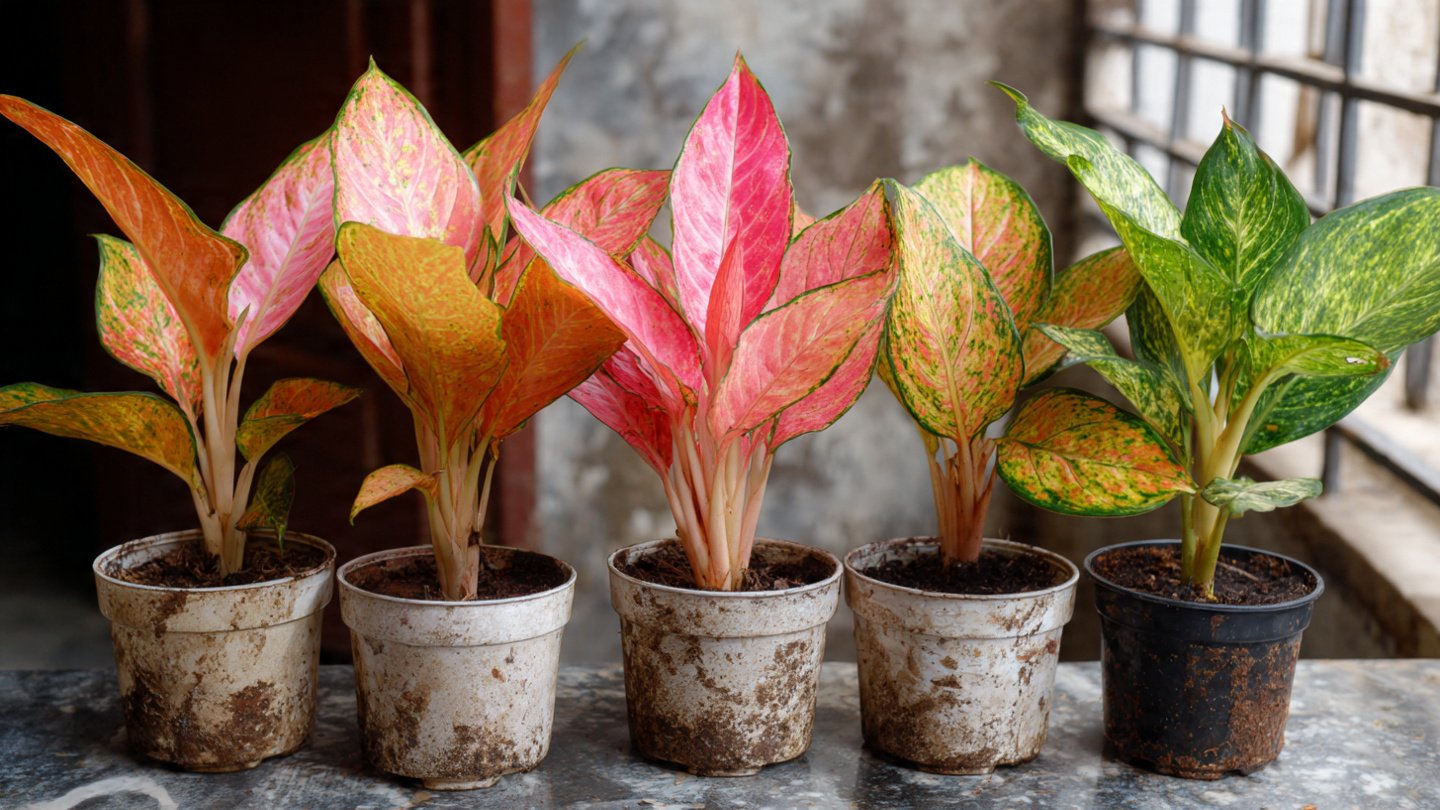
Introduction to Red Aglaonema Color Blocks
Red Aglaonema, commonly known as Chinese Evergreens, are prized for their striking foliage and adaptability to indoor environments. The “Color Blocks” variety showcases vibrant red and green leaf patterns, adding a unique visual appeal to any indoor garden. In this guide, we will delve into the essentials of cultivating Red Aglaonema Color Blocks, discussing their care requirements, propagation techniques, and common issues, along with tips for creating the perfect indoor ambiance.
Understanding Aglaonema
Aglaonema belongs to the Araceae family and is native to tropical and subtropical regions of Asia. These plants are known for their ability to thrive in low light conditions, making them perfect for indoor settings. The Color Blocks variety is particularly loved for its colorful, variegated leaves that can brighten up any space.
Characteristics of Red Aglaonema Color Blocks
- Foliage: Dark green leaves with bold red, pink, or maroon patches.
- Height: Typically grows between 12 to 36 inches, depending on the specific cultivar and conditions.
- Growth Habit: Upright, bushy growth, which makes them suitable for corners, tabletops, and shelves.
Growing Conditions
Creating the ideal environment for Red Aglaonema is crucial for their health and vibrancy.
1. Light Requirements
Red Aglaonema prefers bright, indirect sunlight. Although they can tolerate low light situations, insufficient light may lead to loss of color intensity and slower growth.
- Best Practices:
- Place the plant near a window with filtered light.
- Avoid direct sunlight, as it can scorch the leaves.
2. Temperature and Humidity
These plants thrive in temperatures ranging from 65°F to 80°F (18°C to 27°C). They can tolerate temperatures as low as 60°F (15°C) but should be protected from drafts and sudden temperature changes.
-
Humidity: Red Aglaonema enjoys higher humidity levels (around 50% or higher). When humidity is low, you may notice browning leaf edges.
-
Best Practices:
- Use a humidifier or place a pebble tray filled with water beneath the plant to increase humidity levels.
- Group plants together to create a humid microenvironment.
3. Soil Requirements
A well-draining potting mix is essential for your Red Aglaonema. A mix designed for aroids or a general-purpose indoor potting mix with added perlite or orchid bark will work well.
- pH Level: Aim for a soil pH between 6.0 and 6.5, which is slightly acidic.
4. Potting and Repotting
Red Aglaonema grows relatively slowly, so they don’t require frequent repotting. However, every 2-3 years or when the roots outgrow the pot, it’s time to repot.
- Best Practices:
- Select a pot that is 1-2 inches larger in diameter than the current one.
- Ensure that the new pot has drainage holes to prevent root rot.
Watering Practices
Watering is a critical aspect of caring for your Red Aglaonema Color Blocks.
-
Watering Schedule: Check the top inch of soil. If it feels dry, it’s time to water. Generally, this translates to watering every 7-10 days, but this can vary based on climate and indoor conditions.
-
Best Practices:
- Water thoroughly, allowing excess water to drain from the bottom.
- Use room temperature water to prevent shocking the roots.
Fertilizing Your Red Aglaonema
Regular fertilization is key to promoting healthy growth and vibrant color.
-
Type of Fertilizer: Use a balanced liquid fertilizer or a slow-release granular formula. A balanced NPK (Nitrogen-Phosphorus-Potassium) fertilizer with a ratio like 20-20-20 works well.
-
Fertilizing Schedule: Fertilize every 4-6 weeks during the growing season (spring and summer) and reduce or stop in fall and winter when the plant is dormant.
Propagating Red Aglaonema
Propagating Aglaonema can be done in a few different methods, with the most common being division and stem cuttings.
1. Division
This method is best when repotting your plant.
- Steps:
- Remove the plant from its pot.
- Gently separate the root ball into smaller sections, ensuring each section has at least a few leaves and roots.
- Plant each division in separate pots with fresh potting mix.
2. Stem Cuttings
This method allows you to propagate a new plant from a healthy stem.
- Steps:
- Select a healthy stem with leaves.
- Cut the stem below a leaf node using sterilized scissors.
- Place the cutting in a glass of water, ensuring the leaf nodes are submerged.
- Once roots develop (after a few weeks), transplant the cutting into soil.
Common Problems and Solutions
While Red Aglaonema is generally low-maintenance, they can face some issues.
1. Leaf Yellowing
Causes: Overwatering or poor light conditions.
Solutions: Adjust your watering schedule and ensure the plant is receiving adequate light.
2. Brown Leaf Tips
Causes: Low humidity or underwatering.
Solutions: Increase humidity levels and ensure regular watering.
3. Pest Infestations
Common pests include spider mites and mealybugs.
Solutions: Use insecticidal soap or neem oil to treat infected areas, wiping leaves with a damp cloth to remove pests.
Creating the Perfect Indoor Ambiance
To optimize the visual charm of your Red Aglaonema, consider the following tips:
-
Choose Elegant Pots: Select pots that complement your decor while providing good drainage.
-
Placement: Position your Aglaonema as a standalone feature or group them with other tropical plants for a lush look.
-
Layering: Play with heights by placing shorter plants in front and taller plants in back, creating a three-dimensional effect.
Conclusion
Cultivating Red Aglaonema Color Blocks in your indoor garden can be immensely rewarding. With their stunning foliage and low maintenance requirements, they offer beauty and breathability to your space. By following the care tips outlined in this guide, you can enjoy a thriving indoor garden filled with color and life.
FAQs
1. How often should I water Red Aglaonema?
- Water when the top inch of soil feels dry, generally every 7-10 days.
2. Does Red Aglaonema need direct sunlight?
- No, they prefer bright, indirect light. Direct sunlight can scorch the leaves.
3. Can I keep my Red Aglaonema in a bathroom?
- Yes, as long as there’s sufficient light, high humidity can actually benefit them.
4. What should I do if my Red Aglaonema is not growing?
- Check light conditions, watering habits, and consider applying fertilizer if necessary.
5. Are Red Aglaonema petsafe?
- No, Red Aglaonema is toxic to pets if ingested, so keep them out of reach of animals.
By understanding the essential care and propagation needs of Red Aglaonema Color Blocks, you can create a vibrant indoor garden that not only enhances your space but also contributes to your overall well-being. Happy gardening!