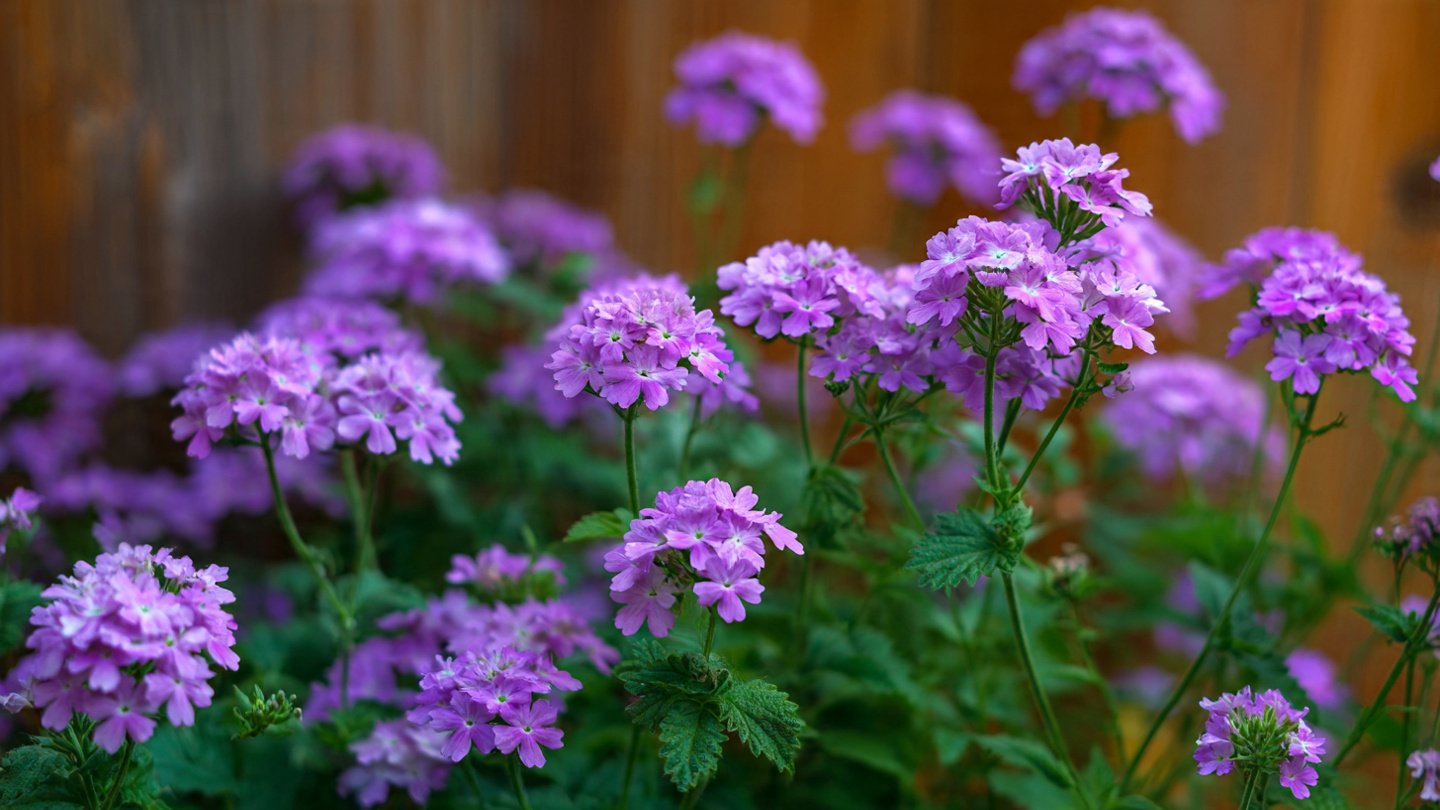
Verbena, known for its vibrant colors and delightful fragrance, is a popular choice among gardeners. This hardy perennial offers a plethora of flowers throughout the growing season, making it a favorite for both ornamental and functional gardens. In this guide, we’ll take you through the entire process of growing verbena from seed, ensuring that your home garden flourishes with these beautiful plants.
Understanding Verbena
Types of Verbena
-
Annual Verbenas: These are typically grown as annuals in many regions and are often used for decorative purposes. They produce a large number of flowers and are available in various colors.
-
Perennial Verbenas: These can survive winter in USDA zones as low as 7, offering a longer lifecycle and multiple blooming seasons.
-
Trailing Verbenas: Known for their ability to spread and cascade, trailing varieties are ideal for hanging baskets and ground cover.
Ideal Growing Conditions
Verbena thrives in full sunlight, making it essential to choose a location in your garden that receives at least 6-8 hours of direct sunlight daily. They prefer well-draining soil rich in organic matter, slightly acidic to neutral in pH (6.0 to 7.0).
Preparing to Grow Verbena from Seed
Selecting Seeds
When choosing verbena seeds, you have several options. You can purchase seeds from local garden centers or online suppliers. Ensure you select varieties that are suited for your climate and soil conditions. Popular options include:
- Verbena bonariensis: Tall and elegant, great for attracting pollinators.
- Verbena hybrida: Known for its diverse colors and bushy habit.
Tools and Materials
When preparing to sow verbena seeds, you’ll need:
- Seed trays or pots
- Seed-starting mix
- Watering can or spray bottle
- Clear plastic cover or plastic wrap
- Labels for identification
Sowing Verbena Seeds
Timing
The best time to sow verbena seeds is about 8-10 weeks before the last expected frost date in your area. This ensures that your seedlings are ready to transplant outdoors when conditions are favorable.
The Sowing Process
-
Prepare the Seed Trays: Fill your trays with seed-starting mix. Moisten the mix slightly before sowing, ensuring it’s damp but not soggy.
-
Sow the Seeds: Sprinkle the seeds evenly across the surface of the mix. Verbena seeds are small, so a light hand is necessary. Cover them lightly with soil, about 1/8 inch deep.
-
Water the Seeds: Use a spray bottle to gently mist the soil, ensuring that it’s evenly moist. Avoid soaking as this can displace the seeds.
-
Create a Greenhouse Effect: Cover the tray with a clear plastic cover or plastic wrap to maintain humidity. This acts like a mini-greenhouse and encourages germination.
Germination Conditions
Place the trays in a warm location (around 70°F to 75°F). Germination typically occurs within 7-21 days. After the seeds have germinated and seedlings pop up, remove the cover to allow for air circulation.
Caring for Verbena Seedlings
Thinning Seedlings
Once the seedlings have developed two sets of true leaves, it’s time to thin them out. This means removing the weaker seedlings to allow the stronger ones space to grow. Aim to keep one seedling per pot or every few inches in larger trays.
Watering and Feeding
Keep the soil consistently moist but not waterlogged. As they grow, introduce a diluted liquid fertilizer (one-quarter strength) every couple of weeks to promote healthy growth.
Hardening Off
About 2-3 weeks before transplanting outdoors, gradually acclimate your seedlings to outdoor conditions. Start by placing them outside for a few hours a day, gradually increasing the time and exposure to sunlight.
Transplanting Verbena to the Garden
When to Transplant
Once the danger of frost has passed and your plants are well-acclimated, it’s time to transplant them into your garden.
Choosing a Planting Site
Select a sunny spot in your garden with well-draining soil. If your soil is heavy clay, consider mixing in compost to improve drainage.
Transplanting Process
-
Dig Holes: Prepare holes that are slightly larger than the root balls of your seedlings.
-
Planting: Remove the seedlings from their trays, taking care not to damage the roots. Place them in the holes and fill around them, gently firming the soil.
-
Watering: After transplanting, water the new plants thoroughly to help them settle in.
Ongoing Care and Maintenance
Watering
Verbena is drought-tolerant once established, but regular watering is crucial during their first few weeks in the garden. Once established, reduce watering frequency to promote deeper root growth.
Fertilizing
Though verbena doesn’t require heavy feeding, applying a balanced fertilizer in the spring can encourage vigorous growth and blooming. Use a slow-release formula to provide nutrients throughout the growing season.
Pruning and Deadheading
To encourage a bushier growth habit and more blooms, pinch back the tips of the plants. Additionally, deadheading spent flowers will prevent seed formation and promote continuous blooming.
Pest and Disease Management
Verbena is generally resistant to pests but can be affected by aphids, spider mites, and mildew. Regularly check your plants for these issues and address any problems promptly using insecticidal soap or organic treatments when necessary.
Harvesting Verbena Seeds
If you wish to collect seeds for future planting, allow some flowers to go to seed. Once the seed heads dry, remove them and store them in a cool, dry place until you’re ready to plant again.
Conclusion
Growing verbena from seed can be a rewarding experience, bringing color and life to your garden. By following the steps outlined in this guide, you can create a thriving habitat for these beautiful plants. Remember, patience and care are key; with time, your home garden will flourish with vibrant verbena blooms.
FAQs
1. How long does it take for verbena seeds to germinate?
Verbena seeds typically germinate within 7 to 21 days, depending on temperature and moisture conditions.
2. Can verbena grow in partial shade?
While some varieties can tolerate partial shade, verbena thrives best in full sunlight with at least 6-8 hours of direct sun each day.
3. How often should I water verbena?
Young plants need regular watering, but once established, verbena is drought-tolerant and requires less frequent watering. Water deeply but not too often.
4. Should I deadhead verbena?
Yes, deadheading spent blooms encourages further flowering and can improve the appearance of the plant.
5. What are common pests of verbena?
Common pests include aphids and spider mites. Regular inspection and prompt action can help control these pests.
6. Can verbena survive winter?
Annual verbenas will not survive winter in colder climates, but perennial varieties can survive in USDA zones 7 and above.
7. How can I encourage bushy growth in verbena?
Pinching back the tips of the stems will encourage bushier growth and more blooming throughout the season.
Whether you’re a seasoned gardener or a beginner, growing verbena from seed is an enjoyable and fulfilling process. With its bright colors and variety of forms, verbena can add vibrancy and charm to any garden. Happy gardening!