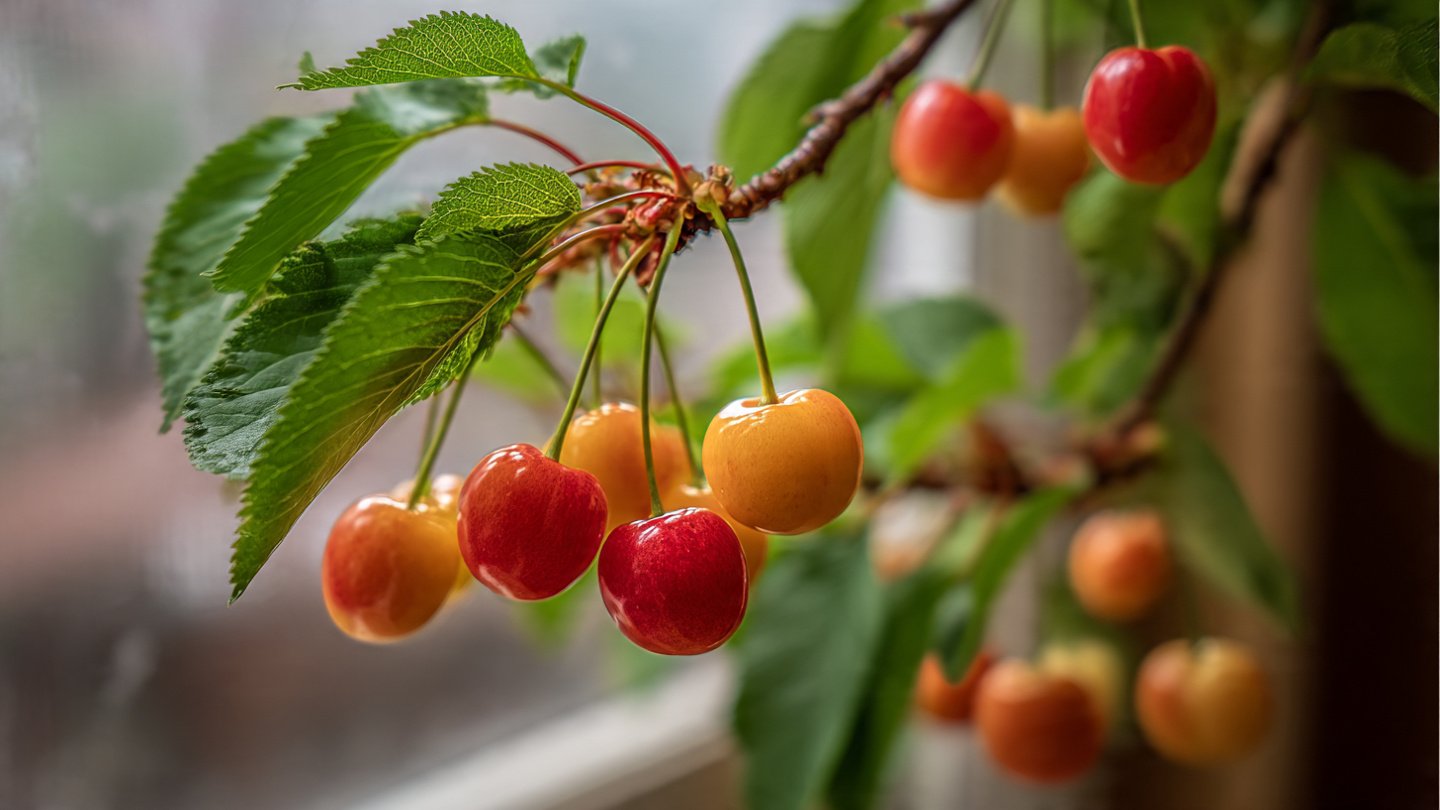
Growing Rainier cherries at home can be a rewarding experience for both seasoned gardeners and beginners. This guide will walk you through everything you need to know to cultivate these sweet, delicious fruits, from selecting the right trees to harvesting and maintaining your crop.
Understanding Rainier Cherries
Rainier cherries, named after Mount Rainier in Washington, are a hybrid variety of sweet cherries. This type boasts a unique yellow and red coloration and is celebrated for its exceptionally sweet flavor. They require a bit of care and attention but can yield an abundant harvest when grown properly.
Benefits of Growing Rainier Cherries
- Delicious Taste: Rainier cherries are known for their sweet flavor, making them a favorite for many.
- Visual Appeal: The striking color contrast of yellow and red adds beauty to any garden.
- Health Benefits: Cherries are rich in antioxidants, vitamins, and minerals.
- Homegrown Freshness: Nothing beats the taste of fruit picked fresh from your garden.
Key Considerations Before Planting
Climate Needs
Rainier cherries thrive in climates that have distinct seasons, including warm summers and cold winters. They are best suited for USDA zones 5 through 8. If you live in a warmer climate, you may need to find a rootstock that can tolerate higher temperatures.
Soil Requirements
Good drainage is essential for Rainier cherry trees. They prefer slightly acidic to neutral soil with a pH between 6.0 and 7.0. Heavy clay soils can present challenges, so consider mixing in sand or compost for improved drainage.
Space Requirements
These trees can grow quite large, so plan for spacing. Ideally, a mature Rainier cherry tree spreads out to about 20-30 feet. If you’re planting multiple trees, ensure they’re spaced at least 20 feet apart to accommodate their growth.
Planting Rainier Cherries
Choosing the Right Tree
You can either purchase a young tree from a nursery or start from seeds. However, starting from seeds can be a lengthy process, often taking several years to produce fruit. Young trees are typically grafted onto rootstock for better yield and disease resistance.
When to Plant
The best time to plant your Rainier cherry tree is in the spring, after the last frost date. This gives the tree a full growing season to establish roots before winter.
Steps for Planting
- Prepare the Site: Choose a sunny location and remove any weeds or grass.
- Dig a Hole: The hole should be twice as wide and just as deep as the tree’s root ball.
- Soil Amendments: Mix compost or well-rotted manure into the removed soil to improve fertility.
- Tree Placement: Place the tree in the hole, ensuring that the graft line (where the tree was grafted onto the rootstock) is above soil level.
- Backfill and Water: Fill the hole with soil, tamping it down gently. Water generously to eliminate air pockets.
Care and Maintenance
Watering
Newly planted Rainier cherries need consistent moisture. Water deeply once a week during the growing season, tapering off as the tree becomes established. Mature trees require less frequent watering, particularly in the fall.
Fertilization
Apply a balanced fertilizer in early spring as the buds begin to swell. Be cautious not to over-fertilize, as this can lead to excessive leaf growth at the expense of fruit production.
Pruning
Pruning is essential to maintaining the tree’s health and shape. The ideal time for pruning is late winter or early spring, before new growth begins.
- Remove Dead or Diseased Wood: Start by cutting away any dead or diseased branches to promote healthy growth.
- Shape the Tree: Aim for an open center that allows sunlight to reach all branches. This enhances air circulation and light penetration.
Pest and Disease Management
Be on the lookout for common pests such as aphids, cherry fruit flies, and spider mites. Regularly inspect your trees for signs of infestation.
Use organic pesticides, like neem oil, when necessary. Additionally, ensure your tree has good air circulation to minimize the risk of fungal diseases.
Pollination Needs
Rainier cherries are not self-pollinating, so you will need at least one other cherry variety to ensure fruit production. Good companion varieties include Bing or Lapin cherries.
Thinning Fruit
Once the trees begin to bear fruit, it may be necessary to thin the cherries to ensure larger fruit size and better overall quality. Aim for a spacing of about 6 inches between cherries.
Harvesting Rainier Cherries
The best time to harvest Rainier cherries is in mid to late summer, typically from June to August, depending on your climate.
- Color: Look for cherries that are fully colored, exhibiting their characteristic yellow and red hues.
- Firmness: The fruit should feel firm to the touch but give slightly when pressed.
- Stem: Use pruning shears to cut the cherries from the stem to avoid damaging the tree.
Storing Rainier Cherries
After harvesting, store your cherries in the refrigerator in a breathable container. They can keep fresh for about a week. For longer storage, consider freezing or canning them.
Freezing Cherries
- Wash and dry the cherries thoroughly.
- Spread them out on a baking sheet and freeze until solid.
- Transfer the frozen cherries to airtight bags or containers for long-term storage.
Troubleshooting Common Problems
- Poor Fruit Set: Ensure proper pollination by planting compatible cherry varieties.
- Bitter Fruits: This may indicate insufficient watering or nutrient deficiency. Regularly check soil moisture and fertilization needs.
- Disease Issues: Brown rot or powdery mildew can affect cherry trees. Maintain good air circulation and avoid overhead watering.
FAQs
1. How long does it take for Rainier cherries to produce fruit?
Rainier cherry trees typically start producing fruit in about 3 to 5 years after planting.
2. Can I grow Rainier cherries in containers?
While it’s possible to grow cherry trees in containers, it’s recommended to choose dwarf varieties for successful growth. Container-grown trees will require more attention to watering and nutrients.
3. Why are my cherries not ripe?
Cherries require sufficient sunlight, warmth, and time to ripen. If your tree is young, it may take additional time to develop fruit.
4. Can I eat Rainier cherries raw?
Absolutely! Rainier cherries are delicious eaten fresh, but they can also be used in desserts, jellies, and salads.
5. Do I need to cover my tree during the winter?
In colder climates, young cherry trees may benefit from protection, such as burlap wrapping, to prevent frost damage. Mature trees are generally hardier.
6. How far apart should I plant my Rainier cherry trees?
Plant Rainier cherries at least 20 feet apart to provide adequate space for growth.
7. Do Rainier cherry trees need full sun?
Yes, Rainier cherries thrive in full sun, requiring at least 6 hours of direct sunlight each day for optimal growth and fruiting.
Conclusion
Growing Rainier cherries at home can be an immensely gratifying endeavor. With the right conditions, care, and maintenance, your garden can yield these sweet delights year after year. Follow the steps outlined in this guide, and you’ll be well on your way to enjoying fresh cherries straight from your backyard. Happy gardening!