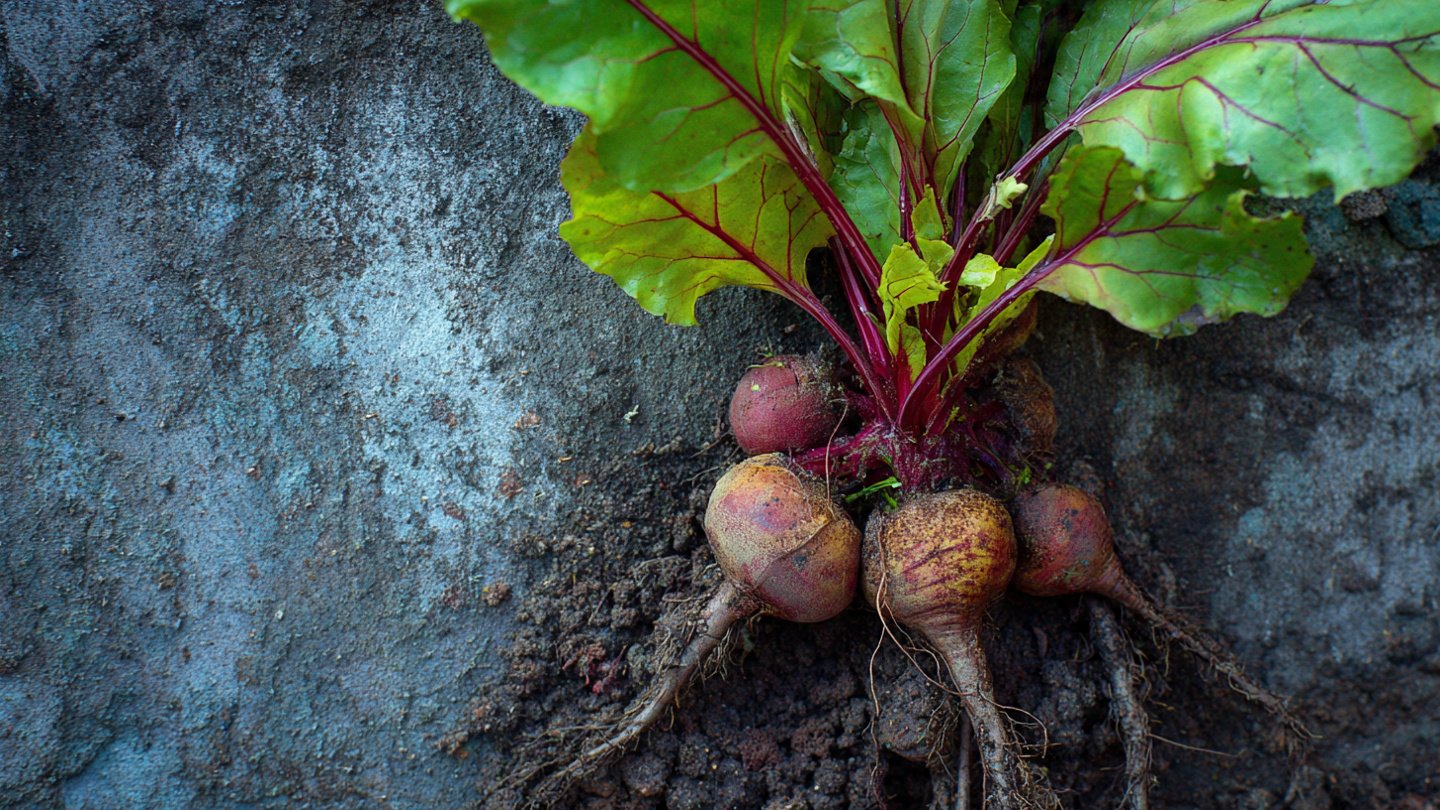
Mustard greens are a leafy green vegetable known for their spicy flavor and extensive health benefits. Not only do they enrich your diet, but they also offer a unique growing experience for gardeners. However, one common challenge in cultivating mustard greens is preventing them from flowering, also known as “bolting.” In this comprehensive guide, we will explore the optimal conditions for growing mustard greens, tips to avoid flowering, and general care practices to ensure a successful harvest.
Understanding Mustard Greens
Before diving into cultivation techniques, it’s essential to understand what mustard greens are. These leafy greens, which belong to the Brassica family—alongside kale, broccoli, and cabbage—are known for their high nutritional value. They are rich in vitamins A, C, and K, as well as minerals like calcium and iron. The leaves come in various shapes, colors, and textures, ranging from smooth to deeply lobed.
Popular Varieties of Mustard Greens
- Southern Mustard: Has broad leaves and is commonly used in southern cuisine.
- Japanese Mustard (Mizuna): Features feathery leaves and a milder taste, often used in salads.
- Spinach Mustard: A hybrid that combines the qualities of mustard greens and spinach, offering a unique flavor profile.
Ideal Growing Conditions
Climate
Mustard greens thrive in temperate climates, flourishing in cool weather. Ideally, they prefer temperatures between 50°F and 70°F (10°C – 21°C). In hot weather, mustard plants may bolt, leading to a bitter taste and flowering.
Soil
Healthy soil is crucial for successful mustard green cultivation. Here are the key soil requirements:
- Type: Well-draining loamy soil is the best choice, though mustard greens can tolerate a range of soil types.
- pH: Aim for a slightly acidic to neutral pH range of 6.0 to 7.0.
- Nutrients: Enrich the soil with organic matter like compost or well-rotted manure to boost fertility.
Sunlight
Mustard greens require full sun for optimal growth. A minimum of 6 hours of sunlight daily is recommended, although partial shade during the hottest parts of the day can help prevent bolting.
Sowing Mustard Greens
Seed Selection
Choose high-quality seeds that are best suited for your climate. Buy from reputable seed companies and consider heirloom varieties for unique flavors and resilience.
Planting Timeline
- Spring Planting: Sow seeds indoors 4-6 weeks before the last expected frost or outdoors as soon as the soil can be worked.
- Fall Planting: Sow seeds 6-8 weeks before the first expected frost. This timeline ensures a continuous supply throughout the growing season.
Sowing Techniques
- Direct Sowing: Plant seeds directly in the garden by creating shallow furrows, placing seeds 1/4 inch deep and 1-2 inches apart.
- Transplanting: If starting seeds indoors, transplant seedlings to the garden when they are 3-4 inches tall.
Watering
Consistent moisture is vital for mustard greens. Here are some watering tips:
- Water deeply once a week, adjusting as necessary during dry spells.
- Avoid overhead watering, which promotes disease and can damage leaves.
- Mulch around the plants to help retain soil moisture and suppress weeds.
Fertilizing
Mustard greens benefit from regular fertilization. A few essential points include:
- Timing: Fertilize at planting time and again 4 weeks later.
- Type: Use a balanced fertilizer (like 10-10-10) or organic options like compost tea or fish emulsion.
- Application: Follow the manufacturer’s instructions for proper application rates.
Preventing Flowering and Bolting
A significant concern for gardeners growing mustard greens is bolting. Here are strategies to prevent this issue:
Temperature Control
- Timing: Schedule planting during cooler months. Avoid mid-summer planting in warmer regions, as the heat triggers bolting.
- Heat Stress: Provide shade during extremely hot days with row covers or shade cloth to buffer against rising temperatures.
Water Consistency
Maintain even soil moisture to prevent stress that might lead to bolting. A well-hydrated plant is less likely to flower prematurely.
Regular Harvesting
Regularly harvesting leaves encourages continuous growth. This practice keeps the plant in a vegetative state and minimizes bolting potential.
Plant Spacing
Properly spacing plants not only improves air circulation but also allows for better growth. Ideally, space mustard greens 6-12 inches apart, giving them room to thrive.
Selecting Bolt-Resistant Varieties
Some varieties are more resistant to bolting. Research and select these varieties for your garden, particularly if you’re in a warmer climate.
Pest and Disease Management
Common Pests
- Aphids: Small, green insects that can sap plant vitality. Treat with insecticidal soap or neem oil.
- Cabbage Worms: These caterpillars chew leaves, requiring handpicking or BT (Bacillus thuringiensis) for control.
- Flea Beetles: Tiny beetles that cause small holes in leaves. Use row covers to protect young plants.
Diseases
- Downy Mildew: Fungal disease that thrives in moist conditions. Ensure good airflow and avoid overhead watering to prevent outbreaks.
- Fusarium Wilt: A soil-borne fungus causing wilting. Rotate crops regularly to disrupt its life cycle.
Harvesting Mustard Greens
Timing for Harvest
Mustard greens are typically ready to harvest in 30 to 60 days after planting, depending on the variety. Leaves should be young and tender, generally 4-6 inches long.
Harvesting Technique
- Leaf Harvesting: Use scissors or a sharp knife to harvest outer leaves, allowing the inner leaves to continue growing.
- Whole Plant Harvest: For a more substantial harvest, you can cut the entire plant just above the soil line. It may regrow, providing additional yields.
Storing Mustard Greens
Freshly harvested mustard greens can be stored for several days if handled correctly:
- Storage Method: Place greens in a plastic bag within the refrigerator to retain moisture.
- Washing: Wash leaves shortly before use to avoid excess moisture leading to spoilage.
Conclusion
Cultivating mustard greens can be a rewarding experience, providing a delicious and nutritious addition to your meals. By ensuring proper conditions for growth, preventing bolting through careful management, and maintaining a vigilant eye for pests and diseases, you can successfully grow healthy mustard greens in your garden.
FAQs
1. What causes mustard greens to flower?
Mustard greens typically flower due to stress from heat, drought, or overcrowding. Flowering, or bolting, occurs when the plant shifts its energy from leaf growth to reproduction.
2. Can I grow mustard greens in containers?
Yes! Mustard greens can thrive in containers as long as they are deep enough (at least 12 inches). Ensure the container has drainage holes for excess water.
3. How often should I fertilize mustard greens?
Fertilize mustard greens at planting and again 4 weeks later. Use a balanced fertilizer or organic options based on soil fertility.
4. Are mustard greens affected by pests?
Yes, common pests like aphids and cabbage worms can affect mustard greens. Regular monitoring and organic pest controls can help manage these issues.
5. How can I ensure a continuous harvest of mustard greens?
To maintain a steady supply, practice succession planting by sowing new seeds every few weeks throughout the growing season.
With the right approach, growing mustard greens can be a satisfying addition to your gardening endeavors, providing a delicious and nutritious crop without the worry of flowering. Happy gardening!