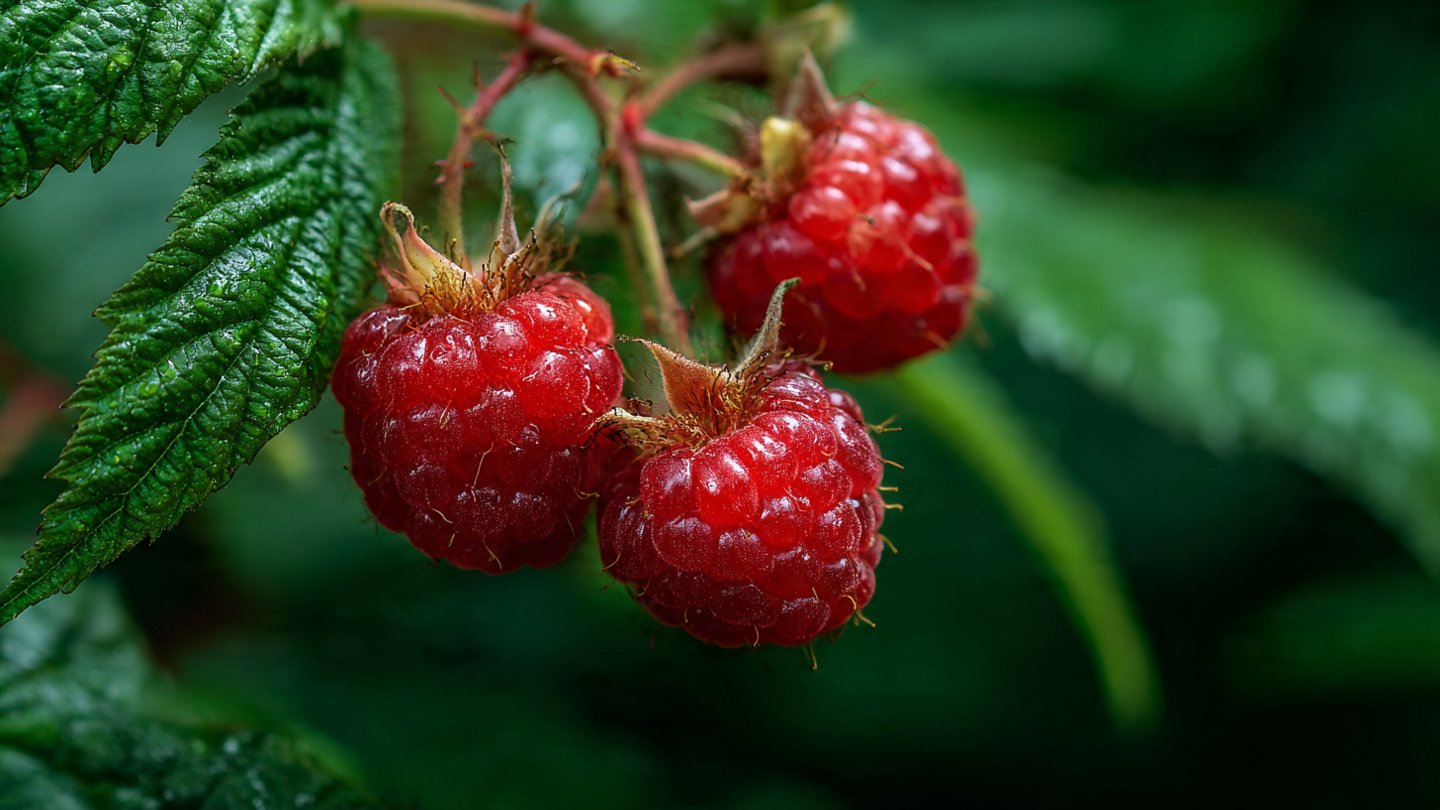
Growing raspberries can be a rewarding experience, especially for gardening enthusiasts who appreciate this sweet and versatile fruit. However, cultivating raspberries in regions with short summer climates presents unique challenges. In this guide, we will discuss the best practices for successfully growing raspberries in such conditions, including variety selection, planting techniques, care and maintenance, and harvesting tips. Additionally, a FAQ section will address common concerns and queries that may arise during the process.
1. Understanding Raspberry Varieties
1.1 Types of Raspberries
Raspberries are primarily categorized into two groups:
- Summer-bearing: These varieties produce one crop in late spring to early summer. Examples include ‘Heritage’ and ‘Latham’.
- Fall-bearing (everbearing): These produce two crops, one in early summer and another in late summer to fall. Notable varieties include ‘Caroline’ and ‘Autumn Bliss’.
For short summer climates, fall-bearing varieties tend to be more successful. They ripen later in the growing season, allowing them more time to mature before the frost sets in.
1.2 Recommended Varieties for Short Summers
When considering varieties for short summer climates, the following options may yield better results:
- ‘Autumn Bliss’: This cultivar is reputed for its hardiness and early fall production.
- ‘Caroline’: Another strong contender for cooler climates, it bears fruit in late summer into fall.
- ‘Anne’: A yellow raspberry variety that can adapt well to cooler temperatures.
2. Preparing the Planting Site
2.1 Location
Choose a location that receives at least 6-8 hours of sunlight daily. Raspberries thrive in full sun, and adequate light is crucial for fruit development.
2.2 Soil Conditions
Raspberries prefer well-drained, loamy soil with a pH between 5.5 and 6.5. You can conduct a soil test to determine pH and nutrient levels. To amend your soil:
- Organic matter: Incorporate compost or aged manure to enhance soil structure and fertility.
- Drainage: Ensure the site has good drainage. If your soil is heavy-clay, consider raised beds to improve drainage.
2.3 Site Preparation
Clear the area of weeds, rocks, and debris before planting. Loosen the soil to a depth of at least 12 inches, and mix in organic matter to enhance future growth.
3. Planting Raspberries
3.1 Timing
The best time to plant raspberries is in early spring after the last frost. If you receive late frosts, delaying planting slightly may be beneficial.
3.2 Planting Distance
For summer-bearing varieties, plant raspberry canes 2-3 feet apart in rows that are 6-8 feet apart. Everbearing varieties can be spaced similarly, but you may opt for tighter spacing if you’re looking to maximize yield.
3.3 Planting Technique
- Dig a hole about 12 inches deep and wide enough to spread the roots of the raspberry plant.
- Place the plant in the hole, ensuring the crown (where the roots meet the stem) is level with the soil surface.
- Fill in the hole and water thoroughly to help eliminate air pockets.
4. Caring for Raspberries
4.1 Watering
Raspberries require consistent moisture, particularly during fruit development. Aim to provide about 1-2 inches of water per week. Avoid overhead watering to minimize fungal diseases; instead, opt for drip irrigation or soaker hoses.
4.2 Fertilization
After planting, wait until you see new growth before fertilizing. A balanced fertilizer (10-10-10) applied in early spring will support growth. It is essential not to over-fertilize, as this can lead to heavy foliage development at the expense of fruiting.
4.3 Pruning
Proper pruning is crucial for maintaining raspberry health and productivity.
- Summer-bearing: After harvesting, cut the canes that bore fruit to the ground. This helps encourage new growth for the next season.
- Fall-bearing: For an extended harvest, prune the canes that fruited in fall but leave those that haven’t yet fruited till next spring and prune after the harvest.
4.4 Pest and Disease Management
Common pests include aphids, spider mites, and fruit flies. Regularly scout your plants and employ organic pesticides or insecticidal soaps as needed.
Diseases such as powdery mildew can be mitigated by ensuring good air circulation and avoiding wetting the foliage during watering.
5. Harvesting Raspberries
5.1 Timing
Raspberries are ready to harvest when they are fully colored, plump, and can be easily removed from the plant. This typically occurs in mid-summer for summer-bearing varieties and late summer to early fall for fall-bearing varieties.
5.2 Harvesting Technique
Gently twist the fruit so that it separates from the stem without damaging the plant. It’s best to harvest in the morning when temperatures are cooler, to preserve fruit quality.
5.3 Storage
Consume fresh raspberries within a few days for the best flavor. If you need to store them longer, consider freezing them. Spread the raspberries on a baking tray in a single layer and freeze until solid before transferring them to an airtight container.
6. Winter Care
6.1 Protecting Raspberries
In regions with cold winters, protecting your raspberry plants is vital. Here are some steps to take:
- Mulching: Apply a thick layer of mulch around the base of the plants to insulate the roots.
- Cutting Back: In late fall, prune back the canes to about 4-5 feet to prevent wind damage.
- Covering: In particularly harsh climates, consider using row covers or protective fabric to shield the plants from extreme cold.
FAQs
1. How long does it take for raspberries to fruit?
Typically, you can expect fruit in the first year from fall-bearing varieties. Summer-bearing varieties usually bear fruit in their second year.
2. Can I grow raspberries in pots?
Yes, raspberries can be grown in pots, making them a suitable option for small spaces. Ensure the pot is at least 5 gallons in size for healthy root development.
3. What is the best way to support raspberry plants?
Using a trellis system is the most effective way to support raspberry plants. Simple wire trellises or fence-like structures can help hold the canes upright, promoting better air circulation and easier harvesting.
4. How do I know if my raspberries have pests?
Signs of pests include discolored leaves, webs, or visible insects on the plants. Regular inspection is crucial. If you notice these signs, consult a local extension service or expert for advice on pest management.
5. What is the ideal growing zone for raspberries?
Raspberries flourish in USDA Hardiness Zones 3-10, but specific varieties may perform better in particular zones, so always check the suitability of a variety for your zone.
6. Can I propagate raspberries from cuttings?
Yes, raspberry plants can be propagated through softwood cuttings taken in early summer or hardwood cuttings taken in late fall. Both methods can yield new plants with appropriate care.
Conclusion
Growing raspberries in short summer climates may have its challenges, but with the right variety selection and care, you can enjoy a bountiful harvest of this delicious fruit. By following the practices outlined in this guide, you will be well on your way to cultivating healthy raspberry plants that produce sweet, succulent fruit year after year. Embrace the process, and soon you’ll be rewarded with luscious berries just in time for summer desserts and treats!