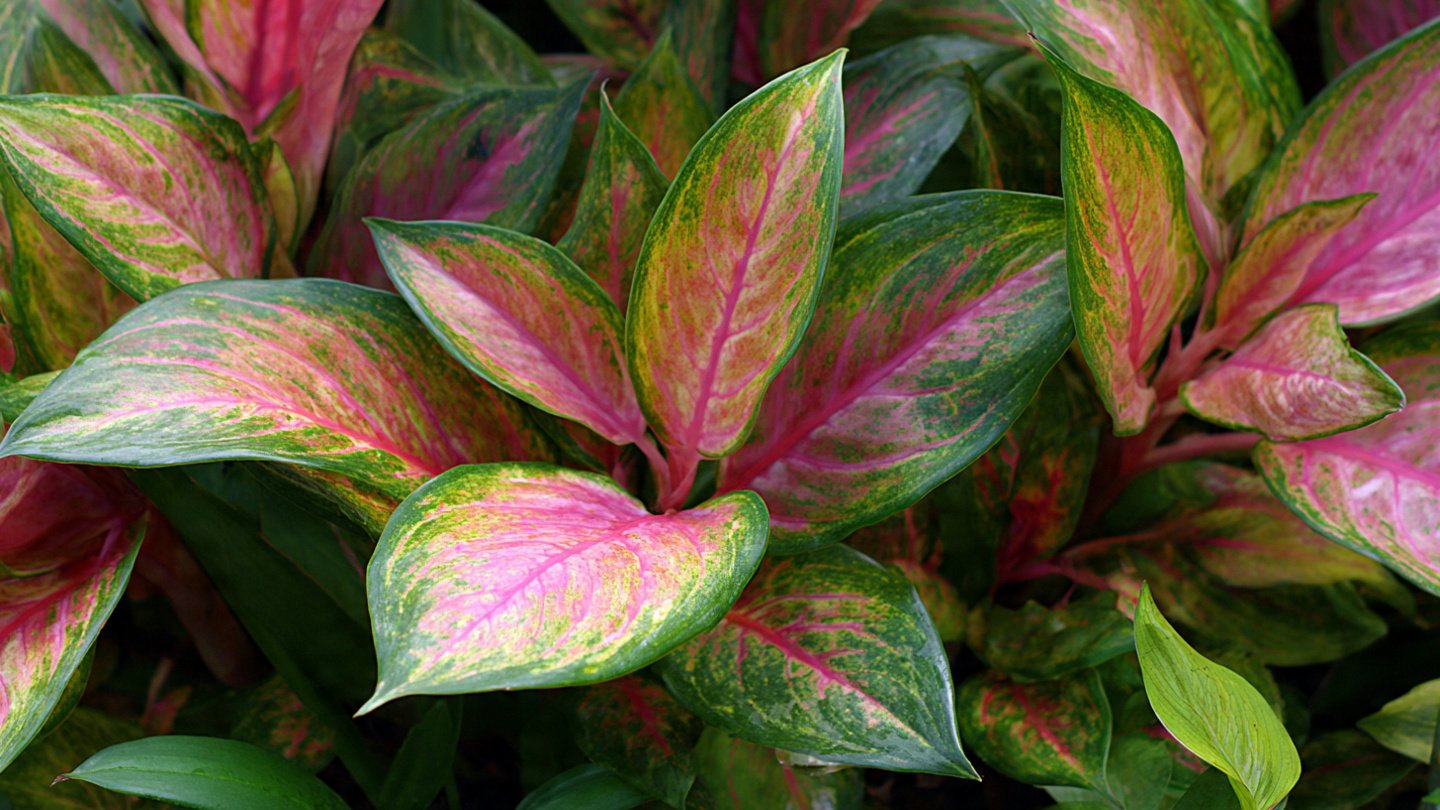
Best Techniques for Growing Aglaonema in Garden Beds for Optimal Growth
Aglaonema, commonly known as Chinese evergreen, is a popular houseplant beloved for its striking foliage and adaptability. However, growing Aglaonema in garden beds can yield even more impressive results. This article will provide you with the best techniques to grow Aglaonema successfully in your garden beds, ensuring optimal growth and vibrant foliage.
Understanding Aglaonema
Aglaonema is a tropical plant native to Southeast Asia. It thrives in warm, humid conditions and is often cultivated for its attractive leaves, which come in various shades of green, silver, and red. When grown outside, Aglaonema can reach larger sizes and produce more vibrant colors compared to indoor specimens.
Choosing the Right Location
The first step in growing Aglaonema in garden beds is selecting the right location. Here are several factors to consider:
-
Light Requirement:
- Aglaonema prefers indirect sunlight. While some varieties can tolerate low light, they will flourish in partial shade.
- Avoid planting in direct sunlight for prolonged periods as this can scorch the leaves.
-
Humidity:
- Aglaonema loves humidity. If you live in a dry climate, consider planting near a water feature or in a location that receives morning dew.
- To enhance humidity levels, you can also use mulch or plant companion species that naturally retain moisture.
-
Soil Type:
- Well-draining soil is crucial for healthy Aglaonema. A mix of general-purpose potting soil, peat moss, and perlite or sand works well.
- The pH level should be slightly acidic to neutral (about 6.0 to 7.0).
Preparing the Garden Bed
Once you’ve selected a suitable location for your Aglaonema, prepare the garden bed effectively to maximize growth:
-
Clearing the Area:
- Remove weeds, debris, and any existing plants from the chosen area to minimize competition for nutrients and water.
-
Amending the Soil:
- Enrich the soil by mixing in organic matter such as compost or well-rotted manure. This will boost nutrient levels and improve soil structure.
- Test the soil for pH and amend as necessary to achieve the desired level.
-
Layout Planning:
- Consider the spacing between individual Aglaonema plants. Adult plants may span around 2 feet, so allow at least 1-2 feet between specimens to promote air circulation and minimize the risk of disease.
Planting Aglaonema
Once your garden bed is prepared, it’s time to plant. Here’s how to do it effectively:
-
Selecting Plants:
- Choose healthy Aglaonema specimens from a reputable nursery. Look for vibrant, undamaged leaves and well-established root systems.
-
Planting Depth:
- Dig holes slightly larger than the root ball of each plant. Place the plant in the hole, ensuring that the top of the root ball is level with the surrounding soil.
- Backfill with soil and gently tamp down to eliminate air pockets.
-
Watering:
- Water the newly planted Aglaonema generously to help establish roots. After planting, keep the soil consistently moist but not soggy as overwatering can cause root rot.
Maintenance for Optimal Growth
Regular maintenance is key to ensuring that your Aglaonema thrives. Here are key factors to consider:
-
Watering:
- Water the plants regularly, especially in dry periods. Allow the top inch of the soil to dry out before watering again.
- Be cautious during winter months when growth slows, reducing watering frequency.
-
Fertilizing:
- Feed the plants with a balanced liquid fertilizer every four to six weeks during the growing season (spring and summer).
- Reduce feeding during the fall and winter months as the plant’s nutrient needs decrease.
-
Pruning:
- Prune any yellow or damaged leaves to maintain the plant’s appearance and health. This will also free up nutrients for healthy growth.
- Trim back overgrown plants to promote bushiness.
-
Pest and Disease Management:
- Monitor for common pests such as spider mites, aphids, and mealybugs. If detected, treat with insecticidal soap or neem oil.
- Avoid fungal diseases by ensuring good air circulation and not overcrowding your plants.
-
Mulching:
- Apply a layer of organic mulch around the base of the plants. This retains moisture, regulates soil temperature, and suppresses weeds.
Seasonal Considerations
Growing Aglaonema is also about adapting to seasonal changes:
-
Spring:
- As temperatures warm, consider reapplying mulch and starting a regular fertilization schedule.
- Be vigilant for pests that may emerge as the weather warms.
-
Summer:
- Monitor water levels closely during hot periods. If you notice wilting leaves, it may be a sign of dehydration.
-
Fall:
- Gradually reduce fertilization as days shorten. Prepare plants for cooler temperatures by checking for any necessary shielding from cold winds.
-
Winter:
- Protect Aglaonema from frost in colder climates. Cover with frost cloths or mulch to retain heat.
- Reduce watering frequency significantly as growth slows.
Propagation Techniques
Aglaonema can also be propagated, offering a way to expand your garden without additional costs. Here are effective methods:
-
Division:
- When the plant becomes root-bound, dig it up, and separate the root ball into sections, ensuring each section has leaves and roots.
- Replant these sections into new garden beds or pots.
-
Cuttings:
- Take stem cuttings from healthy, mature plants and allow them to root in water or moist soil.
Companion Planting
When planting Aglaonema, consider using companion plants that thrive in similar conditions. Good companions include ferns, hostas, and other broadleaf plants that can help retain moisture and add visual interest.
FAQs
1. Can Aglaonema tolerate full sun?
- No, Aglaonema prefers indirect light. Full sun can cause leaf scorch.
2. How often should I water Aglaonema?
- Water when the top inch of soil feels dry. Frequency can vary based on weather conditions.
3. Are there any pests I should watch out for?
- Yes, common pests include spider mites and mealybugs. Monitor regularly and take action promptly if pests are identified.
4. What if my Aglaonema’s leaves turn yellow?
- Yellow leaves may indicate overwatering, underwatering, or insufficient nutrients. Check moisture levels and adjust as necessary.
5. Is Aglaonema poisonous to pets?
- Yes, Aglaonema is mildly toxic to cats and dogs. Keep plants out of reach of pets.
Conclusion
Growing Aglaonema in garden beds can be a rewarding endeavor that results in lush, vibrant foliage. By understanding their needs for light, soil, water, and nutrients, you can create an ideal environment for these striking plants. Whether you’re a novice gardener or an experienced green thumb, following these best techniques will help you cultivate healthy, thriving Aglaonema plants in your outdoor garden. Embrace the beauty and benefits of this remarkable plant, and enjoy the lush oasis it brings to your outdoor space.