Introduction
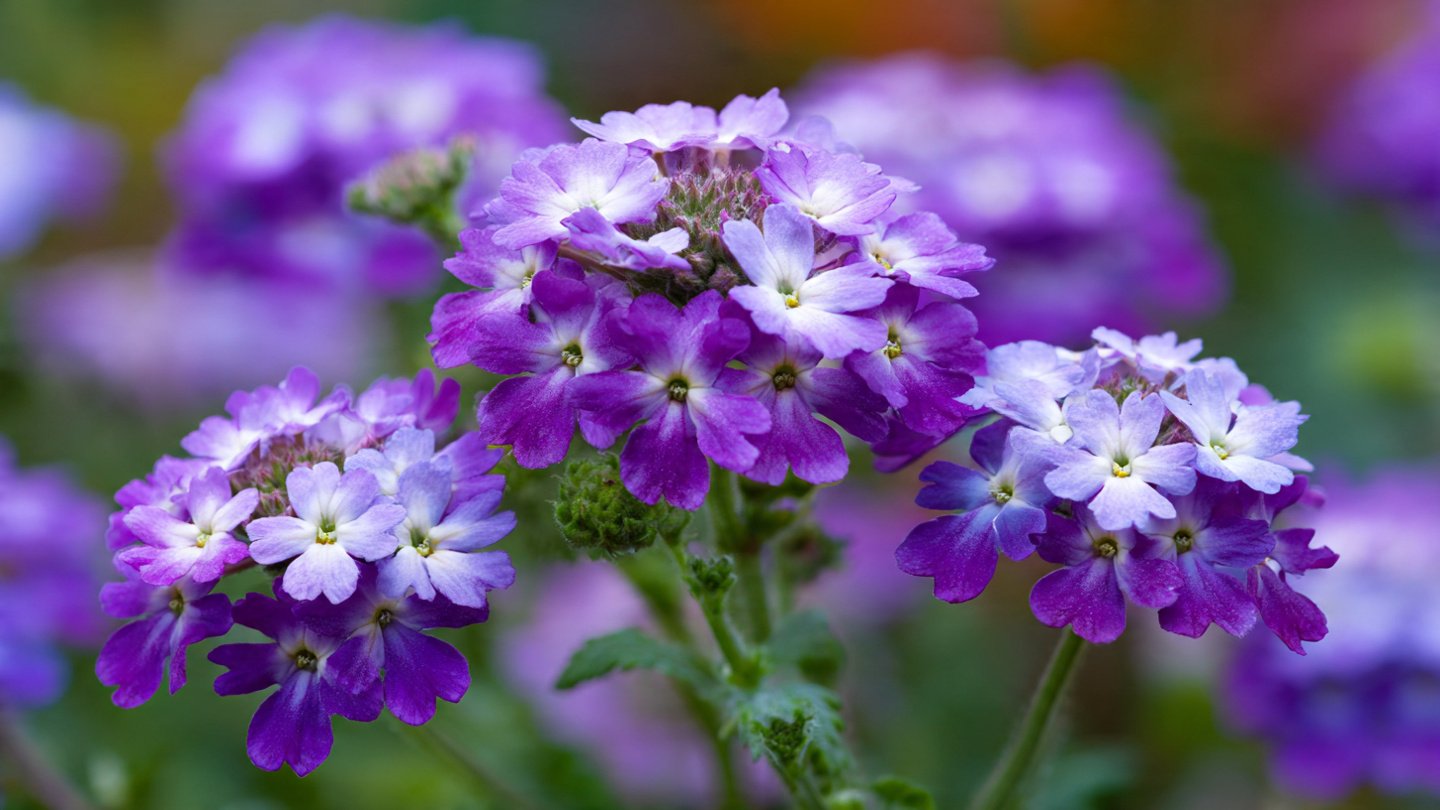
Verbena is a popular choice among gardeners due to its vibrant colors, attractive blooms, and hardiness. Among the many types of verbena, the compact varieties are particularly sought after for their ability to thrive in smaller spaces while still delivering a burst of color. This article will walk you through the process of cultivating lush compact verbena plants in your garden, providing step-by-step guidance, essential tips, and a detailed FAQ section to help you achieve gardening success.
Understanding Verbena Compact Plants
Before diving into the cultivation process, it’s important to understand what makes compact verbenas unique. These plants typically grow to a height of 8 to 12 inches and feature a bushy, mounded habit. They are known for their ability to produce an abundance of flowers throughout the summer, typically blooming from late spring until the first frost.
Compact vebena varieties, such as Verbena bonariensis and Verbena rigida, are excellent for borders, containers, and hanging baskets. Their resilience to drought and ability to attract pollinators make them favorable candidates for any garden setting.
Choosing the Right Location
Sunlight Requirements
Compact verbenas thrive best in full sun, meaning they require at least six hours of direct sunlight each day. Choose a location in your garden where the plants will receive ample sunlight, which is crucial for encouraging flowering and robust growth.
Soil Conditions
Well-draining soil is critical for the health of verbena plants. Compact verbenas prefer slightly acidic to neutral soil with a pH ranging from 6.0 to 7.0. Conduct a soil test if you’re unsure about your garden’s soil conditions, and amend as necessary to ensure proper drainage.
Preparing the Soil
Once you’ve chosen the right location, it’s time to prepare the soil:
- Clear the Area: Remove any weeds, rocks, and debris from the area.
- Loosen the Soil: Use a spade or garden fork to loosen the top 12 inches of soil.
- Amend the Soil: Incorporate organic matter like compost to improve soil structure and nutrient content. Aim for a mixture that is rich but not overly compact.
Propagation of Compact Verbena
You can propagate compact verbenas through seeds, cuttings, or purchasing young plants from a nursery.
Seed Propagation
- Timing: Start your seeds indoors about 8 to 10 weeks before the last frost date in your area. Alternatively, you can sow them directly in the garden after the last frost.
- Sowing: Sow seeds on the surface of the soil and lightly cover with a thin layer of soil.
- Germination: Keep the soil moist and provide warmth (70°F to 75°F) to encourage germination, which typically takes 2 to 3 weeks.
Cuttings
- Select Healthy Plants: Choose a healthy verbena plant and cut 3-4 inch sections from the tips of stems just below a node.
- Rooting Hormone: Dip the cut end in rooting hormone to encourage root development.
- Planting: Place the cuttings in a pot filled with a well-draining potting mix. Water and cover lightly with plastic to maintain humidity.
- Transplanting: Once the roots are established (about 4-6 weeks), transplant the cuttings into your garden.
Planting Your Compact Verbena
Whether you’re planting seeds, cuttings, or young plants, follow these steps:
- Spacing: Space plants about 8 to 12 inches apart to allow for air circulation and growth.
- Digging Holes: Create holes that are slightly larger than the root ball of your plants.
- Transplanting: Carefully place the plants in the prepared holes, ensuring that the crown is level with the soil surface, then backfill with soil and firm gently.
- Watering: Water the newly planted verbenas thoroughly to establish good root contact with the soil.
Care and Maintenance
To cultivate lush and vibrant compact verbena plants, proper care and maintenance are essential.
Watering
- Initial Watering: After planting, water thoroughly to help settle the soil around the roots.
- Ongoing Care: Water regularly, especially during dry spells. Once established, verbenas are relatively drought-tolerant, but 1 inch of water per week is beneficial for optimal growth.
Fertilization
Opt for a balanced, slow-release fertilizer in spring as new growth appears. Follow the manufacturer’s instructions for application rates. Over-fertilization can lead to leggy plants with fewer blooms.
Pruning
Regular pruning will encourage bushier growth and more blooms:
- Deadheading: Remove spent flowers to extend the blooming period and promote additional flowering.
- Cutting Back: In late summer, consider cutting back the plants by one-third to encourage fresh growth and a second bloom.
Pest and Disease Management
Compact verbenas are generally hardy, but common pests such as aphids, spider mites, and whiteflies can occasionally afflict them. Monitor your plants regularly:
- Manual Removal: Use a strong jet of water to dislodge pests.
- Insecticidal Soap: For severe infestations, you may need to use insecticidal soap or neem oil, following the product instructions carefully.
Fungal Issues
Ensure adequate spacing to promote airflow and reduce the risk of fungal diseases. If you notice signs of fungal infections, like powdery mildew, remove affected leaves and treat with a suitable fungicide if necessary.
Overwintering Compact Verbenas
In colder climates, compact verbenas can be overwintered by bringing potted plants indoors or by providing mulch around garden plants to protect their roots. In particularly harsh environments, consider treating them as annuals, planting new ones in the spring.
Harvesting and Enjoying Your Blooms
Once your compact verbenas begin to bloom, you’ll want to enjoy them both in the garden and in arrangements:
- Cut Flowers: Snip blooms early in the day for the longest vase life. Cut just above a leaf node with sharp shears.
- Vase Care: Place cut blooms in a clean vase with fresh water and enjoyed these bright flowers indoors.
Conclusion
Cultivating compact verbena plants in your garden is a rewarding venture, bringing color and charm to your outdoor spaces. Following the steps outlined in this article will empower you to grow robust, healthy plants that thrive all summer long. With a little care and attention, your garden will flourish with the vibrant presence of lush compact verbenas.
FAQs
1. What is the best time to plant compact verbenas?
Plant compact verbenas in early spring after the last frost date or start seeds indoors about 8-10 weeks before this date.
2. How often should I water my verbena plants?
Water once a week, ensuring the soil is well-drained. In extreme heat, you may need to water more frequently.
3. Can compact verbenas grow in containers?
Yes, compact verbenas are excellent for containers and hanging baskets due to their small size and mound-like growth.
4. Do I need to deadhead my verbena plants?
Yes, deadheading can encourage more blooms and extend the flowering season.
5. Are compact verbenas annual or perennial?
Compact verbenas are typically grown as annuals in cooler climates but can be perennial in warmer conditions.
6. How do I prevent pests on my compact verbenas?
Regular monitoring, good air circulation, and using natural insecticides can help prevent pest infestations.
7. Can I save seeds from my compact verbena plants?
Yes, allow the flower heads to dry on the plant, then collect and store the seeds in a cool, dry place for next season.
By implementing these practices, you’ll be well on your way to enjoying the delightful blooms of compact verbenas in your garden! Happy gardening!