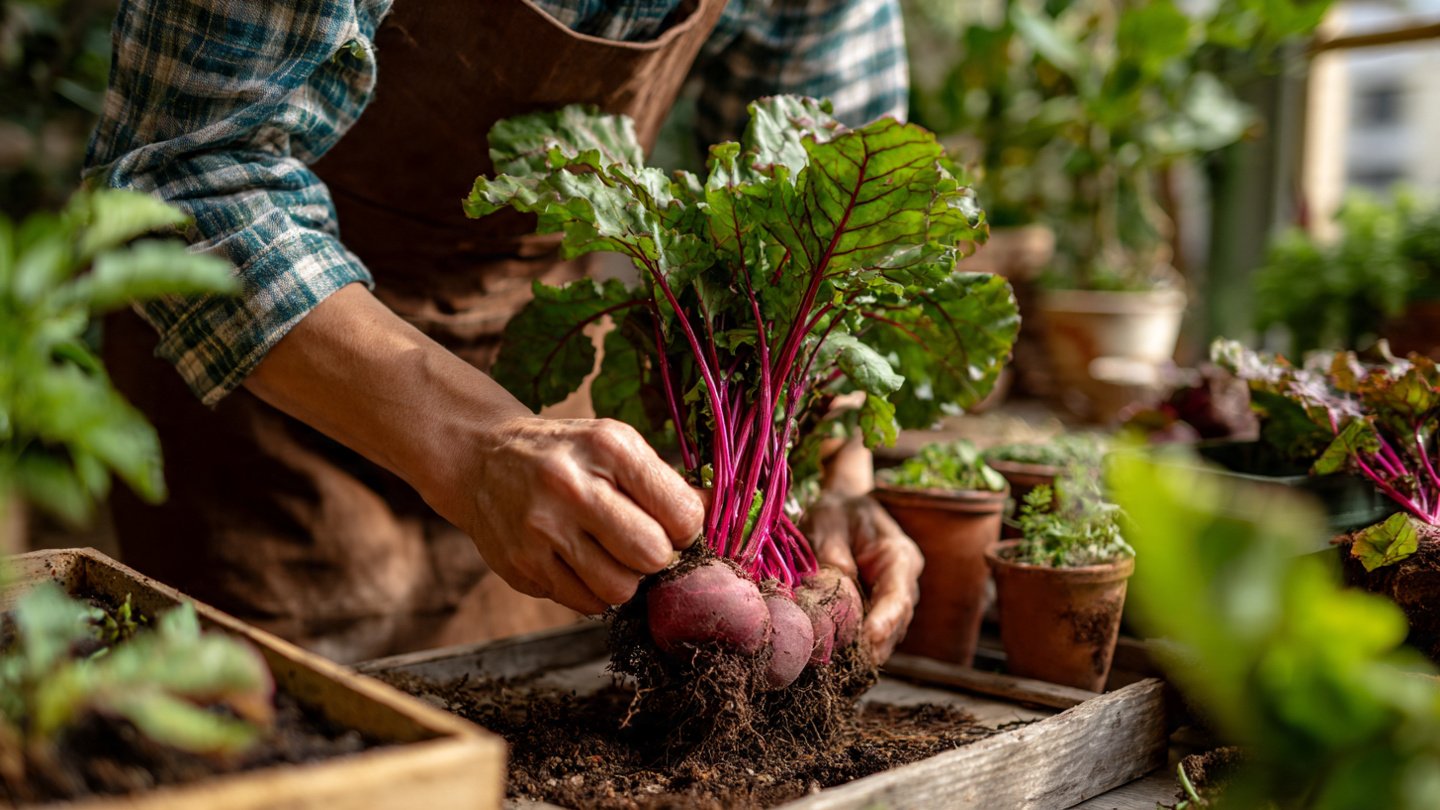
Urban gardening has gained remarkable popularity in recent years, with many city dwellers opting to cultivate their green spaces using whatever means available—containers, balconies, and rooftops. One of the most rewarding vegetables to grow in pots is beetroot. Not only is it relatively easy to cultivate, but it also offers numerous health benefits and can be harvested at different stages for various culinary uses. In this guide, we’ll explore everything you need to know to grow beetroot successfully in pots.
Why Grow Beetroot in Pots?
-
Limited Space: Urban environments often come with space constraints. Pots can easily fit on windowsills, balconies, or small patios.
-
Soil Control: Growing in pots allows you to control the soil conditions better, providing the ideal nutrient mix for beets.
-
Mobility: Pots can be moved to take advantage of sunlight or protect plants from extreme weather.
-
Aesthetic Appeal: Beet leaves are beautiful, with their lush green tops and vivid red or golden roots, adding beauty to your garden.
-
Harvest Flexibility: You can harvest young beets (baby beets) or wait for them to mature, giving you options depending on your culinary needs.
Choosing the Right Pot
Size
Select pots that are at least 12 inches deep and wide. Beetroot has a long taproot, and providing enough space is crucial for proper growth. A larger pot (14 to 16 inches) can accommodate multiple plants and gives you more flexibility in planting.
Material
Containers can be made from various materials, including plastic, ceramic, or metal. Ensure that the pot has drainage holes to prevent water from sitting at the bottom, which can cause root rot.
Drainage
Good drainage is vital. Always use pots with holes at the bottom, and consider adding a layer of pebbles or stones to the base to further enhance drainage.
Selecting the Right Soil
Beetroot prefers well-draining, nutrient-rich soil. A mix of potting soil and compost is ideal. You can also add perlite or vermiculite to enhance drainage:
- Potting Soil: A quality peat-based mix provides a good base.
- Compost: Incorporating organic compost enriches the soil with nutrients, supporting healthy growth.
- Perlite/Vermiculite: These additives improve aeration and drainage.
Choosing the Right Beetroot Varieties
Different varieties of beetroot offer unique benefits. Some popular options include:
-
Detroit Dark Red: Classic variety known for its sweet flavor and deep color, ideal for containers.
-
Golden Beet: A gorgeous yellow beet with a milder flavor, adding visual variety to your garden.
-
Chioggia: Recognized for its beautiful red and white concentric rings, perfect for adding color to salads.
-
Cylindra: An elongated variety that fits well in pots and is easy to slice.
Select varieties that are suited for your climate and intended use (pickling, salads, roasting, etc.).
Planting Beetroot
Timing
Beetroot can be sown directly in pots in early spring or late summer, depending on your climate. They thrive in cooler temperatures, typically around 50°F to 75°F (10°C to 24°C).
Sowing Seeds
-
Prepare the Soil: Loosen the soil in the pot and mix in compost.
-
Planting Depth: Sow seeds about ½ inch deep and 1-2 inches apart. You can thin them later to ensure ample space for growth.
-
Watering: Water the pot thoroughly after planting but avoid waterlogging. Keep the soil consistently moist.
Seedlings Care
Beet roots generally take about 7-14 days to germinate. After emergence, thin the seedlings to 3-4 inches apart to allow room for growth.
Care and Maintenance
Watering
Beetroot requires consistent moisture. Check your pots regularly and water when the top inch of soil feels dry. Be careful not to overwater, as this can lead to rot.
Fertilizing
Fertilization generally isn’t necessary if you’ve used a nutrient-rich mix. However, after a few weeks, you might want to feed them with a balanced liquid fertilizer every 2-4 weeks. Look for a fertilizer with lower nitrogen content and higher potassium and phosphorus levels.
Sunlight
Beets love sunlight but can tolerate partial shade, especially during hotter months. Aim for a minimum of 6 hours of sunlight daily.
Pest Control
Keep an eye out for common pests, including aphids and beetles. Organic insecticides or neem oil can be effective if problems arise.
Harvesting Beetroot
Beetroot can be harvested in two main stages:
-
Baby Beets: These can be harvested when they are about the size of a golf ball. They are tender, sweet, and perfect for salads.
-
Mature Beets: Generally ready 8-10 weeks after planting, mature beets can be harvested when they reach 2-3 inches in diameter.
To harvest, gently pull or loosen the soil around the beetroot with a fork or your hands. Avoid pulling them out aggressively to prevent damage.
Cooking and Storing Beetroot
Cooking Methods
Beetroot can be enjoyed in various culinary ways:
-
Roasting: Roasted beets develop a sweet, caramelized flavor. Wrap them in foil and roast at 400°F (200°C) for about 45-60 minutes.
-
Boiling: Boil until tender, usually 30-60 minutes depending on size.
-
Raw: Thinly sliced or grated beets make a great addition to salads.
Storing
Freshly harvested beets can be stored in a cool, dark place for several weeks. Remove the greens (which can be used as well) before storing to prolong the life of the roots.
Frequently Asked Questions (FAQs)
1. Can you grow beetroot in small pots?
Yes, but ensure the pot is at least 12 inches deep and wide to provide adequate space for the roots to grow.
2. How often should I water beetroot in pots?
Check the soil moisture regularly. Water when the top inch of soil is dry, keeping it consistently moist but not waterlogged.
3. Do I need to fertilize beetroot?
If you use a nutrient-rich potting mix, additional fertilization may not be necessary. However, a balanced liquid fertilizer every 2-4 weeks can help boost growth.
4. What pests should I watch out for?
Common pests include aphids, beetles, and leaf miners. Regular monitoring and organic pest control methods can help manage these issues.
5. How do I know when to harvest beetroot?
Harvest baby beets when they are about the size of a golf ball, and mature beets when they reach 2-3 inches in diameter.
6. Can I eat beet greens?
Absolutely! Beet greens are nutritious and can be used in salads, stir-fries, or as cooked greens.
Conclusion
Growing beetroot in pots is an achievable and rewarding endeavor for urban gardeners. With proper planning, care, and attention, you can enjoy a bountiful harvest of this versatile root vegetable. Whether you’re looking to enhance your meals with fresh flavors or simply want to beautify your living space, pot-grown beetroot can be a delightful addition to your urban garden. Happy gardening!