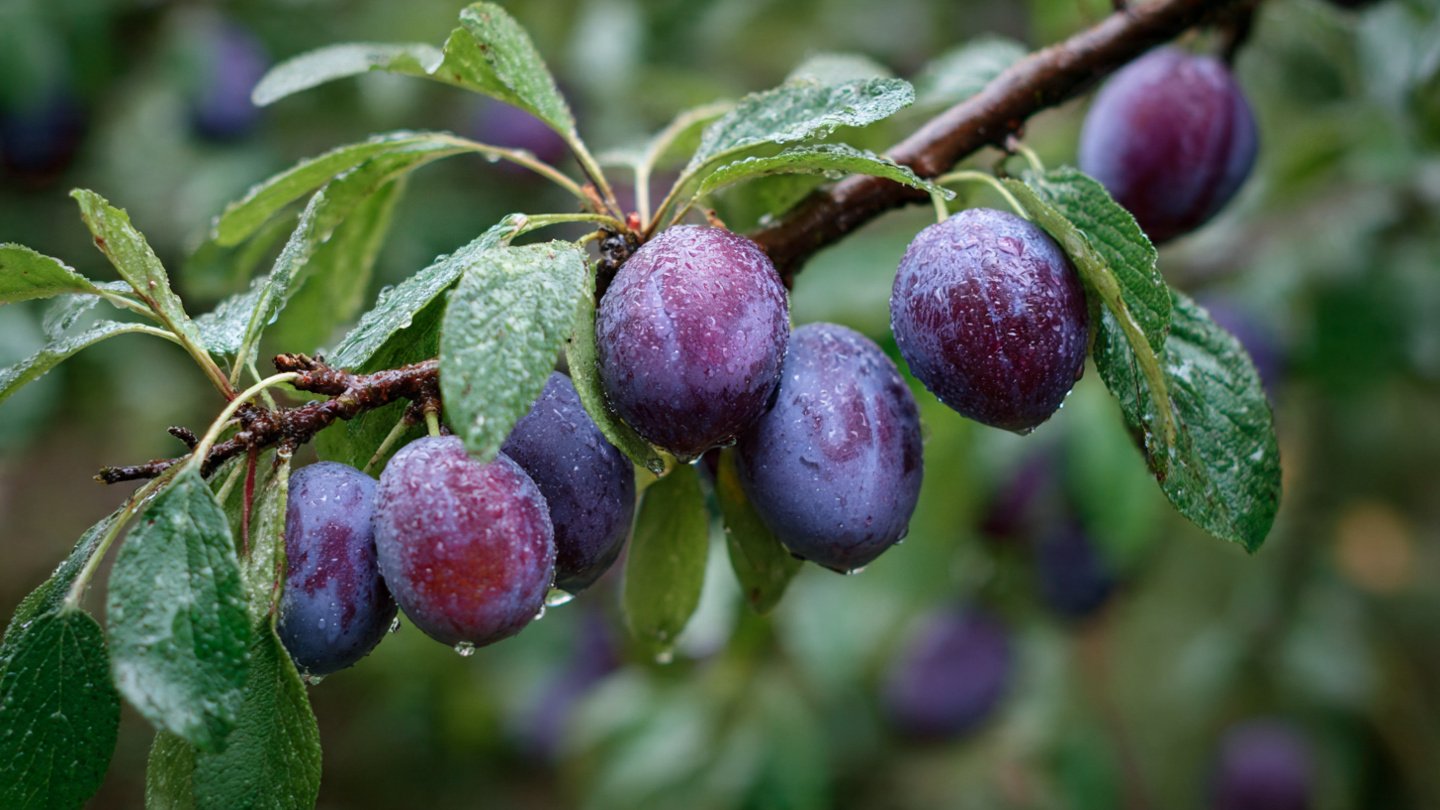
Growing plums in your home garden can be an incredibly rewarding experience. Not only can you enjoy the delicious fruits right at your doorstep, but plum trees also add beauty to your landscape. However, successful plum production requires attention to detail, from selecting the right variety to providing optimal care throughout the growing season. This article will detail essential tips to help you grow healthy and abundant plums in your home garden.
1. Choosing the Right Variety
A. Consider Local Climate
The first step in successful plum production is choosing a variety that thrives in your local climate. Plums are broadly categorized into two types: European and Japanese. European plums, such as ‘Damson’ and ‘Stanley’, are well-suited for cooler climates, while Japanese plums, like ‘Santa Rosa’ and ‘Methley’, prefer warmer conditions.
B. Pollination Needs
Many plum trees require cross-pollination for optimal fruit production, meaning you might need to plant more than one variety. Research which varieties are compatible for pollination and ensure you have at least two trees that bloom at the same time.
2. Soil Preparation
A. Soil Testing
Before planting, test your soil to ensure it has the right pH level (ideally between 6.0 and 6.8) and sufficient nutrients. Soil testing kits are available at garden centers or online, and the results will guide you in amending the soil.
B. Amendments
Based on your soil test, you may need to enrich it with organic matter such as compost or well-rotted manure. Well-draining soil is essential, so consider incorporating sand or perlite if your soil tends to retain too much moisture.
C. Site Selection
Choose a sunny site, as plum trees thrive in full sun. Ideally, they should receive at least six hours of direct sunlight each day. Also, ensure the site is protected from strong winds, which can damage blossoms and young fruit.
3. Planting Your Plum Tree
A. Timing
The best time to plant plum trees is in early spring or late fall when the tree is dormant. This timing allows the tree to establish roots before the hot summer months.
B. Planting Technique
When planting, dig a hole that’s twice as wide and as deep as the root ball. Remove the tree from its container and gently loosen any tightly bound roots. Place the tree in the hole, ensuring it’s upright and the graft union (where the tree grafts to the rootstock) is above soil level. Backfill the hole with soil, firming it gently around the base.
4. Watering and Irrigation
A. Consistent Watering
Plums require consistent moisture, especially during the first two years after planting. Water deeply once a week, allowing the soil to dry slightly between waterings. Avoid waterlogging, as it can lead to root rot.
B. Drip Irrigation
Consider installing a drip irrigation system for efficiency and to minimize water waste. This method allows you to provide consistent moisture directly to the roots.
5. Fertilization
A. Appropriate Nutrients
Fertilize your plum trees in early spring with a balanced, slow-release fertilizer. Look for a formulation with equal parts nitrogen, phosphorus, and potassium (e.g., 10-10-10).
B. Organic Options
If you prefer organic options, you can use compost, fish emulsion, or bone meal to enrich the soil. Regular mulching with organic material also helps retain moisture and gradually adds nutrients.
6. Pruning and Training
A. Importance of Pruning
Pruning is essential for maintaining the health of your plum tree. It encourages a strong structure, allows sunlight to reach all parts of the tree, and improves air circulation.
B. When to Prune
The best time to prune plum trees is in late winter or early spring when the tree is still dormant. Focus on removing any dead or diseased branches, as well as those that cross each other or grow inward.
C. Training Techniques
Consider using training techniques like “open center” or “central leader” to shape the tree. This will help establish a strong framework for future growth and fruit production.
7. Pest and Disease Management
A. Regular Monitoring
Keep a close eye on your trees for signs of pests or diseases. Common pests include aphids, plum curculio, and spider mites, while diseases might include brown rot and plum leaf scald.
B. Integrated Pest Management (IPM)
Implement an Integrated Pest Management strategy to deal with infestations. This includes monitoring, prevention, and, if necessary, organic or chemical treatments.
C. Organic Remedies
Utilize organic remedies such as neem oil for pest control and copper fungicides for fungal diseases. Always follow the application instructions to minimize harm to beneficial organisms.
8. Harvesting Your Plums
A. Timing
Plums are typically ready for harvest in late summer to early fall, depending on the variety. The best way to determine ripeness is by checking color, softness, and flavor.
B. Gentle Handling
When harvesting, handle the plums gently to avoid bruising. Use clippers or scissors to cut the stem instead of pulling the fruit off the branch, which can damage the tree.
9. Storage
A. Short-Term Storage
Plums are best consumed fresh, but if you need to store them, keep them in a cool place or refrigerate them to extend their shelf life. Avoid stacking them too tightly to prevent bruising.
B. Long-Term Storage
For long-term storage, consider canning or freezing your plums. Canned plums can be a delightful addition to various dishes throughout the year, while frozen plums can be used in smoothies and baking.
10. Enjoying Your Plums
Once harvested, enjoy your plums fresh or incorporate them into dishes like jams, jellies, pies, and salads. Their sweet and tangy flavor can enhance a variety of culinary creations.
FAQs
Q1: How long does it take for a plum tree to bear fruit?
A: Most plum trees will start to produce fruit within 3 to 6 years after planting, depending on the variety.
Q2: How often should I water my plum tree?
A: Water deeply once a week during the growing season, ensuring the soil stays moist but not waterlogged. During hot, dry spells, you may need to water more frequently.
Q3: Can I grow plum trees in containers?
A: Yes, dwarf plum varieties can thrive in containers, making them suitable for small spaces. Ensure the container has good drainage and uses quality potting soil.
Q4: What should I do if my plum tree is not producing fruit?
A: If your plum tree is not bearing fruit, check for proper pollination, adequate sunlight, watering habits, and any signs of pests or diseases.
Q5: When is the best time to prune plum trees?
A: The optimal time to prune plum trees is during late winter or early spring while the tree is dormant. This timing encourages healthy growth and fruiting.
Q6: How do I know when my plums are ripe?
A: Harvest plums when they have developed full color, feel slightly soft to the touch, and taste sweet. Each variety has its specific harvesting time, typically late summer to early fall.
Conclusion
By following these essential tips, you’ll be well on your way to cultivating healthy plum trees and enjoying delicious fruits from your home garden for years to come. With patience and care, your plums will thrive, adding not just flavor to your meals but also beauty to your garden. Happy gardening!