Introduction
Syngonium, commonly known as the arrowhead plant, is a popular choice among indoor and outdoor gardeners alike due to its stunning foliage and adaptability. With its striking leaf shapes and vibrant hues ranging from bright green to variegated patterns, Syngonium plants can bring a sense of lushness to shaded garden beds. This article will guide you through the essential steps for cultivating Syngonium bush in shaded areas, ensuring vibrant greenery and a thriving ecosystem.
1. Understanding Syngonium
1.1 Plant Characteristics
Syngonium is part of the Araceae family and includes various species, most notably Syngonium podophyllum. This plant typically features arrow-shaped leaves that vary in color and pattern. Depending on its age and growing conditions, a Syngonium can grow as a bush or a climbing vine.
1.2 Growing Zones
Ideal for USDA Zones 10-11, Syngonium thrives in warm, humid conditions, making it suitable for subtropical and tropical climates. However, many gardeners find ways to grow it successfully even in cooler areas by ensuring proper indoor care or using greenhouses.
2. Choosing the Right Location
2.1 Assessing Light Conditions
Although Syngonium can tolerate low light, it flourishes best in bright, indirect sunlight. When planting in shaded garden beds, consider areas that receive partial shade—enough filtered light during the day to promote healthy growth. Avoid areas that are completely dark or receive harsh afternoon sun.
2.2 Soil Conditions
Syngonium prefers well-draining soil rich in organic material. A mix of potting soil combined with perlite or pine bark can provide both drainage and nutrients. Heavy clay soil should be avoided, as it retains too much moisture, which can lead to root rot.
3. Planting Syngonium Bush
3.1 Preparing the Site
Before planting, clear the garden bed of weeds and debris. Amend the soil by mixing in compost or organic fertilizer to enrich it. The ideal pH level for Syngonium is between 6.0 and 7.0, so consider conducting a soil test if you’re unsure.
3.2 Planting Technique
-
Digging Holes: Prepare holes that are twice as wide as the root ball of your Syngonium plants.
-
Planting: Place the plants in their holes at the same depth they were growing in their pots. Fill in with the amended soil and gently tamp down to eliminate air pockets.
-
Watering: Water the plants immediately after planting to help settle the soil.
3.3 Spacing
Leaves and stems can grow densely, so proper spacing is essential for air circulation and light penetration. A spacing of 12-18 inches between plants is generally recommended.
4. Care and Maintenance
4.1 Watering
Syngonium prefers consistently moist soil but should not be waterlogged. Water when the top inch of soil feels dry. In shady environments, you may find that the watering frequency is reduced, so be sure to adjust based on soil moisture levels.
4.2 Fertilization
Feed your Syngonium bush with a balanced, water-soluble fertilizer every 4-6 weeks during the growing season (spring and summer). Avoid fertilizing during the fall and winter when the plant’s growth slows.
4.3 Pruning and Training
Regular pruning encourages bushy growth and can help remove any yellowing or dead leaves. If the plant is growing as a vine, consider providing trellises or stakes for support. Regularly check for signs of pests like spider mites or aphids, which can affect the plant’s health.
5. Common Issues
5.1 Pest Management
Syngonium plants can attract pests, especially in humid environments. Inspect leaves regularly and treat any infestations with insecticidal soap or neem oil.
5.2 Diseases
Root rot is a common concern; ensure proper drainage and be cautious with watering. Avoid letting the roots sit in water, especially in shaded environments where evaporation rates are lower.
5.3 Leaf Discoloration
Discolored or yellowing leaves often signify overwatering or lack of nutrients. Adjust your watering regimen and consider incorporating a balanced fertilizer if necessary.
6. Creating a Lush Environment
6.1 Companion Planting
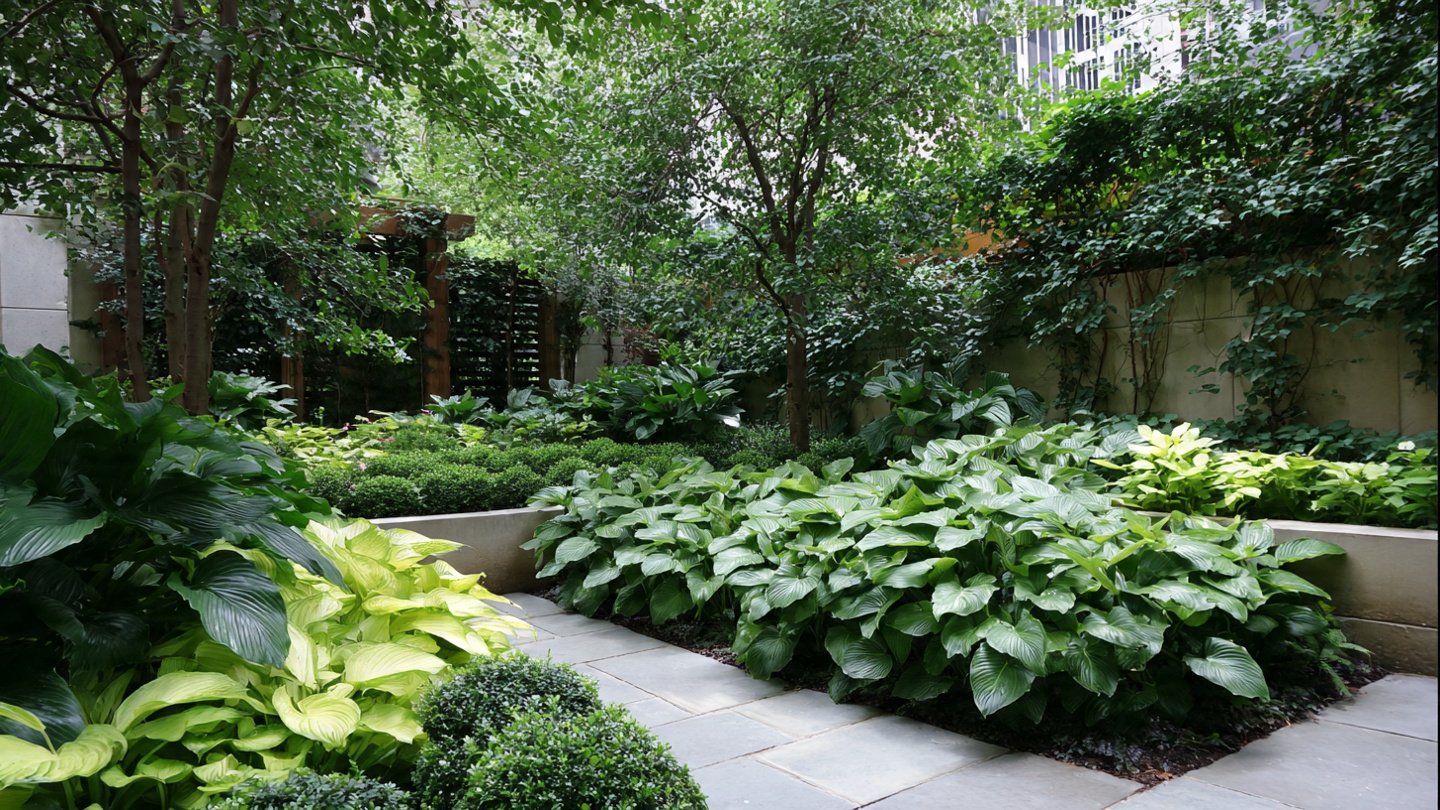
Syngonium pairs well with other shade-loving plants like ferns, hostas, and calatheas. Combining different foliage textures and colors can create a visually appealing and lush environment.
6.2 Mulching
Adding a layer of mulch can help retain soil moisture, suppress weeds, and provide a more refined look to your shaded garden beds. Organic mulches such as shredded bark or straw are excellent choices.
6.3 Integrating Features
Incorporate garden features like rocks, pathways, or decorative planters to add interest to the shaded areas. This breaks the monotony and enhances the overall aesthetics.
7. Tips for Year-Round Care
7.1 Transitioning Indoors
In colder climates, you might consider bringing your Syngonium indoors during winter months. Ensure they receive bright, indirect light and avoid drafts or heating vents that may dry them out.
7.2 Seasonal Adjustments
Keep an eye on the environment and make seasonal adjustments in care. As temperatures drop, reduce watering and stop fertilizing.
FAQs
1. How fast does Syngonium grow?
Syngonium can grow quite rapidly in ideal conditions, often reaching several feet in height within a few months. When grown in shaded areas, growth may slow but healthy plants can still thrive.
2. Can Syngonium survive in full shade?
While Syngonium can survive in low light, full shade may not promote optimal growth or vibrant foliage. It’s best to plant them where they will receive some indirect sunlight.
3. How do I propagate Syngonium?
Syngonium can be easily propagated through stem cuttings. Cut a healthy stem just below a node, removing any lower leaves. Place the cutting in water or directly in moist soil until roots develop.
4. What is the ideal temperature for Syngonium?
Syngonium thrives in temperatures between 60°F and 85°F (15°C – 29°C). They should be protected from freezing temperatures for optimal growth.
5. Is Syngonium toxic to pets?
Yes, Syngonium is toxic to pets if ingested, causing nausea and irritation. If you have pets, it’s essential to keep these plants out of their reach.
6. Why are my Syngonium leaves curling?
Curling leaves may indicate underwatering, overwatering, or sensitivity to changes in environmental conditions. Check soil moisture and humidity levels and adjust your care regimen accordingly.
7. How often should I repot my Syngonium?
Repotting is generally needed every couple of years or when growth has stalled due to root binding. Choose a pot that is one size larger to allow for more growth.
Conclusion
Cultivating Syngonium bush in shaded garden beds is an enjoyable endeavor that can yield lush, vibrant greenery and enhance the overall aesthetic of your garden. By following the guidelines outlined in this article, you ensure proper care, leading to a thriving Syngonium that serves as a foundation for stunning outdoor spaces. Incorporate your own creativity into the design, and soon enough, your shaded garden will transform into a beautiful green oasis. Happy gardening!