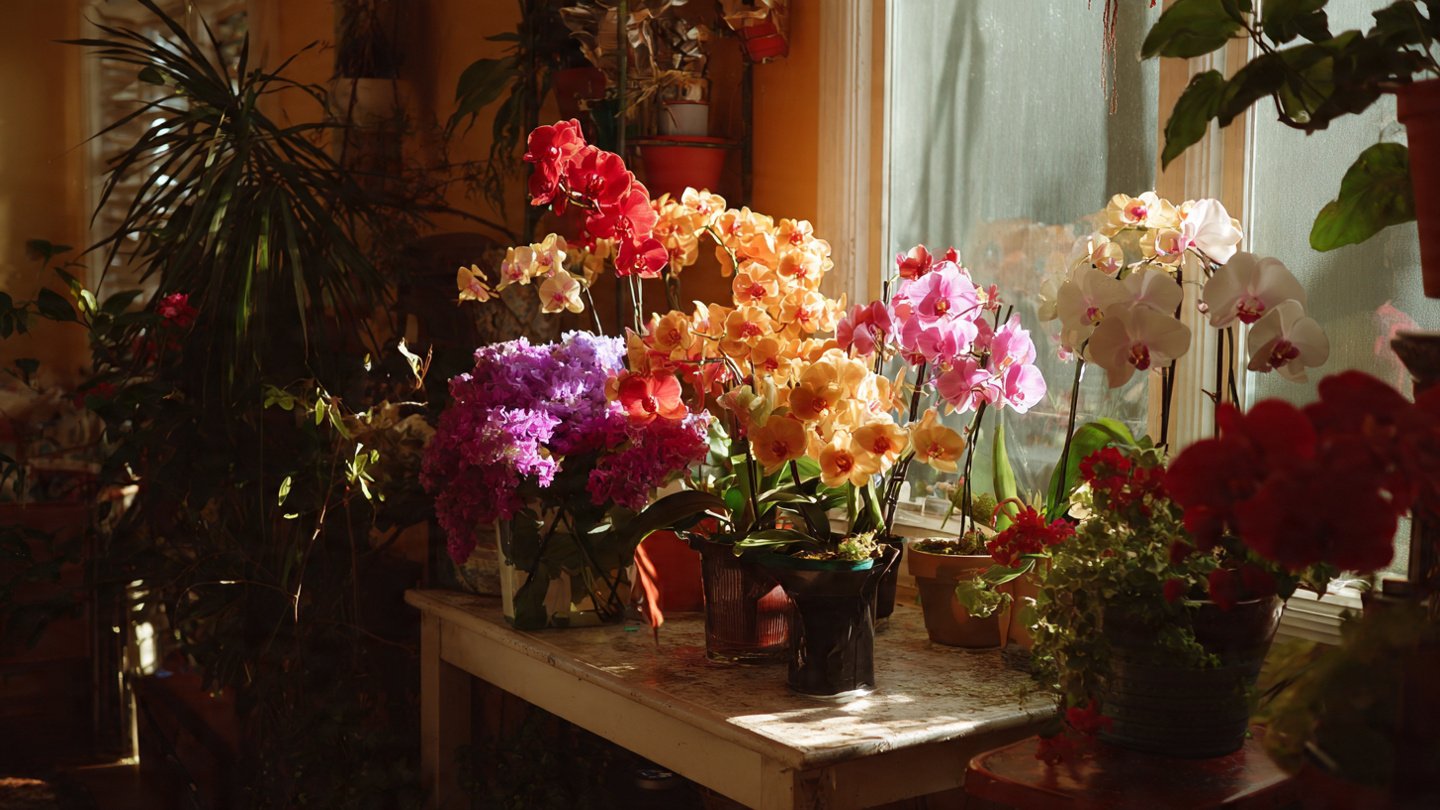
Bringing the beauty of nature indoors enhances our living spaces and uplifts our spirits. Indoor flowers not only add color and life to a home but can also purify the air and improve mental well-being. If you’re looking to cultivate vibrant and showy indoor flowers, you’ll want to follow certain strategies to ensure their health and reproductive success. This guide will explore various methods to grow beautiful indoor flowers, from selecting the right plants to understanding their care requirements.
1. Choosing the Right Indoor Flowers
Popular Indoor Flower Options
Selecting the right flowers for your home is the foundation of successful indoor gardening. Here are a few popular indoor flower options:
- African Violets: Known for their vibrant purple, pink, and white blooms, they thrive in moderate light.
- Orchids: Exotic and elegant, orchids can bloom multiple times a year if cared for properly.
- Peace Lilies: With their glossy leaves and stunning white flowers, they’re easy to grow and handle low light.
- Geraniums: These hardy flowers offer a variety of colors and are fairly resilient to indoor conditions.
Match Flowers to Your Conditions
Before purchasing flowers, assess the conditions of your home:
- Light Levels: Consider how much natural light different rooms receive. Many flowering plants prefer bright, indirect light.
- Humidity: Some flowers, like orchids, enjoy high humidity, while others, such as succulents or cacti, need dry air.
- Temperature: Consistent indoor temperatures are crucial, as rapid fluctuations can stress plants.
2. Potting and Soil Selection
High-Quality Potting Mix
A good potting mix is essential for healthy indoor flowers. Look for a soil blend that promotes drainage and aeration. A standard potting mix with added perlite or vermiculite is generally ideal.
Pot Size and Drainage
- Pot Size: Choose pots that allow for several inches of growth. Opting for a pot too small will limit root development, whereas excessive space may retain too much moisture.
- Drainage Holes: Ensure pots have adequate drainage to prevent root rot. Consider using a layer of gravel at the bottom of larger pots to improve drainage.
3. Watering Wisely
Establish a Watering Schedule
Indoor flowers have varying water needs based on species, stage of growth, and environmental conditions.
- Check Soil Moisture: Always check the top inch of soil. If it’s dry, it’s time to water; if it’s still moist, wait a few days.
- Frequency: A general rule is to water once a week. However, plants in brighter light may need more frequent watering.
Techniques for Efficient Watering
- Bottom Watering: Placing pots in a shallow dish with water allows the plants to absorb moisture from below, promoting deep root growth.
- Avoiding Overhead Water: Water at the base of the plant to prevent fungal diseases that may arise from wet leaves.
4. Understanding Light Requirements
Light Conditions for Different Flowers
- Bright Indirect Light: Ideal for many flowering plants like African violets and orchids; a south or west-facing window is typically best.
- Low Light: Some plants, like peace lilies, can thrive in lower light conditions but may require a bit more care to prevent over-watering.
- Supplemental Light: For areas with inadequate sunlight, consider using grow lights to provide the necessary spectrum for floral growth.
Rotating Pots
To ensure even growth, rotate your pots every few weeks. This practice helps all sides of the plant receive light, preventing lopsided growth.
5. Fertilization Techniques
Choosing the Right Fertilizer
Indoor flowers benefit greatly from regular feeding, especially during the growing season (spring and summer).
- Water-Soluble Fertilizers: A balanced, water-soluble fertilizer (like a 20-20-20 or 15-30-15) can provide essential nutrients.
- Organic Options: Consider organic alternatives such as compost tea or fish emulsion for a natural boost.
Scheduling Fertilization
- Frequency: Fertilize every 4-6 weeks during the growing season. Reduce or eliminate fertilization in fall and winter when most plants enter a dormant phase.
- Dilution: Always follow the package instructions and dilute fertilizers to prevent nutrient burn.
6. Maintaining Humidity and Temperature
Humidity Levels
Many indoor flowers thrive in higher humidity levels. To maintain optimal humidity:
- Misting: Lightly mist the leaves during dry months.
- Humidity Trays: Place trays filled with pebbles and water under plants to increase local humidity.
- Grouping Flowers: Cluster plants together can create a micro-humid environment.
Temperature Management
Indoor flowers typically prefer temperatures between 65°F to 75°F (18°C to 24°C).
- Avoid Drafts: Keep plants away from heating vents and air conditioning units that can create sudden temperature changes.
- Night Temperature Drops: Many flowering plants may benefit from slightly cooler temperatures at night.
7. Pruning and Deadheading
Importance of Pruning
Regular pruning helps maintain the shape of the plant and promotes air circulation, which can prevent fungal diseases.
- Remove Dead or Yellowing Leaves: Cut away any parts of the plant that are unhealthy to encourage new growth.
- Pinch Back Growth: Trimming tips can promote bushier growth and more flowers.
Deadheading Flowers
Removing spent blooms (deadheading) encourages plants to produce new flowers and prevents them from going to seed.
8. Pest Management
Common Indoor Plant Pests
Indoor flowers can fall prey to various pests:
- Spider Mites: Often found in dry conditions, spider mites can be managed by increasing humidity or using insecticidal soap.
- Aphids: Small and sap-sucking, they can compromise the health of plants. Use neem oil or insecticidal soap for control.
Regular Inspection
Inspect your plants regularly for signs of pests and address them promptly. The sooner you deal with infestations, the easier they are to manage.
9. Seasonal Care Adjustments
Recognizing Seasonal Changes
Indoor flowers may react differently as seasons change. Observe plant behavior and adjust care accordingly:
- Spring/Summer: Increased light and higher watering frequency.
- Fall/Winter: Reduce watering and fertilization as plants enter dormancy.
Preparing for Blooming
Encouraging blooming can sometimes require specific care adjustments, such as cooler nights or adjusted light exposure patterns.
FAQs
1. How often should I water my indoor flowers?
Watering frequency depends on the plant type, size, and environmental conditions. Generally, check the top inch of soil for dryness and water accordingly, usually once a week.
2. Can I grow indoor flowers without much natural light?
Yes, many flowering plants like peace lilies and certain varieties of orchids can thrive in low-light conditions. Additionally, using grow lights can supplement light for light-demanding plants.
3. What is the best potting mix for indoor flowers?
A high-quality potting mix with good drainage is essential. Look for mixes that contain perlite or vermiculite for improved aeration and moisture retention.
4. How can I increase humidity for my indoor flowers?
You can increase humidity by misting the leaves, placing humidity trays with pebbles and water under pots, or grouping plants together.
5. What should I do if my indoor flowers aren’t blooming?
If flowers aren’t blooming, check their light, water, and nutrient levels. Ensure they are in the right environment for their specific needs, and consider adjusting care protocols.
6. How do I handle pest infestation?
Regularly inspect your plants for pests and treat infestations with appropriate insecticides like neem oil or insecticidal soap. Act quickly, as early intervention is often most effective.
7. When is the best time to fertilize indoor flowers?
Fertilize indoor flowers every 4-6 weeks during the active growing season (spring and summer). Reduce or cease fertilization in fall and winter.
Cultivating vibrant and showy indoor flowers requires attention to detail and an understanding of each plant’s needs. By following the strategies outlined above, you can create a lush, colorful indoor garden that brightens your home and enhances your well-being. With patience, practice, and a bit of love, your indoor flowering plants will thrive and provide joy throughout the year. Happy gardening!