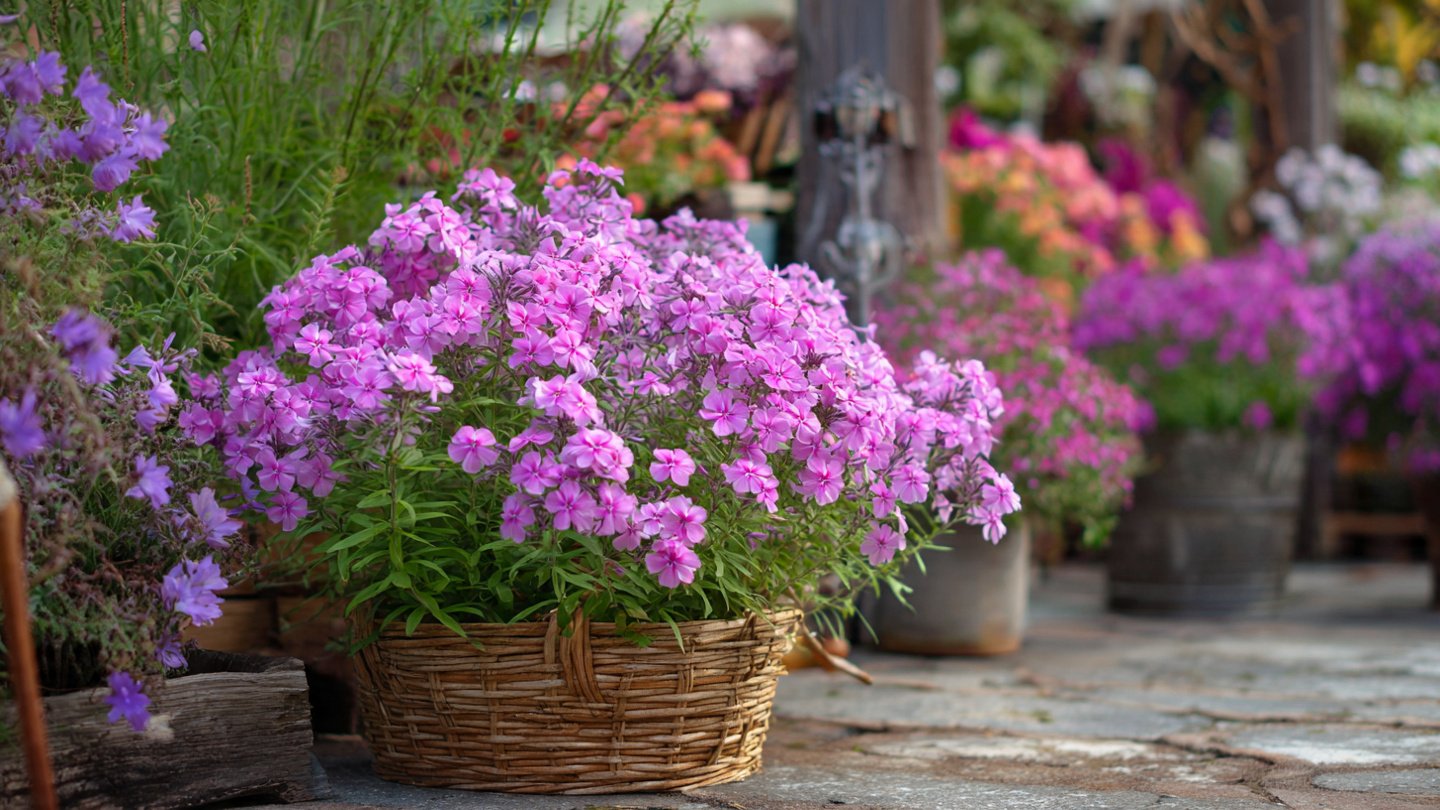
Phlox, a favorite among gardeners and floral enthusiasts alike, brings vibrant colors and delightful fragrances to any garden. With varieties that bloom from early summer to fall, these perennial plants can transform your home into a floral haven, offering you stunning cut flowers for arrangements. This guide will delve into everything you need to know about growing phlox, from preparation to care, ensuring you have flourishing blooms all season long.
Understanding Phlox
Phlox is a genus of flowering plants known for their vibrant colors and delightful scents. The two main types of phlox you might consider for your garden are:
- Garden Phlox (Phlox paniculata): Known for its large flower clusters and tall stature, this type is ideal for sunny borders.
- Creeping Phlox (Phlox subulata): A ground-covering variety that blooms early in spring, providing a carpet of color.
Both types can be utilized for beautiful cut flower arrangements, bringing a touch of natural elegance to your home.
Choosing the Right Variety
When selecting phlox, consider the following:
- Color: Phlox blooms in various colors, including pink, purple, red, white, and blue. Choose based on your aesthetic preferences and seasonal themes.
- Height: Garden phlox can grow anywhere from 1 to 4 feet tall. Ensure the space allows for proper growth without overcrowding.
- Bloom Time: Different varieties have varying bloom times. Planting a mix can provide continuous color from summer to fall.
Preparing Your Garden Space
Location
Phlox thrives in full sun, requiring at least 6 to 8 hours of direct sunlight each day. Choose a location that isn’t shaded by trees or tall structures. If your garden has rich, well-draining soil, your phlox will be even happier.
Soil Preparation
Phlox prefers rich, loamy soil with a pH between 6.0 and 7.0. To prepare the soil:
-
Test the pH: Use a soil test kit to determine your soil’s pH level. Adjust accordingly if needed.
-
Amend the Soil: Incorporate compost or well-rotted manure to boost nutrient content and improve drainage. A good mix includes:
- 1 part compost
- 1 part topsoil
- 1 part sand or perlite for drainage.
Spacing
When planting garden phlox, space the plants about 12 to 24 inches apart to ensure adequate airflow. This is crucial for preventing diseases like powdery mildew, which phlox is susceptible to.
Planting Phlox
Timing
The best time to plant phlox is in the spring after the last frost or in the fall to establish roots before winter. If planting in the spring, wait until the soil temperature reaches at least 60°F.
Planting Steps
-
Dig the Hole: Make a hole that is twice as wide and as deep as the root ball.
-
Transplant: Carefully remove the plant from its container and place it in the hole, ensuring the crown is at ground level.
-
Backfill: Fill in with soil, patting it down gently to eliminate air pockets.
-
Water: Water thoroughly after planting, ensuring the soil is moist but not soggy.
Caring for Your Phlox
Watering
Phlox requires consistent moisture, especially during hot summer months. Water the plants deeply once a week, and more frequently during dry spells. Avoid overhead watering to minimize the risk of fungal diseases.
Fertilizing
Use a balanced, slow-release fertilizer in early spring when new growth begins. Follow label instructions regarding application rates, and avoid over-fertilizing as this can lead to leggy growth.
Mulching
Adding a 2 to 3-inch layer of mulch around the base of the plants can help retain soil moisture, suppress weeds, and maintain an even soil temperature. Organic mulches, such as wood chips or straw, work well.
Pruning
To keep phlox healthy:
- Deadhead: Remove spent flowers to encourage additional blooms and maintain aesthetics.
- Cut Back: In late fall, cut back the foliage to about 6 inches from the ground to promote new growth in spring.
Disease and Pest Management
Phlox can be susceptible to various diseases and pests. Common issues include:
- Powdery Mildew: Often caused by poor air circulation. Ensure proper spacing and consider using organic fungicides if necessary.
- Aphids and Mites: Regularly check for pests. You can wash them off with water or use insecticidal soap.
Harvesting Phlox for Cut Flowers
Ideal Timing
The best time to cut phlox flowers is in the morning when temperatures are cooler, and the plants are well-hydrated. Look for flowers that are just starting to open for the longest vase life.
Cutting Techniques
-
Use Clean Tools: Always use sharp, clean shears to prevent damaging the plant.
-
Cut at an Angle: This allows for better water absorption. Cut stems that are at least 6-12 inches long.
-
Remove Lower Leaves: To prevent rot in the water, remove any foliage that will be submerged.
Conditioning Flowers
- Place cut stems immediately in water after cutting.
- Allow them to sit for a few hours in a cool, dark place to hydrate before arranging.
Arranging Phlox in Bouquets
Phlox makes a stunning addition to mixed flower arrangements. To create beautiful bouquets:
- Use a Mix of Textures: Combine phlox with greenery, other flowers, and texture-rich fillers such as yarrow or astilbe.
- Layer Colors: Arrange lighter-colored phlox toward the center for depth and darker hues on the outside.
- Use Fillers Wisely: Mix in seasonal flowers to provide contrast and extend the bouquet’s life.
Frequently Asked Questions (FAQs)
1. How long will phlox bloom?
Garden phlox typically blooms from early summer to early fall, lasting about 4 to 6 weeks per flower cluster, depending on the variety.
2. Can phlox grow in partial shade?
While phlox prefers full sun, some varieties can tolerate partial shade. However, less sun can lead to reduced flowering.
3. How do I propagate phlox?
Phlox can be propagated by division in spring or fall. Carefully dig up clumps of established plants, separate sections, and replant them.
4. What pests are a concern for phlox?
Common pests include aphids, spider mites, and slugs. Regular monitoring and preventive measures can help manage these pests effectively.
5. Can I grow phlox in containers?
Yes! Choose a large container with good drainage. Ensure that it receives sufficient sunlight and regular watering.
6. What is the best companion plant for phlox?
Phlox pairs well with other perennials like delphiniums, coneflowers, and daisies, as they provide a beautiful contrast in colors and textures.
7. How do I store cut phlox flowers?
To extend the life of your cut phlox, store them in a cool, dark place in water. Change the water every few days and re-cut the stems as needed.
Conclusion
Growing phlox can be a rewarding experience that enhances your garden and provides beautiful cut flowers for your home. With the right care, you can enjoy their stunning blooms and fragrances all season long. Whether you’re an experienced gardener or a novice, phlox is a reliable choice for adding vibrant color and life to your outdoor and indoor spaces. Happy gardening!