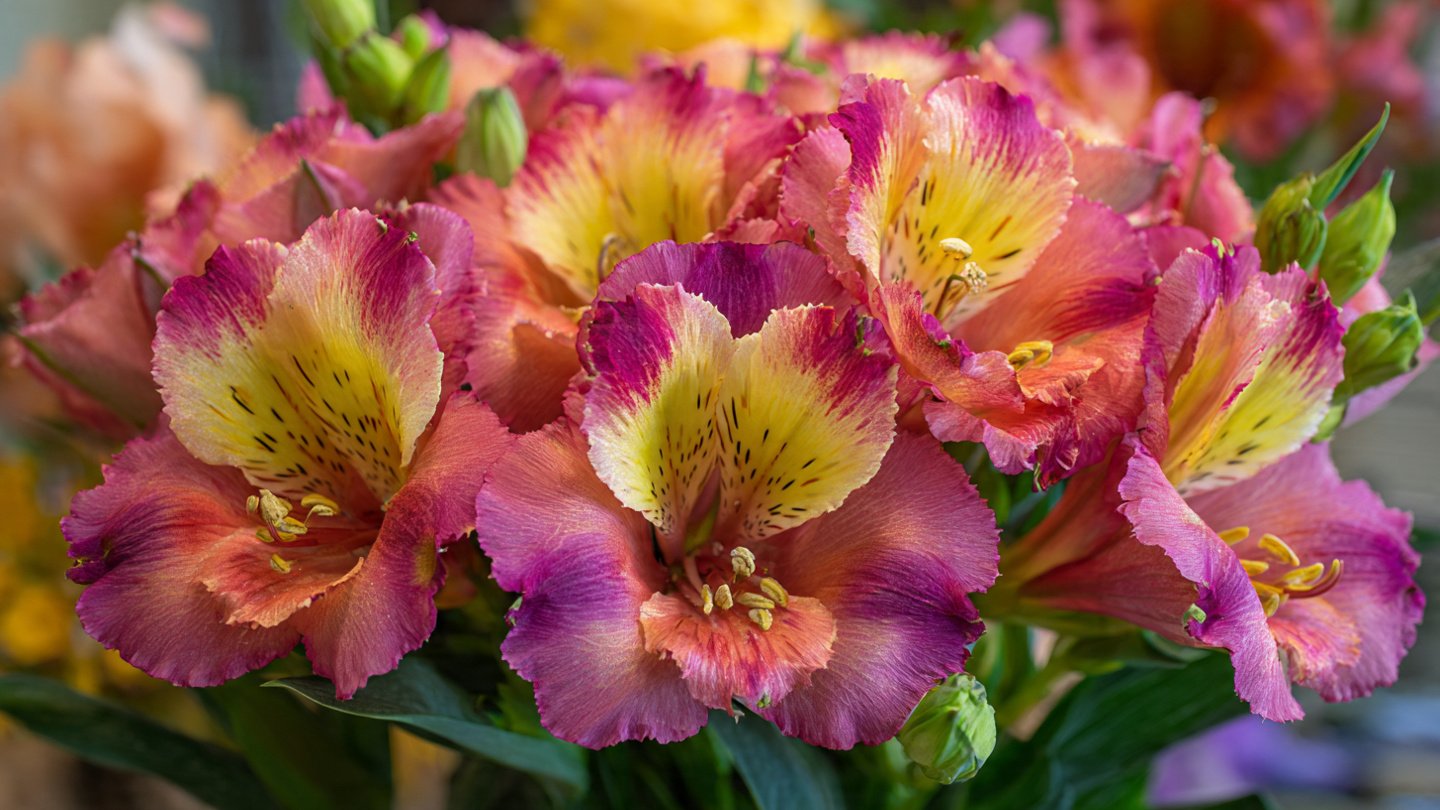
Indoor flowers not only beautify your living space but also enhance your mood and purify the air. Growing vibrant and showy indoor flowers requires careful planning and attention to detail. This article discusses the best strategies to cultivate these stunning plants in your home, covering topics such as choosing the right flowers, optimal care routines, environmental considerations, pest management, and more.
1. Choosing the Right Indoor Flowers
1.1 Assessing Your Space
Before selecting flowers, assess the conditions of your indoor space. Consider factors like:
- Light Availability: Determine how much natural light your space receives. Some plants thrive in bright, direct sunlight, while others prefer indirect light or shade.
- Humidity Levels: Different flowers have various humidity requirements. Tropical plants often thrive in higher humidity, while succulents prefer drier conditions.
- Temperature Fluctuations: Most indoor plants thrive in temperatures ranging from 65°F to 75°F (18°C to 24°C). Avoid areas with drafts or extreme temperature changes.
1.2 Selecting Flower Varieties
Once you understand your space, choose flower varieties suited to those conditions. Here are some popular indoor floral choices:
- African Violets: These small, colorful flowers thrive in bright, indirect light and can bloom year-round.
- Orchids: Known for their intricate blooms, orchids can flourish with minimal care if provided with the right light and humidity.
- Peace Lily: With striking white blooms, peace lilies thrive in low light and need regular watering to flourish.
- Gerbera Daisies: These bright flowers are perfect for sunny windowsills and add a cheerful vibe to any room.
1.3 Considerations for Plant Size
When selecting indoor flowers, consider their mature size. Some plants can grow significantly, so ensure you have adequate space to accommodate them.
2. Optimal Care Routines
2.1 Watering
Proper watering is critical for maintaining healthy, vibrant flowers. Here are some tips:
- General Rule: Water most indoor flowers when the top inch of soil feels dry. Overwatering can lead to root rot, while underwatering can cause wilting.
- Water Quality: Use room temperature, purified, or distilled water to avoid chlorine and other chemicals.
2.2 Fertilizing
To promote flowering and healthy growth, fertilize your indoor flowers:
- Frequency: Use a balanced liquid fertilizer every 4-6 weeks during the growing season (spring and summer). Reduce fertilization in fall and winter.
- Type of Fertilizer: Look for fertilizers high in phosphorus (the middle number in N-P-K ratios) to encourage blooming.
2.3 Pruning and Deadheading
Regular pruning and deadheading (removing wilted flowers) encourage new growth and prolong blooming:
- Pruning: Trim away dead or yellowing leaves to maintain plant health.
- Deadheading: Remove spent blooms to encourage the plant to produce new flowers.
3. Environmental Considerations
3.1 Light Requirements
Indoor flowers need appropriate light to thrive:
- Positioning Plants: Place your plants according to their light needs. For example, a south-facing window is ideal for sun-loving species.
- Supplemental Lighting: In darker seasons, consider using grow lights to supplement natural light.
3.2 Humidity and Temperature
Most indoor flowers thrive in humidity levels between 40% and 60%. Here are some strategies to maintain this:
- Humidity Trays: Place a shallow tray filled with water and pebbles under your plants to increase humidity.
- Misting: Occasionally mist your flowers if they prefer a more humid environment.
- Temperature Regulation: Avoid placing flowers near heating vents, drafty windows, or significant temperature fluctuations.
4. Pest Management
Pests can drastically affect the health and appearance of your indoor flowers. Here are some preventive measures:
4.1 Regular Inspection
Conduct regular checks for pests such as aphids, spider mites, and mealybugs. Look for any signs of infestation, such as discolored leaves or webbing.
4.2 Natural Remedies
If you notice pests, try these natural remedies before resorting to chemicals:
- Soap Sprays: Mix mild liquid soap with water and spray it on affected plants.
- Neem Oil: This natural pesticide is effective against a variety of pests. Dilute it with water as per package instructions and apply to affected areas.
4.3 Quarantine New Plants
Always quarantine new plants for a couple of weeks before introducing them to your collection. This helps prevent any potential pests from spreading.
5. Repotting and Soil
5.1 Choosing the Right Potting Mix
A well-draining potting mix is crucial for indoor flowers. Look for a mix formulated for flowering plants, which often contains ingredients like peat moss, perlite, and vermiculite.
5.2 Repotting
As your flowers grow, they may need repotting:
- Frequency: Repot flowering plants every 1-2 years to provide fresh soil and more space for roots.
- Signs for Repotting: Look for roots growing out of drainage holes, or if the plant appears crowded and stunted.
6. Encouraging Blooming
Some indoor flowers require specific conditions or practices to encourage blooming:
6.1 Specific Requirements
- Chilling Periods: Some plants, like tulips, benefit from a chilling period to encourage flowering.
- Pruning Practices: Understand which plants benefit from pruning after blooming to encourage a second blooming season.
6.2 Seasonal Changes
Adjust care as seasons change. During fall and winter, many plants enter a dormant phase and require less water and fertilizer.
7. Final Tips for Success
- Research Individual Plant Needs: Different plants have different requirements; familiarize yourself with the specific needs of your chosen varieties.
- Be Patient: Plants may take time to acclimatize and bloom; be patient and attentive.
- Keep a Journal: Document your care routine, observations, and any changes you notice in your plants. This will help you refine your gardening techniques over time.
FAQs
Q1: How often should I water my indoor flowers?
A1: Most indoor flowers should be watered when the top inch of soil feels dry. This usually ranges from once a week to every two weeks, depending on the plant type and environmental conditions.
Q2: Can I use regular garden soil for indoor flowers?
A2: It’s best to use a specially formulated potting mix for indoor plants. Garden soil can be too dense, hold excessive moisture, and may contain pests or diseases.
Q3: Why are my indoor flowers not blooming?
A3: Lack of light, insufficient nutrients, or improper watering can prevent blooming. Ensure your plants have adequate light, proper nutrition, and refrain from overwatering.
Q4: Is it necessary to repot indoor flowers?
A4: Yes, repotting every 1-2 years is essential to refresh the soil and provide enough space for root growth. Repot when you notice roots coming out of drainage holes.
Q5: How can I increase humidity for my indoor flowers?
A5: Increase humidity by using humidity trays, misting your plants, or placing a humidifier in the room where your flowers are located.
By following these strategies, you can successfully cultivate vibrant and showy indoor flowers that will brighten your home and enhance your living space. With proper care, attention, and a bit of patience, your indoor garden will thrive, providing you with beauty and joy for years to come.