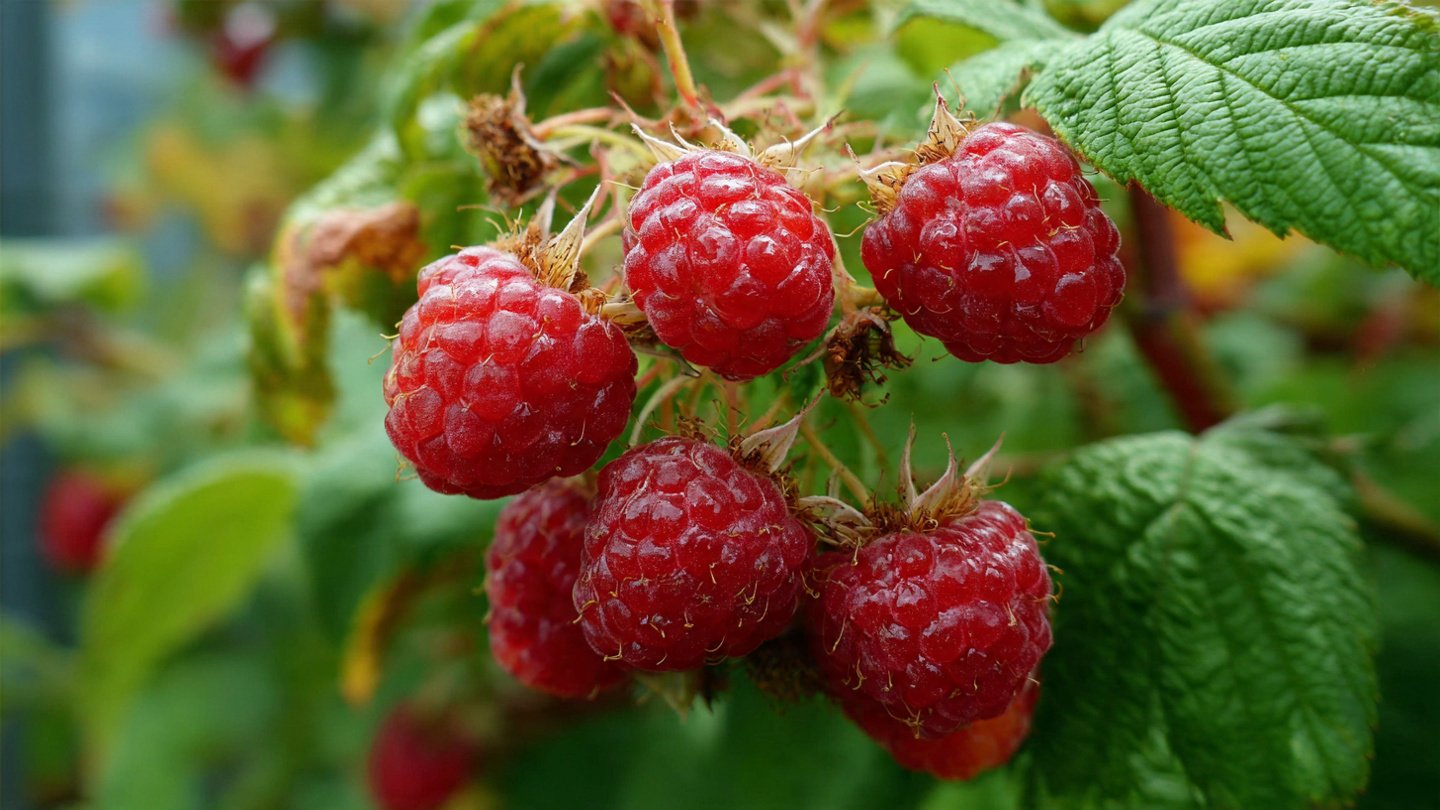
Growing raspberries can be a rewarding experience for any gardener, and with the introduction of thornless varieties, the task has become even more appealing. Thornless raspberries not only reduce the risk of cuts and scrapes during harvesting but also make the process enjoyable. In this comprehensive guide, we’ll explore the steps to successfully grow thornless raspberry varieties, ensuring you enjoy a bountiful harvest.
Understanding Thornless Raspberries
Thornless raspberries, as the name suggests, are varieties that do not have the sharp thorns typically found on traditional raspberries. They are often bred for their ease of harvest and overall management. Popular varieties include ‘Heritage’, ‘Fall Gold’, and ‘Navaho’, each with unique characteristics. These varieties offer not only convenience but also delicious berries, making them an excellent addition to your garden.
1. Selecting the Right Variety
The first step in growing thornless raspberries is selecting the right variety that suits your climate and soil conditions. Here are a few notable thornless varieties:
- Heritage: Known for its high yield and adaptability, this variety produces large, firm berries that are perfect for fresh eating or preserving.
- Fall Gold: These berries are a beautiful golden color and have a sweet flavor, making them a hit for desserts.
- Navaho: With an upright growth habit and excellent disease resistance, this variety produces sweet, flavorful raspberries throughout the summer.
When choosing a variety, consider your local climate, as some raspberries are better suited for colder regions while others thrive in warmer climates.
2. Site Selection
Raspberries thrive in well-drained soil with plenty of sunlight. Here are critical factors to consider:
- Sunlight: Choose a location that receives at least 6 to 8 hours of direct sunlight daily. More sunlight typically results in better yields.
- Soil: Ideally, raspberries prefer sandy loam or loamy soil enriched with organic matter. The pH should be between 5.5 and 6.8. Conduct a soil test if you are unsure about your soil’s pH level.
3. Preparing the Soil
Preparing the soil is essential for successful raspberry cultivation. Here’s how to do it:
- Clear the Area: Remove any weeds, rocks, or debris from the planting site.
- Soil Amendment: Incorporate organic matter such as compost or well-rotted manure to enhance fertility and drainage.
- Tilling: Loosen the soil to a depth of about 12 inches, allowing for better root penetration.
4. Planting Thornless Raspberries
Once you’ve selected your variety and prepared the soil, it’s time to plant. Here’s how:
- Timing: The best time to plant raspberries is in early spring or late fall when the plants are dormant.
- Spacing: Space each plant 2 to 3 feet apart to allow for proper airflow and growth. Rows should be spaced about 6 to 8 feet apart.
- Depth: Plant the raspberry canes upright with the roots spread out, ensuring the crown is at soil level.
5. Watering and Irrigation
Raspberries require consistent moisture, especially during fruiting. Here are some tips:
- Frequency: Water regularly, providing about 1 to 1.5 inches of water per week.
- Irrigation Systems: Drip irrigation is ideal as it delivers water directly to the roots while keeping the foliage dry, reducing the risk of diseases.
6. Fertilization
To achieve a bountiful harvest, fertilization is crucial. Consider the following:
- Early Spring: Apply a balanced fertilizer (like 10-10-10 NPK) according to the instructions for your plant size. Avoid excess nitrogen, as it can lead to rampant leaf growth at the cost of fruit.
- Mid-Season: A light reapplication of fertilizer in July can be beneficial based on soil tests and plant health.
7. Pruning the Plants
Pruning plays a significant role in maintaining healthy thornless raspberry plants. Follow these guidelines:
- Early Spring: Cut back any dead or weak canes at the base. Keep strong, healthy canes, which should be 4 to 5 feet tall.
- Summer: After fruiting, remove the spent canes (the ones that bore fruit). For everbearing types, you may want to leave some canes for a fall harvest.
Proper pruning enhances airflow, light penetration, and encourages new growth, leading to a more substantial harvest.
8. Pest and Disease Management
Thornless raspberries, like all fruit-bearing plants, can be susceptible to pests and diseases:
- Common Pests: Watch for aphids, spider mites, and raspberry beetles. Use organic remedies such as neem oil or insecticidal soap.
- Diseases: Fungal diseases like powdery mildew can be prevented through proper spacing and pruning. Ensure good air circulation.
Regularly inspect your plants for signs of stress or infestation and take prompt action to mitigate any issues.
9. Harvesting Thornless Raspberries
Harvesting is the most gratifying part of growing raspberries. Here’s how to do it properly:
- Timing: Raspberries are ready to harvest when they are fully colored and come off the stem easily with a gentle tug.
- Technique: Use both hands to carefully hold the fruit and twist it off with minimal pressure to prevent bruising.
10. Post-Harvest Care
After the harvest, it is essential to care for your plants:
- Cleaning: Clear the area of any fallen fruit or plant debris to prevent disease.
- Mulching: Apply a layer of mulch to retain moisture and suppress weeds during the off-season.
Conclusion
Growing thornless raspberries can be a rewarding gardening endeavor. By following these key steps—from selecting the right variety and preparing your site to proper care and harvesting—you can enjoy a bountiful harvest of delicious, fresh raspberries with minimal hassle. With patience and dedication, your thornless raspberry plants can thrive, providing you with plump fruits season after season.
FAQs
1. How do I know which thornless raspberry variety is best for my region?
Research local gardening resources or consult with a nearby nursery that specializes in berries. They can provide insights on which varieties perform best in your climate.
2. Can I grow thornless raspberries in containers?
Yes, thornless raspberries can be grown in containers. Choose a large pot (at least 5 gallons) with good drainage and use high-quality potting soil.
3. How often should I prune my thornless raspberries?
Prune your plants annually in early spring to remove dead or weak canes and after fruiting to remove canes that have borne fruit.
4. What should I do if my raspberries are not producing fruit?
Check that they are receiving enough sunlight, water, and nutrients. If they’re young plants, they may need more time to establish their root systems for fruit production.
5. Are thornless raspberries more susceptible to pests?
Not necessarily. While all plants can attract pests, the absence of thorns may make it easier to access the plants for care; proper management practices can keep pests at bay.
By attentively following these guidelines, you’ll be well on your way to cultivating delicious thornless raspberries that will delight your taste buds and grace your table. Happy gardening!