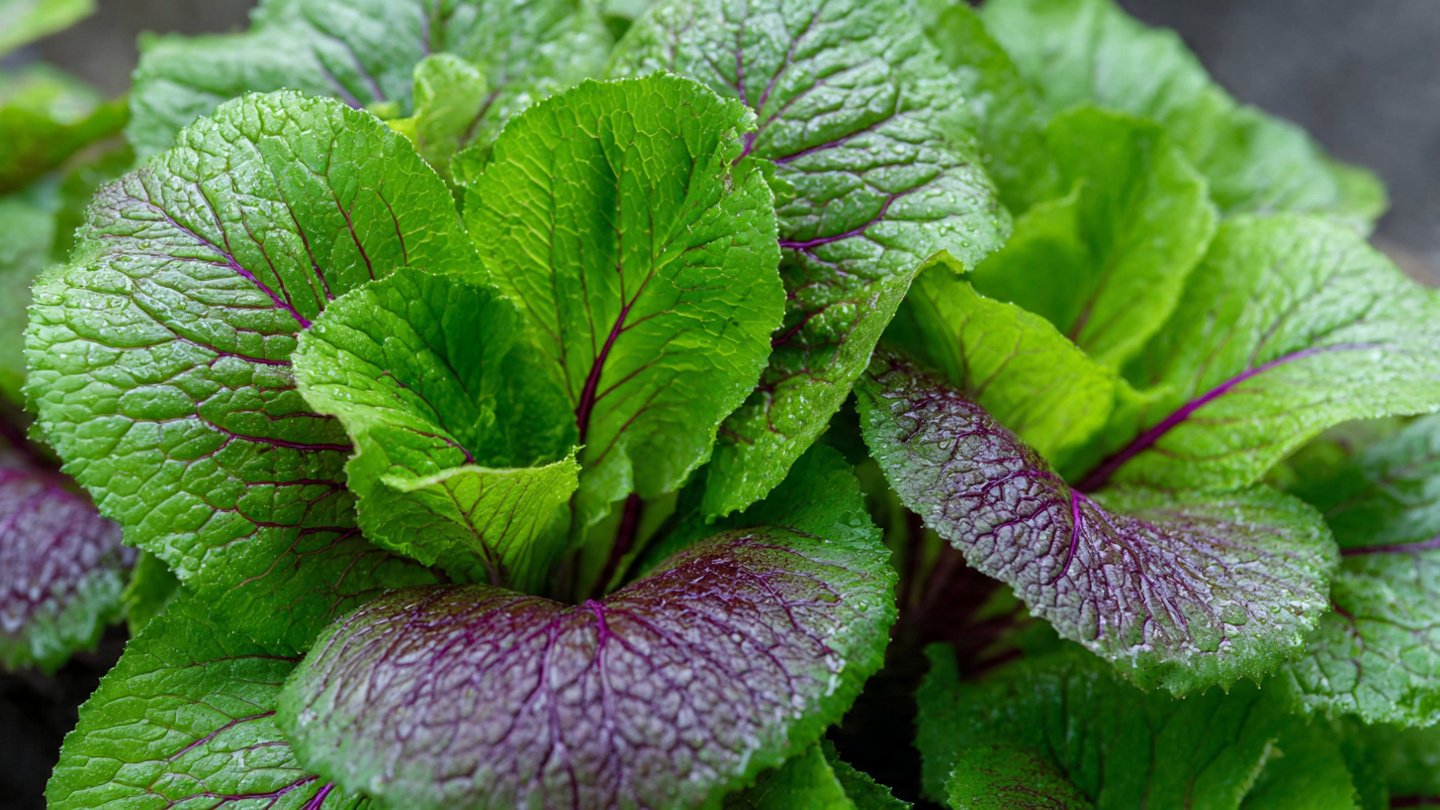
Mustard greens, renowned for their vibrant green leaves and peppery taste, are not only a culinary delight but also packed with nutrients such as vitamins A, C, and K. Growing mustard greens using the “cut and come again” method is an effective way to enjoy fresh greens over an extended season. This technique involves harvesting leaves while allowing the plant to continue growing, offering repeated yields. In this article, we’ll delve into the steps for successful cultivation, care, and harvesting of mustard greens using this method.
Understanding Mustard Greens
Mustard greens belong to the Brassica family, which includes other popular vegetables like cabbage and broccoli. They thrive in cooler weather, making them suitable for spring and fall planting. Their slightly bitter, peppery flavor enhances a variety of dishes, from salads to stir-fries.
Benefits of Growing Mustard Greens
- Nutritional Value: Rich in antioxidants, fiber, and essential nutrients.
- Quick Growth: They typically mature within 30-45 days.
- Space Efficient: Can be grown in small gardens or containers.
- Versatile: Their culinary uses range from salads to cooked dishes.
Step-by-Step Guide to Growing Mustard Greens
Step 1: Choosing the Right Variety
Before you begin, choose the right mustard green variety based on your taste preference and climate. Common varieties include:
- Southern Giant Curled: Known for its frilled leaves and robust flavor.
- Purple Mustard: Offers a beautiful hue and milder taste.
- Tendergreen: Has smooth, tender leaves, ideal for salads.
Step 2: Preparing the Soil
Mustard greens prefer well-draining, rich soil with a pH of 6.0-6.8. Here’s how to prepare your soil:
- Location: Choose a site that gets at least 4-6 hours of sunlight daily.
- Soil Testing: Test the pH and amend using lime (to raise pH) or sulfur (to lower pH) as needed.
- Enriching Soil: Work in organic matter such as compost to enhance soil fertility and improve structure.
Step 3: Sowing Seeds
You can start mustard greens from seeds directly in the garden or in seed trays indoors:
- Direct Sowing: Sow seeds ¼ inch deep and 1 inch apart in rows that are spaced about 12 inches apart.
- Indoor Seed Starting: Start seeds in seed trays about 6 weeks before the last frost date. Transplant seedlings when they have 2-3 true leaves.
Step 4: Watering and Fertilizing
Mustard greens need consistent moisture and nutrients to thrive:
- Watering: Keep the soil evenly moist but not waterlogged. Water in the early morning to prevent disease.
- Fertilizing: Apply a balanced fertilizer every 4-6 weeks or use organic options like compost tea.
Step 5: Thinning Seedlings
Once seedlings are about 2 inches tall, thin them to allow for adequate spacing:
- Thinning Process: Remove the weaker seedlings, keeping the strongest. Aim for spacing of about 6 to 8 inches between plants.
Step 6: Pest and Disease Management
Mustard greens can be susceptible to pests such as aphids and caterpillars, and diseases like downy mildew. Here’s how to manage them:
- Monitor Regularly: Check plants for signs of pests or disease.
- Natural Pest Control: Use insecticidal soap or neem oil for pest control. Hand-pick caterpillars when possible.
- Crop Rotation: Avoid planting brassicas in the same spot each year to prevent disease build-up.
Step 7: Implementing the Cut and Come Again Method
The “cut and come again” method allows you to harvest greens without uprooting the entire plant:
- Timing: Begin harvesting when leaves are about 4-6 inches long.
- Harvesting Technique: Use scissors or garden shears to cut leaves just above the leaf node, leaving the inner leaves intact. This encourages new growth.
- Frequency: Regularly harvest every 7-10 days to encourage continuous growth.
Step 8: Post-Harvest Care
After harvesting, provide the plant with care to ensure further yield:
- Water: Continue to keep plants well-watered, especially after cutting.
- Fertilize: Consider a light application of nitrogen fertilizer after harvesting to promote regrowth.
Step 9: Enjoying Your Harvest
Mustard greens are best enjoyed fresh but can also be stored:
- Storage: Keep harvested greens in a cool, humid environment (like the fridge) in a perforated plastic bag for up to a week.
- Culinary Uses: Use raw in salads, sautéed with garlic, or added to soups.
Tips for Success
- Companion Planting: Grow mustard greens alongside plants like beans or carrots, which can help deter pests.
- Crop Rotation: To prevent soil depletion and disease buildup, rotate mustard greens with leguminous plants that fix nitrogen in the soil.
- Seasonal Awareness: Monitor weather conditions; mustard greens can bolt (flower and go to seed) if temperatures soar.
Common Issues and Solutions
- Bolting: If greens begin to flower, it’s a sign of warm weather stress. To prevent this, plant in cooler months or provide shade during heatwaves.
- Yellowing Leaves: This may indicate nutrient deficiency or overwatering. Adjust care as needed.
- Limited Growth: Ensure they’re not overcrowded and check soil quality.
FAQs about Growing Mustard Greens
Q1: How often can I harvest mustard greens using the cut and come again method?
A1: You can typically harvest every 7-10 days once the plants have reached a sufficient size.
Q2: Can mustard greens be grown in containers?
A2: Yes, mustard greens can be successfully grown in containers. Ensure your container is at least 10-12 inches deep and has good drainage.
Q3: What is the best time to plant mustard greens?
A3: The best planting time is in early spring or late summer/early fall, depending on your climate.
Q4: Do mustard greens require full sun?
A4: While they thrive in full sun, they can tolerate partial shade. However, more sunlight generally promotes better growth and flavor.
Q5: Are mustard greens frost-tolerant?
A5: Yes, mustard greens can tolerate light frost, making them a great choice for cool-season gardens.
Q6: Can I grow mustard greens year-round?
A6: Yes, in mild climates, you can grow mustard greens year-round, but in colder regions, they are best planted as a cool-season crop.
Conclusion
Growing mustard greens through the “cut and come again” method not only maximizes your harvest but also provides fresh greens right at your fingertips. Whether you have a sprawling garden or a modest balcony, this method is accessible to gardeners of all skill levels. By following these simple steps, you can enjoy the delightful taste and numerous health benefits of mustard greens while contributing to a sustainable gardening practice. Happy gardening!