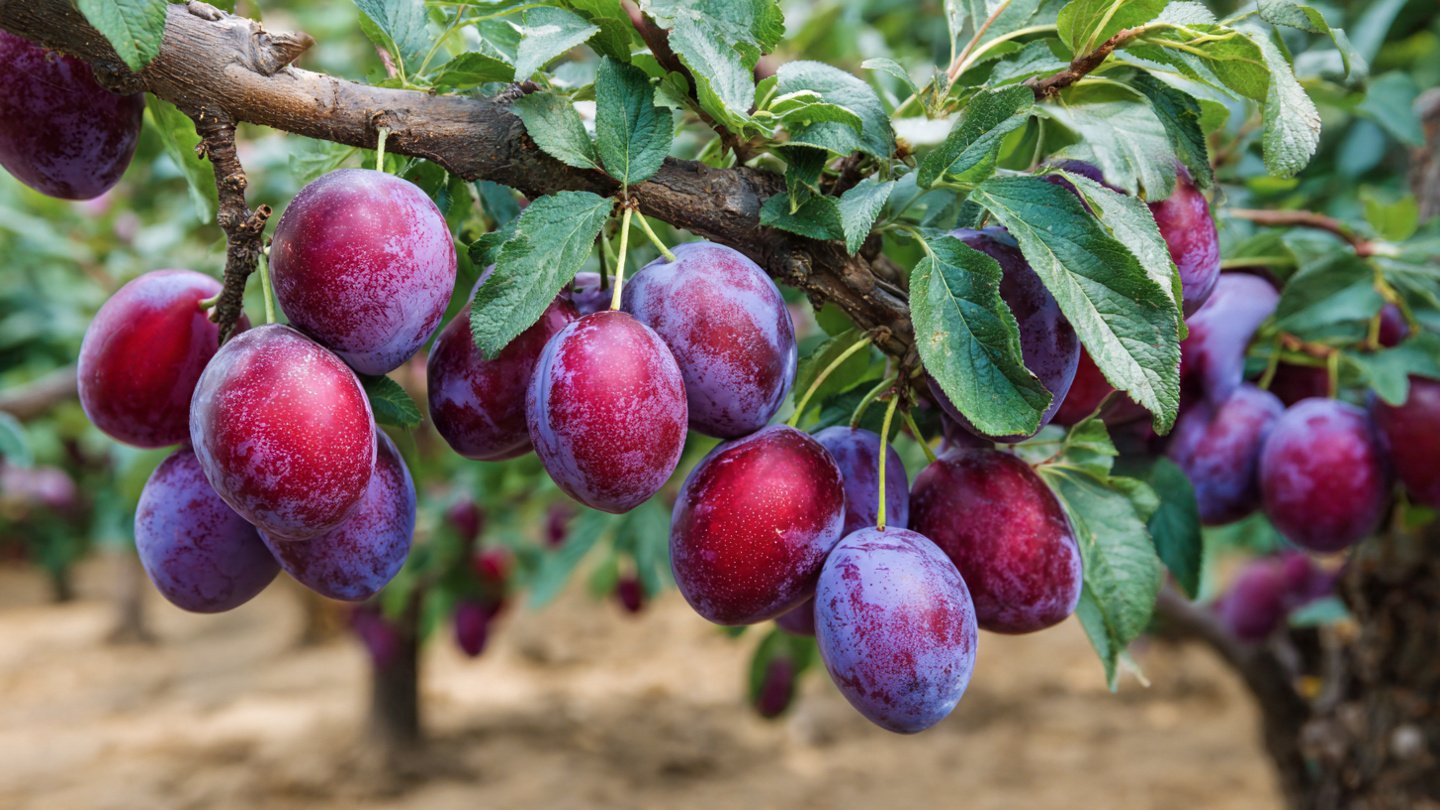
Growing plums can be a rewarding experience, whether you’re a hobbyist gardener or a professional fruit grower. One of the most critical factors influencing the success of your plum trees is the soil mix in which they are planted. In this comprehensive guide, we will cover everything you need to know about creating the perfect plum soil mix for optimal growth and fruit production.
Understanding Plum Tree Requirements
Plum trees thrive in specific conditions concerning soil type, pH, drainage, and nutrient levels. It is essential to understand these requirements before you create your soil mix.
1. Soil Type
Plums prefer sandy loam soil that is well-drained yet retains some moisture. This type of soil provides a balanced combination of drainage and nutrient retention. Heavy clay soils can impede root growth and lead to waterlogging, which can be detrimental to plum trees.
2. Soil pH
The ideal pH level for plum trees ranges from 6.0 to 7.5. You can test your soil’s pH with a simple soil pH test kit available at garden centers. If your soil is too acidic (below 6.0), you may need to amend it with lime. Conversely, if your soil is too alkaline (above 7.5), elemental sulfur can help bring it back to the desired range.
3. Drainage
Proper drainage is vital for the healthy growth of plum trees. Waterlogged roots can lead to root rot and other diseases. It is crucial to ensure that your soil mix has adequate drainage capabilities.
4. Nutrients
Plum trees require a balanced supply of essential nutrients including nitrogen, phosphorus, potassium, calcium, magnesium, and sulfur. Make sure your soil mix includes components that release these nutrients slowly, allowing the tree to absorb them as needed.
Components of an Ideal Plum Soil Mix
To create the perfect soil mix for plum trees, you will need several components, each serving a unique purpose:
1. Base Ingredients
-
Sandy Loam: This should be the primary component of your soil mix. It provides a light, well-draining foundation that can hold moisture and nutrients.
-
Compost: Aged compost enriches the soil with organic matter, improving structure, nutrient content, and water retention. Ensure that the compost is well-aged to avoid burning the roots.
2. Amendments
-
Perlite or Vermiculite: These lightweight materials improve aeration and drainage within the soil mix.
-
Peat Moss: While it holds moisture, it also helps maintain soil structure when mixed with sandy loam.
-
Garden Lime: If you need to raise the soil pH, adding garden lime can help achieve the desired level.
-
Elemental Sulfur: This can be incorporated if you need to lower the soil pH.
3. Nutrient Additives
-
Balanced Fertilizers: Incorporate a slow-release balanced fertilizer (10-10-10 NPK) to provide essential nutrients during the growth period.
-
Bone Meal: This can be added for an extra boost of phosphorus, which is crucial for root development and flowering.
-
Wood Ash: If used in moderation, it can raise soil pH and add potassium, benefitting fruit production.
Step-by-Step Guide to Creating Your Soil Mix
Step 1: Gather Your Ingredients
Start by collecting the base ingredients and amendments mentioned above. Ensure that all components are clean and free from contaminants.
Step 2: Test Your Soil
Use a soil pH test kit to measure the current pH. Adjust the soil as needed using lime or sulfur.
Step 3: Mix the Base
Combine the sandy loam and aged compost in a wheelbarrow or mixing container. A good starting ratio is 60% sandy loam to 40% compost.
Step 4: Add Amendments
Incorporate perlite or vermiculite, peat moss, garden lime, or elemental sulfur as needed based on your initial soil test. Aim for a 10-20% addition of amendments to your base mix.
Step 5: Nutrient Additives
Stir in your chosen slow-release fertilizer, bone meal, and wood ash. Be mindful of the quantities, as over-application of fertilizers can harm your plants.
Step 6: Mix Thoroughly
Make sure to combine all components well until you achieve a consistent texture. This step is crucial for even nutrient distribution.
Step 7: Test the Final Mix
Once mixed, test the pH and nutrient content of your final soil mix. Making adjustments at this stage can save you significant headaches later.
Planting and Care Tips
After preparing the perfect soil mix, follow these tips for successful plum tree planting and care:
1. Planting Depth
When planting your plum tree, dig a hole that is as deep as the root ball and slightly wider. Backfill the hole with your customized soil mix, ensuring the root flare of the tree is at soil level.
2. Watering
Water the tree immediately after planting. Establish a regular watering schedule, especially during dry periods. Ensure that rainfall or irrigation does not lead to waterlogged conditions.
3. Mulching
Apply a 2-4 inch layer of organic mulch around the base of the tree. This helps retain moisture, suppress weeds, and gradually adds nutrients to the soil as it breaks down.
4. Fertilizing
Start fertilizing your plum tree in early spring with a balanced fertilizer. Follow the recommended application rates, and avoid over-fertilizing.
5. Pruning
Prune your plum trees during winter to encourage healthy growth and maximize fruit production. Remove any dead or diseased branches and thin the canopy to enhance airflow.
6. Pest and Disease Control
Regularly check for pest infestations and signs of diseases. Use organic or chemical treatments as necessary, keeping environmental impact in mind.
Common Mistakes to Avoid
-
Ignoring Soil pH: Not testing or adjusting soil pH can lead to nutrient deficiencies that affect growth and fruit production.
-
Overwatering: Excessive moisture can drown roots and encourage root rot. Ensure proper drainage.
-
Neglecting Nutrient Needs: Failing to provide a balanced supply of nutrients can slow growth and reduce fruit quality.
-
Planting in Poor-Quality Soil: Avoid using soil that is too compact or heavy; this will impede root development.
FAQs
1. How often should I test my soil after planting my plum tree?
You should retest your soil pH and nutrient levels every couple of years or whenever you notice signs of poor growth or nutrient deficiencies.
2. Can I use potting soil for plum trees?
Potting soil is typically designed for container plants and may not provide the drainage needed for plum trees. It’s best to use a soil mix tailored for permanent planting.
3. How can I tell if my soil is too heavy?
If you notice poor drainage, standing water, or slow root growth, your soil may be too heavy. Adjust by incorporating amendments like perlite or adding organic matter.
4. Should I amend existing soil before planting?
Yes, amending existing soil with compost, perlite, peat moss, or lime can significantly improve its characteristics for plum tree growth.
5. What are the signs of nutrient deficiencies in plum trees?
Common signs include yellowing leaves (nitrogen deficiency), poor fruit set (phosphorus deficiency), and brown leaf edges (potassium deficiency).
6. Can I grow plums in containers?
Yes, you can grow plums in containers, but it is essential to choose a dwarf variety and use a high-quality soil mix that ensures good drainage and aeration.
Conclusion
Creating the perfect plum soil mix is vital for the health and productivity of your plum trees. By understanding their requirements and carefully selecting and mixing your soil ingredients, you can provide a nurturing environment for optimal growth and fruit production. With the right practices, your plum trees will flourish, offering you delicious, sweet fruit for years to come. Happy gardening!