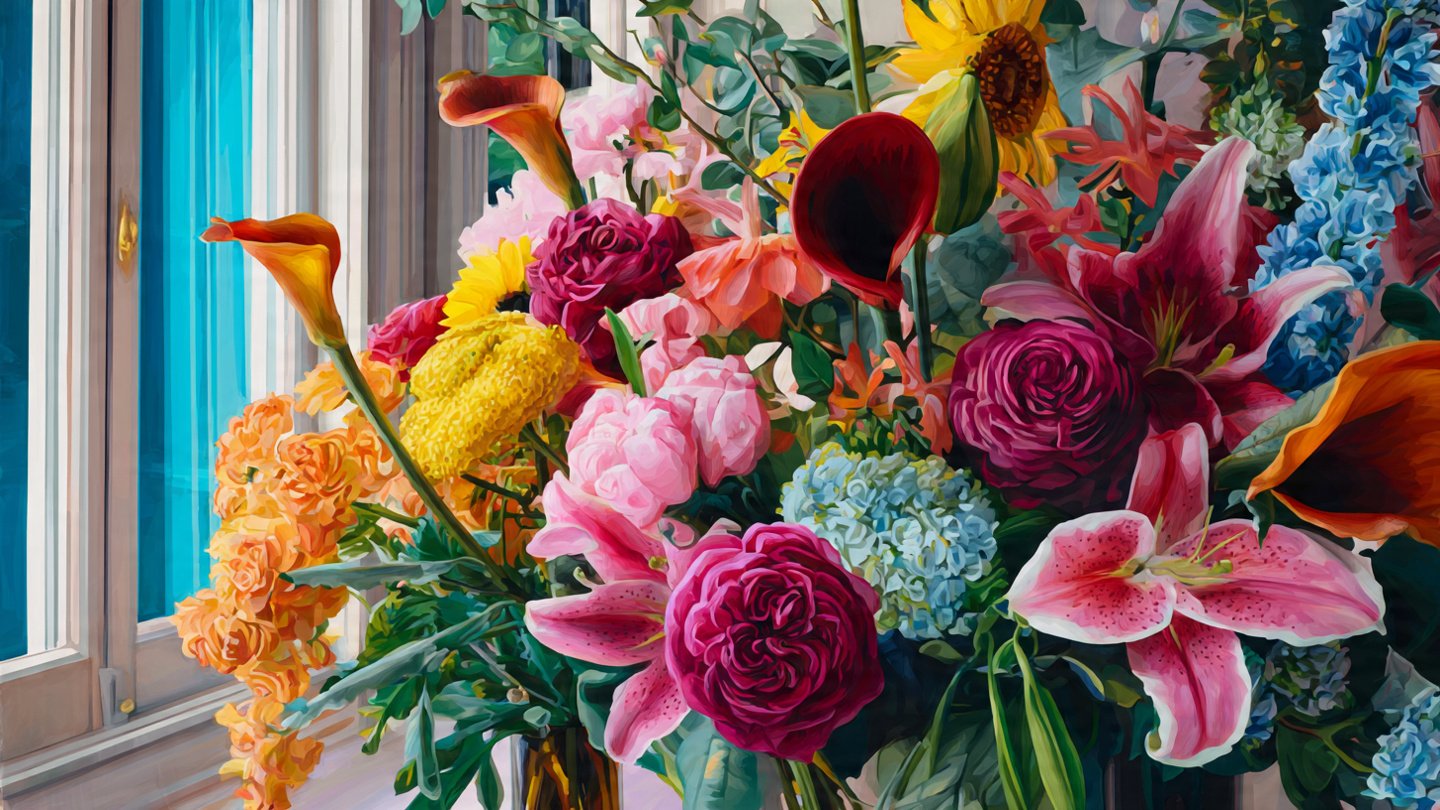
Indoor flowers not only add visual appeal to our living spaces but also contribute to improved air quality and a more positive ambiance. Whether you’re a seasoned gardener or a beginner, understanding how to successfully grow indoor flowers can transform your home environment into a vibrant paradise. This comprehensive guide covers everything you need to know about selecting, caring for, and enjoying indoor flowers.
1. Choosing the Right Indoor Flowers
1.1 Light Requirements
Before purchasing indoor flowers, assess the lighting conditions in your home. Different plants have varying light needs. Here are a few suggestions:
- Low Light: Peace Lily, Snake Plant, and ZZ Plant thrive in low-lit areas.
- Medium Light: Pothos, Spider Plant, and Philodendron prefer indirect sunlight.
- High Light: Succulents, Orchids, and Geraniums enjoy bright, direct light.
1.2 Size and Space Considerations
Consider the space available in your home. Larger plants can become focal points, while smaller flowers can be placed on shelves or tables. You might choose:
- Large Plants: Rubber Plant or Fiddle Leaf Fig.
- Medium Plants: African Violet or Chrysanthemum.
- Small Plants: Miniature Roses or Cacti.
1.3 Seasonal Considerations
Some flowers bloom only seasonally, so think about when you want your indoor garden to thrive. For year-round blooms, consider:
- Winter: Amaryllis, Christmas Cactus.
- Spring: Easter Lily, Gerbera Daisy.
- Summer: Sunflower, Begonia.
- Fall: Mums, African Violets.
2. Essential Indoor Flower Care Tips
2.1 Watering
Watering can be a tricky aspect of indoor gardening. Overwatering is a common mistake:
- Frequency: Adjust according to plant type and season. Most indoor flowers need watering once a week.
- Drainage: Ensure all pots have drainage holes to prevent root rot.
- Moisture Check: Stick your finger about an inch into the soil; if it feels dry, it’s time to water.
2.2 Soil and Fertilization
Using the right soil is crucial for healthy growth:
- Soil Type: Choose a well-draining potting mix designed for indoor plants.
- Fertilization: Feed your flowers with a balanced, water-soluble fertilizer during the growing season (spring and summer) every 4-6 weeks.
2.3 Humidity and Temperature
Indoor flowers often thrive in specific humidity and temperature levels:
- Humidity: Most indoor flowers prefer humidity levels between 40-60%. If your home is dry, consider a humidifier or place water trays near your plants.
- Temperature: Maintain a consistent temperature between 65°F to 75°F (18°C to 24°C) for optimal growth.
2.4 Pruning and Deadheading
Regular maintenance keeps your indoor plants healthy and attractive:
- Pruning: Trim dead leaves and stems to encourage new growth.
- Deadheading: Remove spent flowers to promote further blooming.
3. Creative Arrangements and Display Ideas
3.1 Pots and Containers
Choose stylish pots to complement your home decor. Consider:
- Material: Clay pots offer breathability, while ceramic pots retain moisture.
- Colors: Use colorful pots to brighten up spaces, or neutral tones for a minimalist look.
3.2 Group Planting
Create a vibrant display by grouping plants with similar care needs:
- Variety: Mix flowers with differing heights, colors, and textures for visual interest.
- Arrangement: Use tiered stands or plant shelves to maximize vertical space.
3.3 Seasonal Decorations
Change your indoor flower arrangements with the seasons:
- Winter: Use evergreen branches alongside your flowers for a festive touch.
- Spring: Bring in tulips or daffodils for a fresh, cheerful look.
- Summer: Combine bright flowers with lush greenery for a tropical vibe.
- Fall: Incorporate autumn hues with marigolds and ornamental peppers.
4. Troubleshooting Common Indoor Flower Issues
4.1 Pests and Diseases
Indoor plants can attract pests. Some common threats include:
- Aphids: Small, green insects that can be wiped off with a damp cloth or treated with insecticidal soap.
- Spider Mites: Tiny pests that thrive in dry conditions; increase humidity or use neem oil for control.
- Fungal Infections: Yellowing leaves might indicate overwatering or poor air circulation.
4.2 Environmental Stress
Watch for signs of environmental distress:
- Wilting: Could signify underwatering or overwatering.
- Yellow Leaves: Often a problem with watering practices or nutrient deficiencies.
- Drop of Leaves or Flowers: Usually a response to temperature changes or shock from relocation.
5. Benefits of Growing Indoor Flowers
5.1 Enhanced Aesthetics
One of the most immediate benefits of indoor flowers is their aesthetic appeal. Placing vibrant blooms throughout your home can be a great way to enhance the beauty of your space.
5.2 Health Benefits
Indoor flowers can improve air quality by filtering toxins and adding oxygen to your home. Studies have also shown that having plants indoors can reduce stress, boost mood, and increase overall well-being.
5.3 Increased Humidity
Plants naturally release moisture into the air, helping to reduce dry air conditions, which can improve respiratory health and skin hydration.
6. FAQs about Growing Indoor Flowers
Q1: How often should I water my indoor flowers?
A: It depends on the type of flower and environmental conditions. Generally, once a week is sufficient, but always check the soil moisture before watering.
Q2: Can I use outdoor flowers indoors?
A: While some outdoor flowers can survive indoors, they might not thrive due to differing light and humidity levels. It’s best to choose flowers specifically suited for indoor growth.
Q3: What are the best indoor flowers for beginners?
A: Some great options for beginners include Pothos, Spider Plant, Snake Plant, and Peace Lily, as they are low-maintenance and resilient.
Q4: Do indoor flowers need fertilizer?
A: Yes, most indoor flowers benefit from fertilization during their growing season (spring and summer). Use a balanced, water-soluble fertilizer every 4-6 weeks.
Q5: How do I keep pests away from my indoor flowers?
A: Maintain plant health and cleanliness. Regularly check for pests, and use methods like neem oil or insecticidal soap for treatment. Ensuring proper air circulation can also help prevent infestations.
Q6: Can I bring my indoor flowers outside during the summer?
A: Many indoor plants can benefit from some outdoor time during warm months, but introduce them gradually to avoid shock. Ensure you observe the right light and temperature conditions.
Q7: How do I know when to repot my indoor flowers?
A: Signs that it’s time to repot include roots growing out of the drainage holes, water not soaking in properly, or stunted growth. Typically, repot every 1-2 years.
Q8: What should I do if my indoor flowers aren’t blooming?
A: Check for proper light, watering, and fertilization. Some plants require a dormancy period or specific conditions to bloom, which may include changes in temperature or lighting.
Conclusion
Growing indoor flowers can be a rewarding and fulfilling experience that adds beauty and tranquility to your home environment. By following this ultimate guide, you can create a vibrant indoor garden that not only enhances your living space but also nurtures your well-being. Embrace the joy of flowers and make your home a brighter, warmer place! Happy gardening!