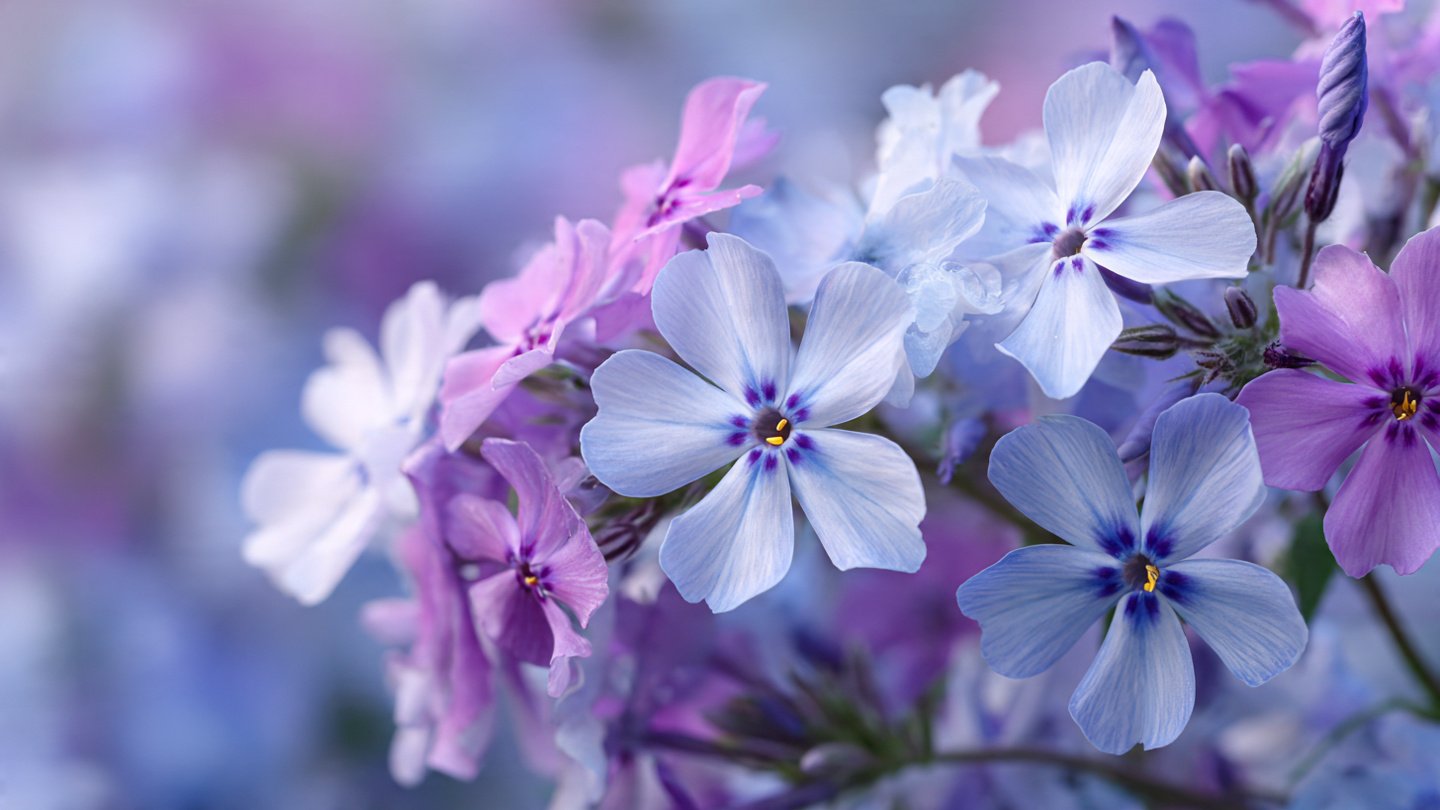
Phlox is a popular flowering plant known for its striking colors and fragrant blooms. These perennial plants come in various species, but many gardeners are particularly fond of Phlox paniculata, or garden phlox, which is celebrated for its resilience and ability to bloom in vibrant hues. While most people grow phlox during spring and summer, growing stunning phlox flowers in winter can be a surprising yet rewarding endeavor. This guide will detail easy hacks for cultivating stunning winter phlox, perfect for beginners looking to brighten their gardens during the colder months.
Understanding Phlox
Before diving into growing phlox, it’s essential to understand its characteristics and the conditions it requires.
Types of Phlox
- Garden Phlox (Phlox paniculata): Known for its tall, sturdy stems and large clusters of flowers, garden phlox can reach heights of 3 to 4 feet.
- Creeping Phlox (Phlox subulata): This variety is lower-growing and often used as ground cover. It’s predominantly seen in rock gardens and hanging baskets.
- Moss Phlox (Phlox decomposita): Primarily used in full-sun gardens, this species also offers low-growing options.
Growing Conditions
Phlox thrives in well-draining soil with plenty of organic matter. They prefer full sun to partial shade and require consistent moisture without being waterlogged.
Easy Hacks to Grow Winter Phlox
1. Choose the Right Variety
For winter flowers, focus on hardy phlox varieties such as Phlox paniculata, which can withstand colder temperatures. Sourcing nursery-grown plants can ensure that you start with strong specimens that are more likely to flourish.
2. Timing Your Planting
Though phlox is commonly planted in the spring, consider planting winter phlox in late summer or early fall. This timing allows the roots to establish before the ground freezes. The plants will enter a dormant phase during winter, ultimately producing vibrant blooms when temperatures rise.
3. Soil Preparation
To create the perfect environment for your phlox, prepare your soil by:
- Testing its pH (6.0 to 7.0 is ideal).
- Amending it with organic compost to improve nutrient content.
- Ensuring proper drainage by mixing sand into heavy clay soils.
4. Planting Techniques
- Spacing: When planting phlox, ensure you space them about 18 to 24 inches apart. This spacing allows for air circulation, which helps prevent fungal diseases.
- Depth: Plant your phlox at the same depth they were growing in their pots. If planting bare-root phlox, ensure the crown (where roots meet the stem) is at soil level.
5. Mulching
Applying a layer of mulch (2 to 3 inches) around your phlox during winter serves multiple purposes:
- Insulation: It helps keep the soil temperature stable, protecting roots during freezing conditions.
- Moisture Retention: Mulch prevents rapid moisture loss, providing a more consistent water supply.
- Weed Control: It reduces competition from weeds that could choke your phlox.
Consider using organic mulch, such as wood chips or straw, which will add nutrients back into the soil as they decompose.
6. Watering Wisely
While phlox enjoys moisture, overwatering can lead to root rot, especially during colder months when evaporation is slow.
- Initial Watering: When newly planted, ensure to water them thoroughly to establish strong roots.
- Winter Watering: During the winter, water only during dry spells, particularly if the ground hasn’t frozen yet.
7. Fertilization
Use a balanced, slow-release fertilizer in early spring to give your phlox the nutrients it needs to perform well once they start to leaf out. Avoid over-fertilizing, as this can compromise flower quality.
8. Pruning and Deadheading
- Deadheading: This technique involves removing spent blooms, which encourages more flowering and prevents plants from going to seed too early.
- Fall Pruning: After the first frost, consider cutting back your phlox to about 6 inches. This helps rejuvenate the plant and prevents winter diseases.
9. Protection from Harsh Conditions
Cold winter winds can damage phlox. Providing a windbreak using evergreen shrubs or fencing can protect your plants. Additionally, in regions with particularly harsh winters, consider covering your phlox with burlap or frost cloth to shield them from extreme cold.
Growing Phlox in Containers
If you have limited space or want to ensure easier management, growing phlox in containers is an excellent option. Here’s how:
- Choose Pots: Select pots at least 12 inches deep with drainage holes.
- Quality Potting Mix: Use a high-quality potting mix, enriched with organic matter for healthy plants.
- Placement: Place the pots in a location that receives full sun to partial shade, protecting them from harsh winds.
- Winter Care: If winter temperatures drop significantly, move pots to a sheltered area, such as a garage or shed, to provide them with a more temperate environment.
Blooming and Enjoyment
With the right care, your phlox will start blooming in late winter to early spring, brightening your garden with their captivating and colorful flowers. Enjoy their beautiful scent as a delightful addition to your garden space.
Common Problems and Solutions
While phlox is generally resilient, some challenges may arise during its growth:
- Powdery Mildew: This fungal disease manifests as a white powdery substance on leaves. Ensure adequate spacing and airflow, and water early in the day to reduce humidity.
- Root Rot: Overwatering can lead to root rot. Ensure proper drainage and avoid consistently soggy soil.
- Pest Issues: Aphids and spider mites are common pests on phlox. Regularly inspect your plants and treat them with insecticidal soap if infestations occur.
FAQs
1. How do I ensure my phlox blooms in winter?
By choosing hardy varieties and planting at the correct time (late summer or early fall), ensuring proper soil conditions, and following care guidelines throughout the winter, you can enjoy blooming phlox even in winter.
2. Can phlox survive in pots during winter?
Yes! However, it is critical to provide adequate protection from extreme temperatures. Consider moving pots to a sheltered location if local conditions become harsh.
3. What is the ideal sunlight requirement for phlox?
Phlox generally prefers full sun to partial shade. Ideally, they should receive at least 6 hours of sunlight daily.
4. How often should I water my winter phlox?
Water is usually only necessary during dry spells in winter. Be careful not to overwater, as this can lead to root rot.
5. Can I divide my phlox plants?
Yes! You can divide phlox every 2-3 years to promote healthy growth and more blooms. Spring is the best time to do this.
6. What should I do if my phlox doesn’t bloom?
Inadequate sunlight, improper watering, or insufficient nutrients might inhibit blooming. Ensure you’re meeting the plant’s basic needs, and consider adjusting your care routine.
Conclusion
Growing stunning winter phlox is a fantastic way to enjoy vibrant blooms even in the colder months. By following the simple hacks laid out in this guide, beginners can successfully cultivate this beautiful perennial and add life and color to their gardens. Whether you’re planting in the ground or containers, with patience and care, your phlox will shine bright, providing joy and beauty through the winter season. Happy gardening!