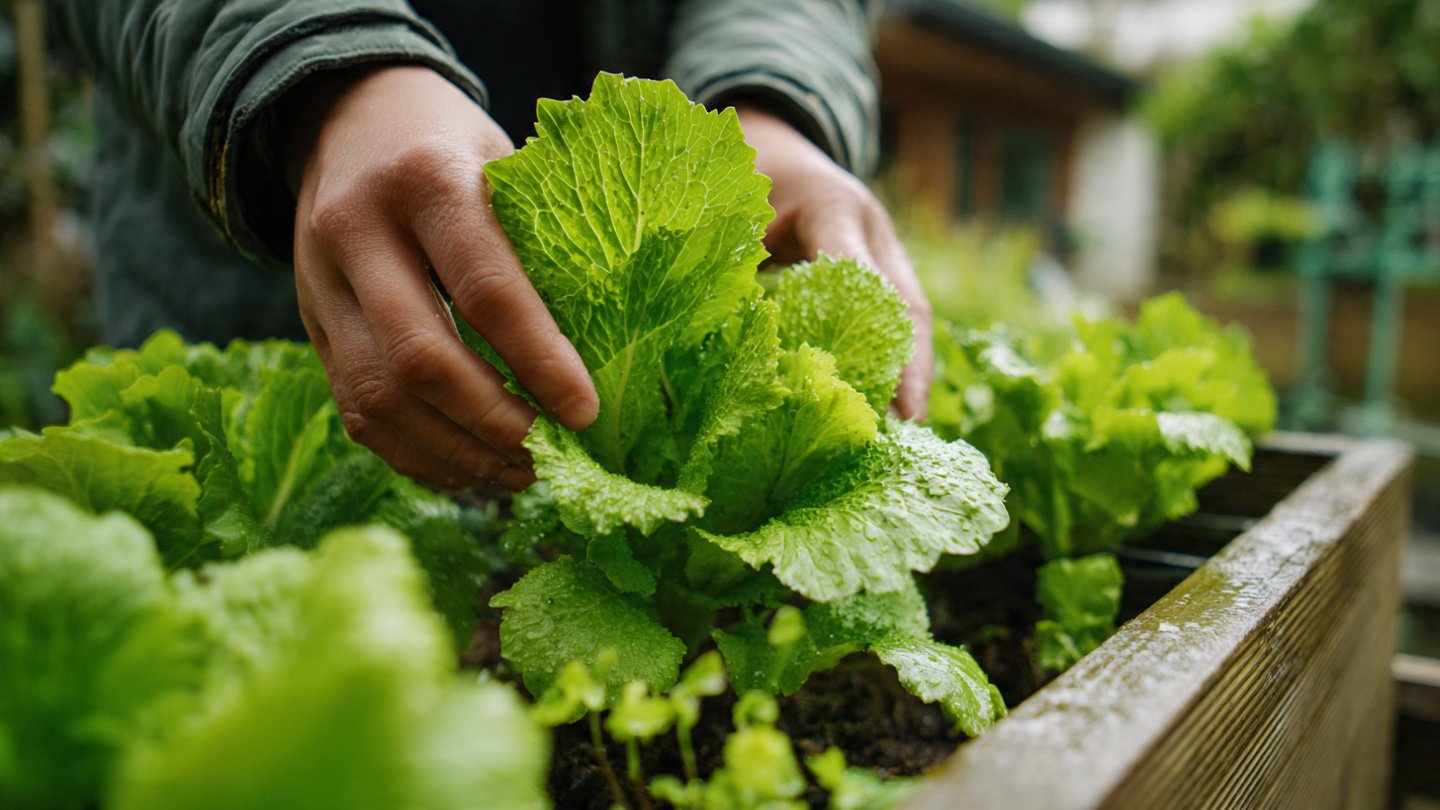
Growing mustard greens in containers is an excellent way to enjoy fresh, nutritious greens, even if you have limited outdoor space. This guide will walk you through the entire process, from choosing the right container to enjoying your home harvest.
Understanding Mustard Greens
Mustard greens, belonging to the Brassica family, are known for their peppery flavor and vibrant green leaves. They are easy to grow, quick to mature, and can be harvested multiple times. Varieties like Southern Curled, Japanese Mustard, and Green Wave are popular among home gardeners.
Nutritional Benefits
Rich in vitamins A, C, and K, mustard greens are also high in calcium, potassium, and antioxidants. Their health benefits include anti-inflammatory properties, improved digestion, and cancer prevention.
Choosing the Right Container
Container Type
When selecting a container for growing mustard greens, consider:
- Material: Choose durable materials like plastic, wood, clay, or ceramic. Ensure they have proper drainage holes to prevent waterlogging.
- Size: A container that is at least 12 inches deep and wide is ideal for providing adequate space for root development.
- Weight: Consider the weight of the container, especially if you plan to move it frequently.
Location
Place your container in an area that receives 6-8 hours of sunlight daily. A bright balcony, patio, or even a sunny kitchen window can work well.
Potting Soil and Fertilizer
Choosing Potting Soil
Use a high-quality potting mix designed for containers. It should:
- Retain moisture without becoming soggy.
- Provide good aeration for root growth.
You can also create your own mix by combining equal parts of peat moss, compost, and perlite.
Fertilization
Mustard greens are heavy feeders, so it’s essential to add nutrients. Use a balanced, slow-release fertilizer at the time of planting. Supplement with liquid fertilizer every 4 to 6 weeks during the growing season.
Planting Mustard Greens
Seeds vs. Transplants
You can grow mustard greens from seeds or transplants (young plants). For beginners, purchasing transplants may be easier, while seasoned gardeners often prefer starting from seeds.
Planting Instructions
- Sow Seeds: If using seeds, plant them about 1/4 inch deep in the potting mix. Space them 2-4 inches apart.
- Transplanting: If using transplants, dig a hole slightly larger than the root ball, place the transplant in, and gently pack the soil around it.
- Watering: Immediately water after planting to settle the soil.
ThinningSeedlings
Once seedlings have 2-3 true leaves, thin them to avoid overcrowding. Leave the strongest plants spaced about 4-6 inches apart.
Watering Mustard Greens
Mustard greens prefer consistently moist soil, but not soggy. Water the plants thoroughly whenever the top inch of soil feels dry. In hot weather, you may need to water daily or every other day.
Signs of Under-Watering
- Leaves appear wilting and droopy.
- Leaves may curl up at the edges.
Signs of Over-Watering
- Soil feels soggy.
- Leaves may turn yellow or develop root rot.
Pest and Disease Management
Common Pests
- Aphids: These small insects can be removed by spraying water or applying insecticidal soap.
- Cabbage Worms: Handpick these pests or use floating row covers to protect your plants.
Disease Prevention
Mustard greens can be prone to diseases like downy mildew or black rot. To prevent these:
- Ensure good air circulation by spacing plants appropriately.
- Avoid overhead watering to reduce humidity around the leaves.
- Practice crop rotation each year.
Harvesting Mustard Greens
When to Harvest
Mustard greens can be harvested at any size. For baby greens, pick when leaves are about 3-4 inches long. For larger leaves, wait until they reach 6-8 inches. Generally, about 30 to 40 days after sowing is the right time for the first harvest.
Harvesting Techniques
Using clean scissors, cut leaves at the base. Harvesting leaves regularly encourages further growth. Aim to leave the inner leaves intact for continuous harvest throughout the season.
Storage and Use of Mustard Greens
Storing Mustard Greens
After harvesting, wash the greens and remove excess moisture. Store in a refrigerator in a sealed container or a plastic bag. Use within a week for the best taste and quality.
Culinary Uses
Mustard greens can be enjoyed raw in salads, sautéed with garlic, or added to soups and stews. Their peppery flavor pairs well with various dishes.
Seasonal Considerations
Mustard greens thrive in cooler weather, making them ideal for spring and fall planting. In regions with mild winters, you can even grow them year-round.
Fall Planting
For fall planting, start seeds indoors 6-8 weeks before the first frost date, then transplant outdoors after the risk of extreme heat has passed.
Tips for Winter Growth
If you aim for a winter harvest, consider using row covers to protect your plants from frost.
FAQs
How deep should my container be for mustard greens?
A container that is at least 12 inches deep is ideal, as it allows adequate space for root development.
Can I grow mustard greens indoors?
Yes! You can successfully grow mustard greens in containers indoors, provided they receive enough sunlight (6-8 hours daily).
How often should I water mustard greens?
Watering should be done whenever the top inch of soil feels dry. During hot weather, you may need to water more frequently.
What is the best fertilizer for mustard greens?
A balanced, slow-release fertilizer is best, supplemented with a liquid fertilizer every 4-6 weeks during the growing season.
How long does it take to grow mustard greens?
Mustard greens typically take 30-40 days to mature from seed to harvest, depending on the variety and growing conditions.
Can mustard greens survive frost?
Yes, mustard greens are cold-tolerant and can survive light frosts, but extreme cold may necessitate protection like row covers.
What should I do if my mustard greens are getting leggy?
Leggy mustard greens can be a sign of inadequate light. Move them to a sunnier location or supplement with grow lights.
How do I store mustard greens after harvesting?
Wash the greens and dry them thoroughly. Store in a sealed container or plastic bag in the refrigerator, preferably used within a week for optimal freshness.
With thoughtful planning and care, you can enjoy the thrill of growing and harvesting your own mustard greens from the comfort of your home. Enjoy the process, and relish the delicious harvest!