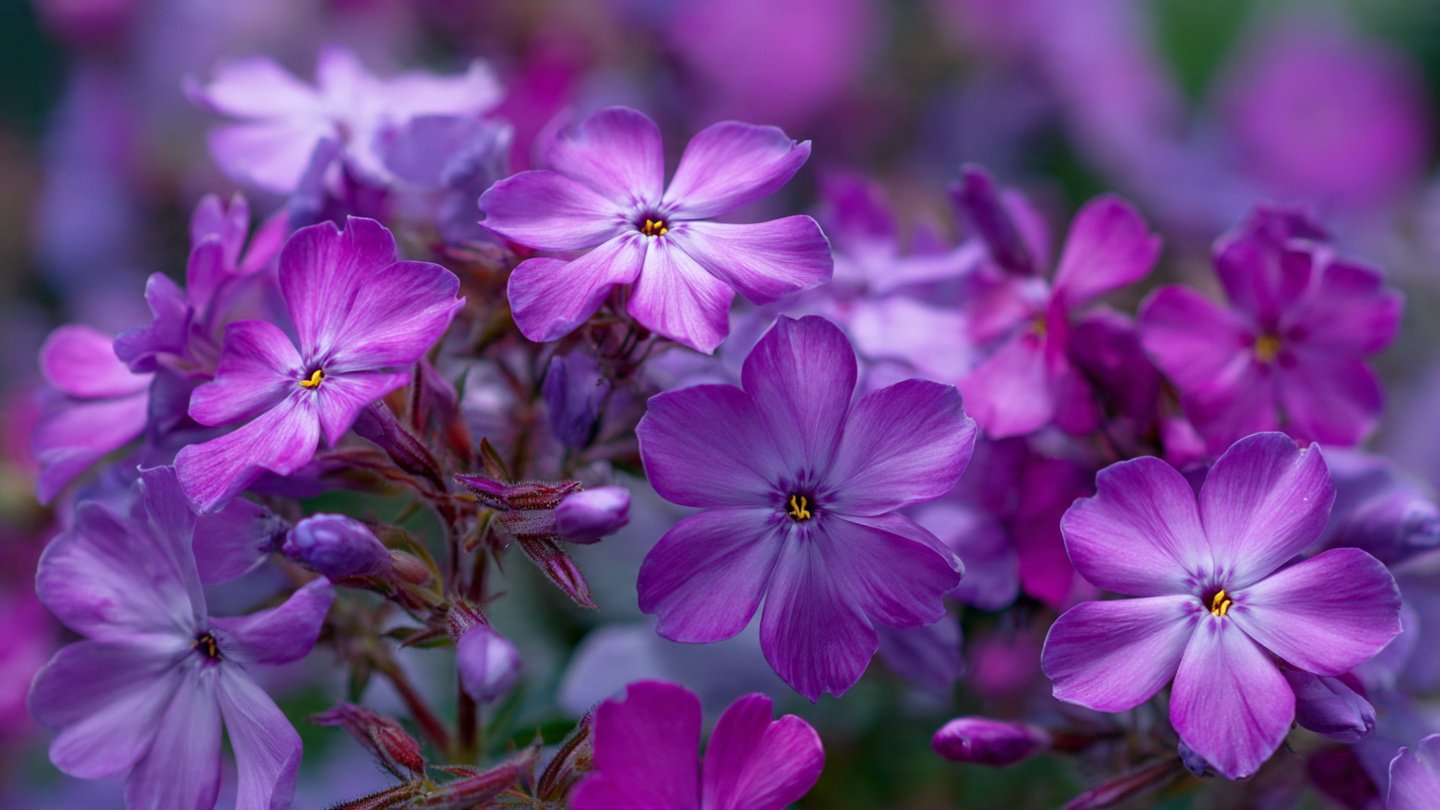
Phlox flowers are known for their vibrant colors and delightful fragrance, and they can transform any garden into a visual masterpiece. While most people enjoy phlox in the summer, winter phlox, specifically Phlox subulata (or creeping phlox), offers an enchanting display when the cold weather sets in. This guide will provide you with an easy approach to successfully growing stunning phlox winter flowers in your garden.
Understanding Phlox Flowers
Phlox is a perennial plant that comes in various species, but two popular types for winter gardens are Phlox subulata and Phlox paniculata. Phlox subulata, often referred to as moss phlox or creeping phlox, is a ground cover variety known for its ability to spread quickly and cover a large area. It thrives in well-drained soil and is often used in alpine gardens, rock gardens, or as an attractive border in flowerbeds.
Characteristics of Phlox Subulata
- Bloom Time: Spring to early summer
- Height: Typically reaches 6 to 12 inches
- Colors: Comes in various shades like pink, purple, white, and blue
- Hardiness: Zones 3 to 9
- Foliage: Evergreen leaves that provide beauty even during winter
The Best Conditions for Phlox Growth
Phlox plants thrive under specific conditions. Understanding these will play a pivotal role in cultivating them successfully:
Soil Requirements
-
Well-Drained Soil: Phlox does not do well in soggy soil. It’s essential to prepare a well-draining mix. Adding organic matter, such as compost or well-rotted manure, will improve drainage and soil fertility.
-
pH Level: Aim for a slightly acidic to neutral pH level (around 6.0 to 7.0). You may want to test your soil using a home soil testing kit.
Sunlight
Place your phlox plants in a location that receives full sun (about 6 to 8 hours a day). Although they can tolerate some shade, more sunlight generally translates to more vigorous growth and blooming.
Watering
Emerging from winter, phlox benefits from consistent moisture. Aim for about an inch of water per week, either through rainfall or watering. However, avoid overwatering, as this can lead to root rot.
Temperature
Phlox subulata is hardy in USDA Zones 3-9. If you live in a colder area, make sure to protect young plants during extreme cold spells by mulching around the base.
Easy Planting Techniques for Beginners
Step-by-Step Planting Guide
-
Choose Your Timing: The best time to plant phlox is either in spring (after the last frost) or in early fall (a month before the first frost).
-
Select Your Location: Find a spot with well-draining soil that gets plenty of sunlight.
-
Prepare the Soil: Amend the soil with compost. If your soil is particularly poor-draining, consider creating raised beds for better drainage.
-
Planting the Seeds or Seedlings:
- Seeds: Start indoors about 6-8 weeks before the last frost or directly sow them outdoors after the frost. Sow seeds about ¼ inch deep.
- Transplants: If you are planting transplants, dig a hole larger than the root ball, place the plant in the hole, and cover it with soil.
-
Spacing: Space plants about 12-18 inches apart to give them room to spread.
-
Watering After Planting: Water thoroughly after planting to help settle the soil around the roots.
-
Mulching: Apply a layer of mulch (about 2-3 inches) around the base to retain moisture and suppress weeds.
Maintenance Tips
Pruning
- Deadheading: Regularly deadhead spent flowers to encourage more blooms.
- Cutting Back: In late fall, cut the plants back to about 3 inches above the ground to prepare them for winter.
Fertilization
Feed your phlox plants with a balanced, slow-release fertilizer in early spring as they awaken from dormancy. Look for a formula with equal parts nitrogen, phosphorus, and potassium (N-P-K).
Pest Management
Keep an eye out for common pests like aphids and spider mites. You can use insecticidal soap or neem oil as a natural treatment.
Winter Care for Phlox
In colder climates, consider these steps to ensure your phlox survives the winter months:
- Mulching: In late fall, add a thicker layer of mulch (about 4 inches) around the base of the plants. This provides insulation against the cold.
- Snow Cover: If you have heavy snowfall, the snow itself can act as an insulating blanket. Resist the urge to clear your garden — a natural layer of snow can protect delicate plants.
Growing Phlox in Containers
If you have limited space or want to enjoy phlox in multiple locations, consider growing them in containers:
-
Choose the Right Container: Select pots that drain well to prevent water retention.
-
Soil Mix: Use a high-quality potting mix with a good amount of organic material.
-
Placement: Place containers in a sunny location and be vigilant about watering, as container plants tend to dry out faster.
-
Winter Preparation for Containers: In particularly cold regions, move pots to a sheltered area or wrap them in bubble wrap for insulation.
FAQs
1. How long do phlox flowers bloom?
Phlox flowers typically bloom from late spring to early summer, depending on the variety and local climate. To prolong blooming, deadheading can encourage the plant to produce more flowers.
2. Can I grow phlox in partial shade?
While phlox can tolerate partial shade, it thrives best in full sun for at least 6-8 hours a day. In less sun, flowering may be reduced.
3. When should I plant phlox seeds?
You can plant phlox seeds in early spring after the last frost or in late fall. Starting seeds indoors is also an option for an early start.
4. How can I get rid of pests on my phlox?
Regularly inspect plants for pests. Use insecticidal soap or neem oil as organic treatments. Introducing beneficial insects like ladybugs can also help manage pest populations.
5. Are phlox flowers deer-resistant?
While not completely deer-resistant, phlox plants are often less favored by deer due to their strong scent and taste. However, in times of food scarcity, deer may still nibble on them.
6. How do I propagate phlox?
Phlox can be propagated by division in spring or fall. Dig up established clumps and separate them into smaller sections, ensuring each has sufficient roots and stems.
Conclusion
Growing stunning phlox winter flowers in your garden doesn’t need to be daunting. With some basic understanding of their requirements and a straightforward approach to planting and caring for them, you can enjoy vibrant blooms that enhance your outdoor space even during winter months. Whether you’re a seasoned gardener or a beginner, implementing these easy hacks will lead to a flourishing display of phlox that will amaze you and your guests alike. Embrace the beauty of phlox, and let your winter garden thrive!