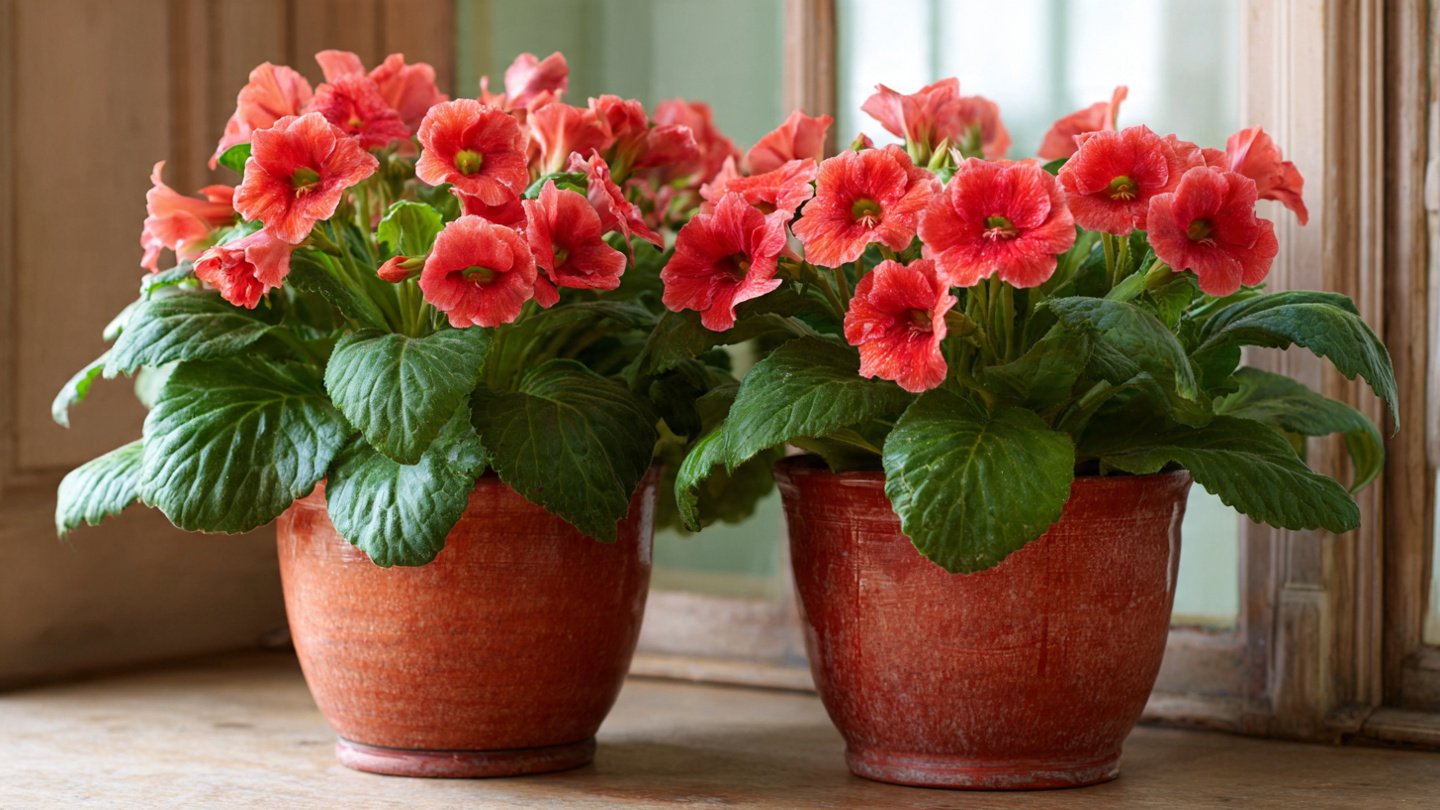
Gloxinia (Sinningia speciosa) is a vibrant, flowering houseplant known for its stunning blossoms and velvety leaves. Originating from the tropical rainforests of Brazil, these plants are a favorite among indoor gardeners due to their striking colors and relatively manageable care requirements. If you’re considering adding Gloxinia to your indoor plant collection, follow these simple steps to ensure successful growth.
1. Choosing the Right Pot and Soil
1.1 Selecting the Pot
Gloxinia plants prefer pots that are not excessively large, ideally around 4 to 6 inches in diameter. The pot should have drained holes at the bottom to prevent water from standing, which can lead to root rot. Choose a ceramic or plastic pot that insulates well without retaining too much moisture.
1.2 Preparing the Soil
Gloxinia thrives in well-draining potting mixes. A blend specifically designed for African violets works well, as it retains moisture without becoming soggy. Ideally, the soil should contain peat moss, perlite, or vermiculite. A slightly acidic pH, around 6.0 to 6.5, is preferred.
2. Lighting Requirements
Gloxinia plants flourish in bright, indirect light. Direct sunlight can scorch their leaves, while too little light may inhibit flowering. Ideally, place the plant near a north or east-facing windowsill. If you’re using artificial lights, ensure they mimic natural light with a 12 to 16-hour day length for optimal growth.
2.1 Adjusting for Seasons
During winter, when days are shorter, consider supplementing with grow lights to help mimic the summer conditions that Gloxinia needs. If the plant starts elongating or the leaves become pale, it may be an indication it’s seeking more light.
3. Watering Techniques
Gloxinia requires a careful watering regimen. Here are the key points to remember:
3.1 Watering Frequency
Water the plant thoroughly when the top inch of soil feels dry. This typically translates to watering once every 7 to 10 days, but this can vary depending on room temperature and humidity.
3.2 Watering Method
Use room-temperature water to avoid shocking the plant. Water from the bottom by placing the pot in a water-filled tray for about 30 minutes, allowing the plant to absorb moisture. Drain any excess water to prevent root rot.
3.3 Indications of Over-Watering
If the leaves turn yellow or drop, or if the plant becomes mushy, these signs indicate over-watering. Adjust your watering schedule and ensure proper drainage.
4. Temperature and Humidity
4.1 Ideal Temperature
Gloxinia prefers temperatures between 65°F and 75°F (18°C to 24°C) during the day and a slight decrease during the night. Avoid temperature fluctuations and drafty areas.
4.2 Humidity Levels
High humidity levels are beneficial for Gloxinia, ideally between 50% and 70%. If your home is dry, consider placing the pot on a tray filled with pebbles and water or use a humidifier to maintain adequate humidity levels.
5. Fertilization Tips
Gloxinia benefits from regular fertilization during the growing season (spring and summer).
5.1 Type of Fertilizer
Use a balanced, water-soluble fertilizer diluted to half the recommended strength. Look for fertilizers high in phosphorous to promote blooming, such as a formula with a 15-30-15 ratio.
5.2 Application Frequency
Fertilize every two weeks during the growing season. Reduce or completely stop fertilization during the dormant period in the fall and winter when flowers may fade.
6. Pruning and Deadheading
Regular pruning helps keep your Gloxinia healthy and promotes better blooms.
6.1 Removing Dead Flowers
Deadheading, or removing spent flowers, encourages the plant to produce new blooms. Snip the flowers at the base once they wilt.
6.2 Leaf Care
Prune any dead or yellowing leaves to maintain the plant’s aesthetic and health. This also prevents disease and attracts pests.
7. Managing Pests and Diseases
7.1 Common Pests
Be wary of pests like aphids, spider mites, and mealybugs. Regularly inspect your plant for any signs of infestation:
- Aphids: Look for clusters on leaves; treat with insecticidal soap.
- Spider Mites: Fine webs might appear on leaves or stems; increase humidity and apply miticides.
- Mealybugs: Visible as white fluff; remove manually or treat with alcohol-soaked cotton swabs.
7.2 Diseases
Over-watering can lead to root rot, while poor air circulation may cause fungal diseases. Promote good air circulation and maintain an appropriate watering schedule to mitigate these risks.
8. Preparing for Dormancy
Gloxinia has a natural dormancy period typically occurring in the fall and winter.
8.1 Signs of Dormancy
Once the leaves start to yellow and die back, it’s a sign the plant is preparing for dormancy. Reduce watering and cease fertilization.
8.2 Caring During Dormancy
Store the plant in a cool, dark location, and lightly water to keep the bulbs from completely drying out. When new growth appears in spring, gradually reintroduce watering and resume normal care.
9. Propagation Techniques
Gloxinia can be propagated through leaf cuttings or division of its bulbous roots.
9.1 Leaf Cutting Method
- Select a healthy leaf and cut it into sections, ensuring each piece has a vein on it.
- Plant the cuttings in a moist potting mix, covering the base.
- Cover with plastic wrap to maintain humidity until roots develop.
9.2 Division of Bulbs
During the dormancy phase, gently dig up the bulbs and separate the bulblets from the main bulb. Replant them in their individual pots, following the appropriate care guidelines.
Conclusion
Gloxinia plants are a delightful addition to any indoor space with their lush foliage and vibrant flowers. With the right care—proper potting, lighting, watering, and humidity—you can enjoy their beauty year-round. By following these simple steps, you’ll be well on your way to creating a flourishing Gloxinia plant that will reward you with breathtaking blooms.
FAQs
1. How often should I water my Gloxinia?
Water when the top inch of soil is dry, usually every 7 to 10 days. Always check the soil moisture before watering.
2. Can Gloxinia grow in low light?
Gloxinia requires bright, indirect light. Insufficient light will affect blooming and overall plant health.
3. What should I do if my Gloxinia is not flowering?
Ensure it receives adequate light, water, and nutrients. A lack of bright light or improper fertilization can inhibit flowering.
4. How can I increase humidity for my Gloxinia?
Place a pebble tray with water beneath the pot or use a humidifier to create a more humid environment.
5. When should I fertilize my Gloxinia?
Fertilize every two weeks during the growing season (spring and summer). Suspend fertilization during the dormancy period.
6. What are the signs of over-watering?
Yellowing leaves, wilting, or mushy stems often indicate over-watering. Adjust your watering schedule as needed.
7. How do I propagate Gloxinia?
You can propagate through leaf cuttings or division of the bulbs during the dormancy phase. Use healthy leaves or bulblets, and provide appropriate care during the propagation process.
By following these straightforward steps and addressing common concerns, you can successfully grow and cherish your own Gloxinia plants indoors, adding a splash of color and life to your space.