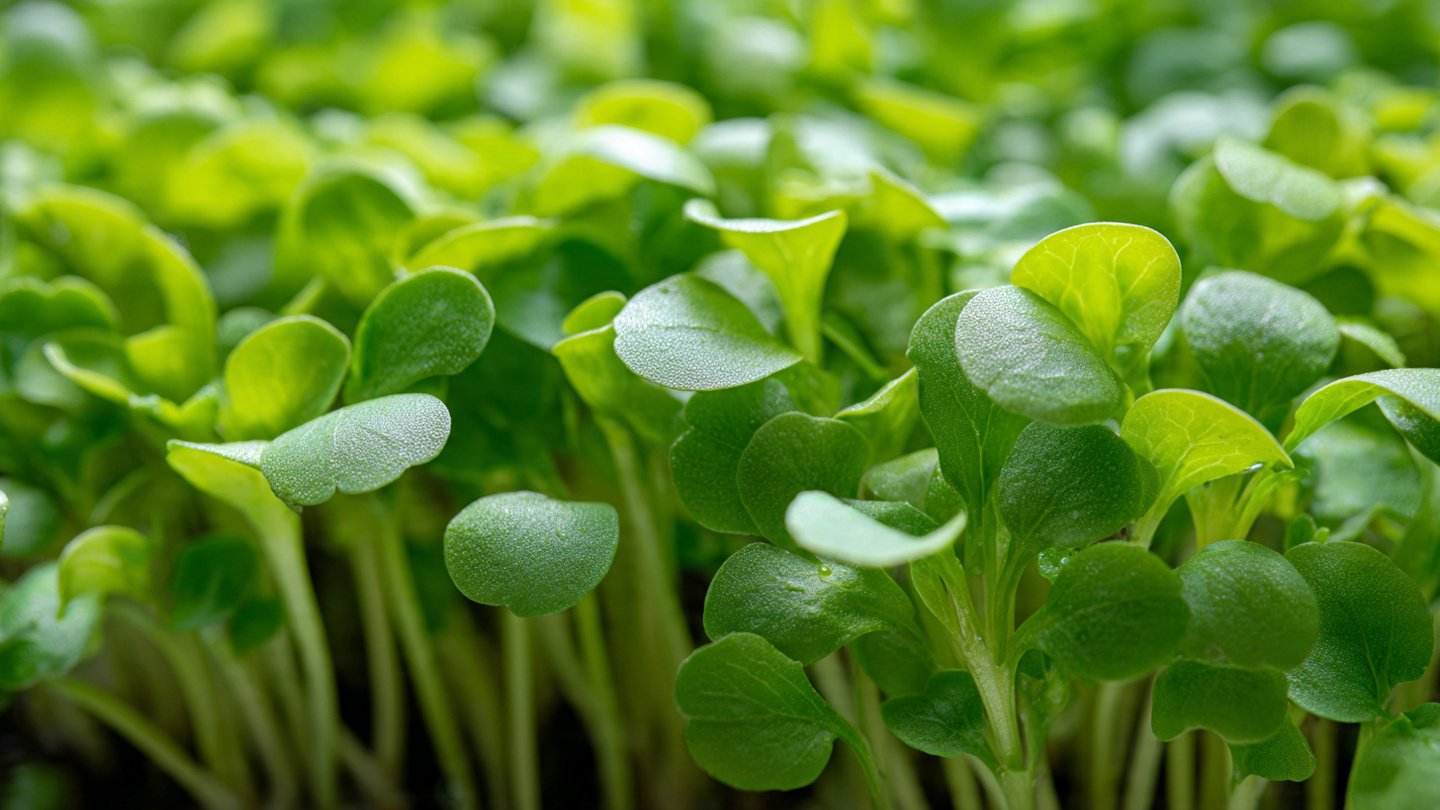
Growing mustard baby greens at home is an easy and rewarding endeavor for beginner and seasoned gardeners alike. These vibrant greens are not only packed with essential nutrients but also bring a peppery flavor to salads, sandwiches, and other dishes. This guide will take you through the entire process of growing mustard baby greens, from selecting the right variety to harvesting and beyond.
What Are Mustard Baby Greens?
Mustard baby greens are young seedlings of the mustard plant. They are typically harvested when they are about 2 to 3 inches tall. Known for their distinct spicy flavor, these greens are rich in vitamins A, C, and K, as well as minerals like calcium and iron. They add a delightful crunch and depth of flavor to salads and can be easily incorporated into other dishes.
Types of Mustard Greens
When it comes to mustard greens, a few popular varieties thrive well for baby greens:
-
Green Wave Mustard: This variety has frilled, dark green leaves and offers a mild flavor.
-
Red Giant Mustard: Known for its vibrant purple-red leaves, it has a stronger, spicier taste.
-
Japanese Mustard (Tatsoi): This variety has a more tender leaf and a milder flavor, perfect for salads.
-
Southern Giant: A traditional Southern variety that is well-suited for cultivation in warmer climates.
Benefits of Growing Mustard Baby Greens
-
Quick Growth: Mustard baby greens are among the fastest-growing greens and can be harvested in as little as 20-30 days after sowing.
-
Space-Efficient: They can be grown in small spaces, including containers, making them ideal for urban gardening.
-
Nutritional Value: Rich in essential vitamins and minerals, they contribute significantly to a balanced diet.
Starting Mustard Baby Greens
When to Plant
Mustard baby greens thrive in cooler temperatures, making them suitable for spring and fall planting. The ideal temperature for growth is between 55°F and 70°F (13°C and 21°C). In many regions, you can plant them outdoors from early spring until late fall, and even indoors year-round.
Choosing the Right Location
Select a location that receives full sun for at least 4-6 hours a day. If you’re growing them indoors, east or south-facing windows are ideal. Outdoors, ensure the soil is well-drained and fertile.
Soil Preparation
Muscle density matters! Prepare the soil by first testing its pH. Mustard greens prefer a slightly acidic to neutral pH (around 6.0 to 7.0).
-
Amend the Soil: If necessary, amend the soil with compost, well-rotted manure, or a balanced fertilizer.
-
Tilling: Loosen the ground to a depth of at least 12 inches to improve drainage and aeration.
-
Moisture: Ensure the soil is damp but not waterlogged before planting.
Sowing Mustard Seeds
-
Seed Depth: Sow the seeds about 1/4 inch deep.
-
Spacing: Plant the seeds 1-2 inches apart in rows that are 12-18 inches apart. This spacing allows enough room for the plants to grow without overcrowding.
-
Watering: After sowing, gently water the area to settle the soil around the seeds.
Caring for Your Mustard Baby Greens
Watering
Mustard greens need consistent moisture, especially during their germination phase. Water gently to avoid washing away seeds. As they grow, maintain soil moisture; however, be cautious not to overwater, as this can lead to root rot.
Fertilizing
If your soil was well-amended before planting, additional fertilization may not be necessary. However, you can side-dress with a nitrogen-rich fertilizer three weeks after planting to encourage lush growth.
Weeding
Regularly check for weeds, as they can compete for nutrients and space. Hand-pulling is often the best method to avoid disturbing the mustard greens’ roots.
Pests and Diseases
While mustard greens are relatively pest-resistant, they can be susceptible to aphids and caterpillars. Implement natural pest control measures, such as introducing beneficial insects (like ladybugs) or using neem oil.
Harvesting Mustard Baby Greens
When to Harvest
Mustard baby greens can be harvested when they are about 2-3 inches tall, usually about 20-30 days after planting. They’re best harvested young, as older leaves tend to develop a stronger flavor and can become tougher.
How to Harvest
-
Method: Use scissors or a sharp knife to cut the greens just above the soil line, taking care not to disturb the surrounding plants.
-
Frequency: You can harvest a third of the plant at a time to allow continuous growth.
-
Storage: Keep freshly harvested greens in a plastic bag in the fridge, where they will remain fresh for about a week.
Using Mustard Baby Greens in Your Culinary Creations
Mustard baby greens are versatile and can be used in various ways:
-
Salads: Combine them with other greens, nuts, and fruits for a colorful salad.
-
Sandwiches: Use them as a flavorful topping on sandwiches and burgers.
-
Stir-fries: Add to stir-fries for an extra kick.
-
Smoothies: Incorporate into smoothies for a nutrient boost.
Troubleshooting Common Issues
-
Bitter Taste: This can occur when greens are allowed to mature past the baby stage. Harvest earlier for a milder flavor.
-
Leggy Growth: This may happen if they aren’t getting enough light. Ensure they receive adequate sunlight.
-
Slow Growth: Can be caused by poor soil quality or insufficient watering. Regularly check moisture levels and amend the soil if necessary.
Conclusion
Growing mustard baby greens at home can be a delightful experience, yielding deliciously peppery leaves packed with nutrients. With minimal effort, you can add fresh greens to your salads and meals, enhancing both flavor and health benefits. Whether you’re a novice gardener or a green thumb, you’ll find that these greens are a perfect addition to your home garden.
FAQs About Growing Mustard Baby Greens
1. How often should I water mustard baby greens?
Water mustards consistently, ensuring the soil stays moist but not soggy. Generally, watering 2-3 times a week should suffice depending on rainfall and temperature.
2. Can I grow mustard baby greens indoors?
Yes! You can grow mustard baby greens in containers indoors. Use a pot with a drainage hole and place it in a sunny location.
3. How long do mustard baby greens take to germinate?
Mustard seeds typically germinate within 5-10 days under ideal conditions.
4. What are the best companion plants for mustard greens?
Good companion plants include herbs like cilantro and dill, as well as other leafy greens. Avoid planting near crops in the Brassica family to prevent disease spread.
5. Are mustard baby greens frost-tolerant?
Yes, they are somewhat frost-tolerant, making them suitable for early spring and late fall planting.
By following this guide, you’ll be on your way to cultivating a flourishing crop of mustard baby greens, making your salads not only more exciting but also more nutritious! Happy gardening!