Introduction
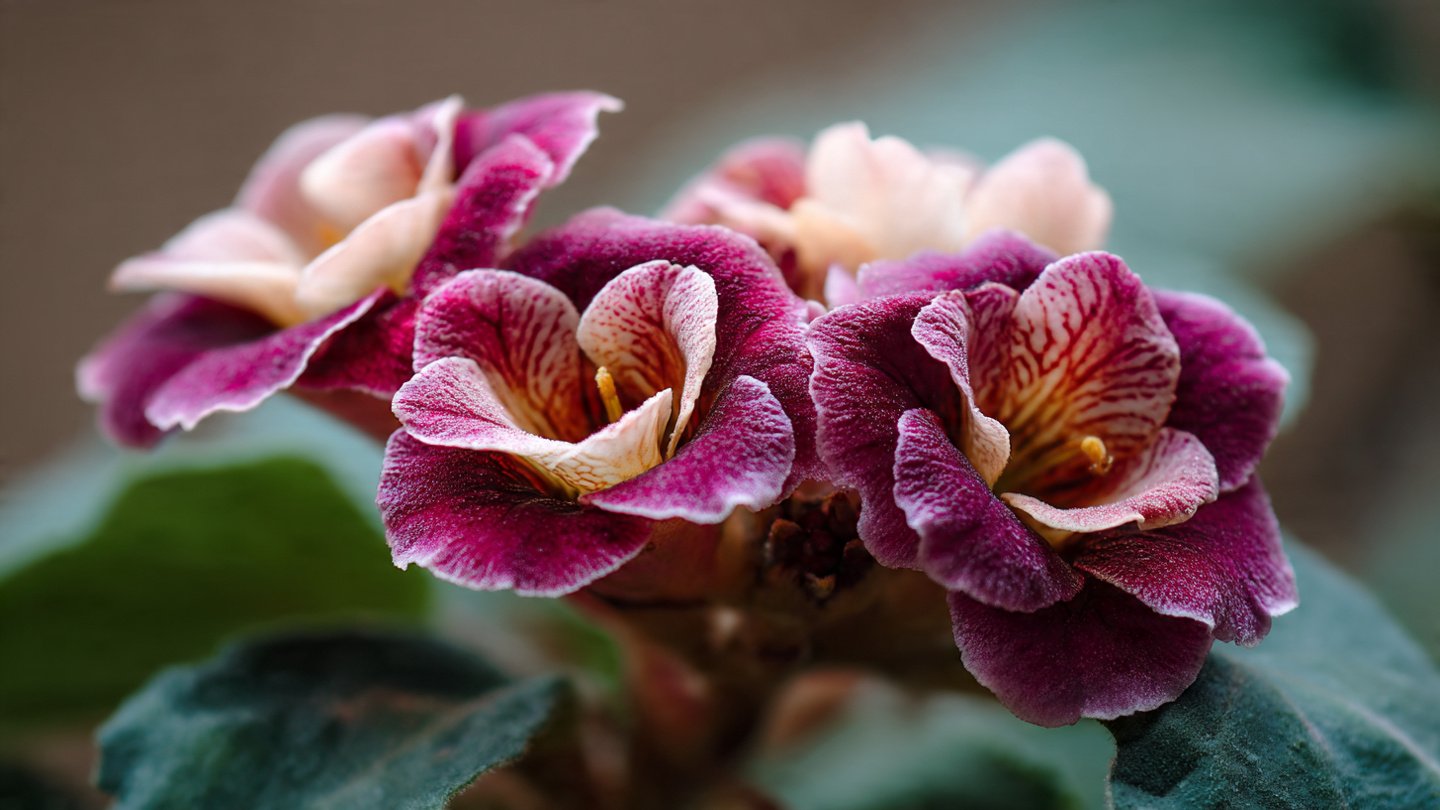
Gloxinia, renowned for its stunning velvety flowers and lush green foliage, is a beloved choice among home gardeners. The blooms, which display a stunning array of colors ranging from deep purple to vibrant red, can bring any garden or indoor space to life. This comprehensive guide aims to provide essential knowledge and practical tips for successfully cultivating Gloxinia in your home garden.
Overview of Gloxinia
Botanical Background
Gloxinia (Sinningia speciosa) belongs to the Gesneriaceae family and is native to South America, particularly Brazil. The plant features soft, velvety leaves and produces large, trumpet-shaped flowers. The primary attraction of Gloxinia lies in its colorful blooms, making it a popular houseplant and garden plant.
Types of Gloxinia
- Standard Gloxinia: Traditional varieties, usually available in shades of purple, red, and pink.
- Mini Gloxinia: Smaller plants that are perfect for indoor cultivation or smaller gardens.
- Trailing Gloxinia: These varieties have a cascading growth habit, ideal for hanging baskets.
Growing Conditions
Sunlight Requirements
Gloxinia thrives in bright, indirect sunlight. Direct sunlight can scorch the leaves and diminish the vibrancy of the flowers. A north or east-facing window is ideal for indoor cultivation. For outdoor plants, partial shade is best to protect them from harsh afternoon sun.
Soil Requirements
Gloxinia requires well-draining soil rich in organic matter. A potting mix designed for African violets often works well. Consider adding perlite or coconut coir to improve drainage and aeration.
Temperature
Gloxinia prefers temperatures between 65°F to 75°F (18°C to 24°C). They thrive in environments with high humidity, making it essential to maintain moisture in the air. Avoid exposing them to temperatures below 50°F (10°C).
Humidity
Ideal humidity levels range from 50% to 70%. You can increase humidity levels by misting the plants, using a humidity tray filled with water, or employing a humidifier.
Propagation
Seed Propagation
- Gather Seeds: Purchase seeds from reputable suppliers or collect them from existing flowers.
- Sow Seeds: Plant seeds in a seed tray filled with a lightweight, well-draining potting mix, ensuring they are not covered deeply.
- Moisture: Mist the surface lightly to keep it moist and cover with a plastic dome to retain humidity.
- Light: Place the tray under grow lights or in a warm spot with indirect light.
Leaf Cutting Propagation
- Choose a Leaf: Select a healthy, mature leaf from an existing Gloxinia plant.
- Cut and Treat: Cut the leaf into sections, making sure each section has a vein.
- Rooting Medium: Place the sections in a moist potting mix, ensuring the cut edge is buried slightly.
- Care: Cover with a plastic bag to maintain humidity until roots develop.
Planting and Care
Planting Gloxinia
- Choosing Containers: Use pots with drainage holes to prevent root rot. Terracotta pots are a great option due to their breathability.
- Transplanting: When transplanting, ensure the crown of the plant is at soil level. Water thoroughly after planting.
- Spacing: If planting in groups, ensure adequate spacing to promote airflow and reduce disease risk.
Watering
- Watering Technique: Water Gloxinia from the bottom by placing the pot in a tray of water, allowing the plant to absorb moisture through the drainage holes.
- Frequency: Water when the top inch of soil feels dry. Avoid overwatering, as Gloxinia is sensitive to soggy conditions.
- Draining: Always allow excess water to drain out.
Fertilization
- Type of Fertilizer: Use a balanced, soluble fertilizer (e.g., 20-20-20) diluted to half strength.
- Fertilization Frequency: Feed every 4-6 weeks during the growing season (spring and summer); reduce feeding during dormancy (fall and winter).
Pruning and Maintenance
Pruning
Regular pruning helps maintain plant health and encourages blooming. Remove dead flowers, yellow leaves, and any diseased foliage. This will promote new growth and prevent disease spread.
Pest Management
Common pests include aphids, spider mites, and mealybugs. Regularly inspect your plants and treat any infestations promptly with insecticidal soap or neem oil.
Disease Management
Gloxinia is prone to leaf spots and root rot if overwatered. Ensure proper air circulation, use sterile soil, and avoid splashing water on leaves to minimize risks.
Troubleshooting Common Issues
Yellowing Leaves
- Causes: Overwatering, nutrient deficiency, or low light levels can cause yellowing leaves.
- Solution: Adjust your watering schedule, fertilize if necessary, and relocate the plant for optimal light.
Wilting Flowers
- Causes: Insufficient water or humidity.
- Solution: Check moisture levels in the soil and increase humidity for indoor plants.
Poor Flowering
- Causes: Insufficient light, lack of nutrients, or overcrowding.
- Solution: Ensure adequate light and fertilization; consider repotting if plants are overcrowded.
Seasonal Care
Spring and Summer
- Growth Phase: Provide optimal light, water regularly, and fertilize monthly.
- Repotting: Spring is an ideal time for repotting if necessary.
Fall and Winter
- Dormancy Phase: Reduce watering and cease fertilization as Gloxinia enters dormancy.
- Temperature Management: Protect plants from cold drafts and ensure temperatures remain consistently above 50°F.
Conclusion
Cultivating Gloxinia velvety flowers in your home garden can be a rewarding endeavor. With their lush foliage and vibrant blooms, these plants can brighten any space. By adhering to the guidelines provided in this comprehensive guide, you can successfully grow and maintain these stunning flowers, ensuring a beautiful display year-round.
FAQs
1. How often should I water my Gloxinia?
Gloxinia prefers to be watered when the top inch of soil feels dry. Usually, this means watering once a week, but it may vary based on humidity and temperature.
2. Can Gloxinia be grown indoors?
Yes, Gloxinia can be successfully grown indoors. Just ensure they receive adequate bright, indirect sunlight and maintain appropriate humidity levels.
3. What pests should I watch for?
Common pests include aphids, spider mites, and mealybugs. Regular inspections can help catch infestations early.
4. What should I do if my Gloxinia is not flowering?
Ensure the plant receives enough light. Check for nutrient levels, and ensure the plant is not overcrowded.
5. When is the best time to propagate Gloxinia?
The best time to propagate is in spring when the plant is actively growing. Leaf cuttings and seeds can be started during this time.
6. How can I increase humidity for my Gloxinia?
To increase humidity, mist the leaves, use a humidity tray filled with water, or employ a humidifier in the room.
By following these guidelines, you’ll be well on your way to enjoying the beauty of Gloxinia in your home garden. Happy gardening!