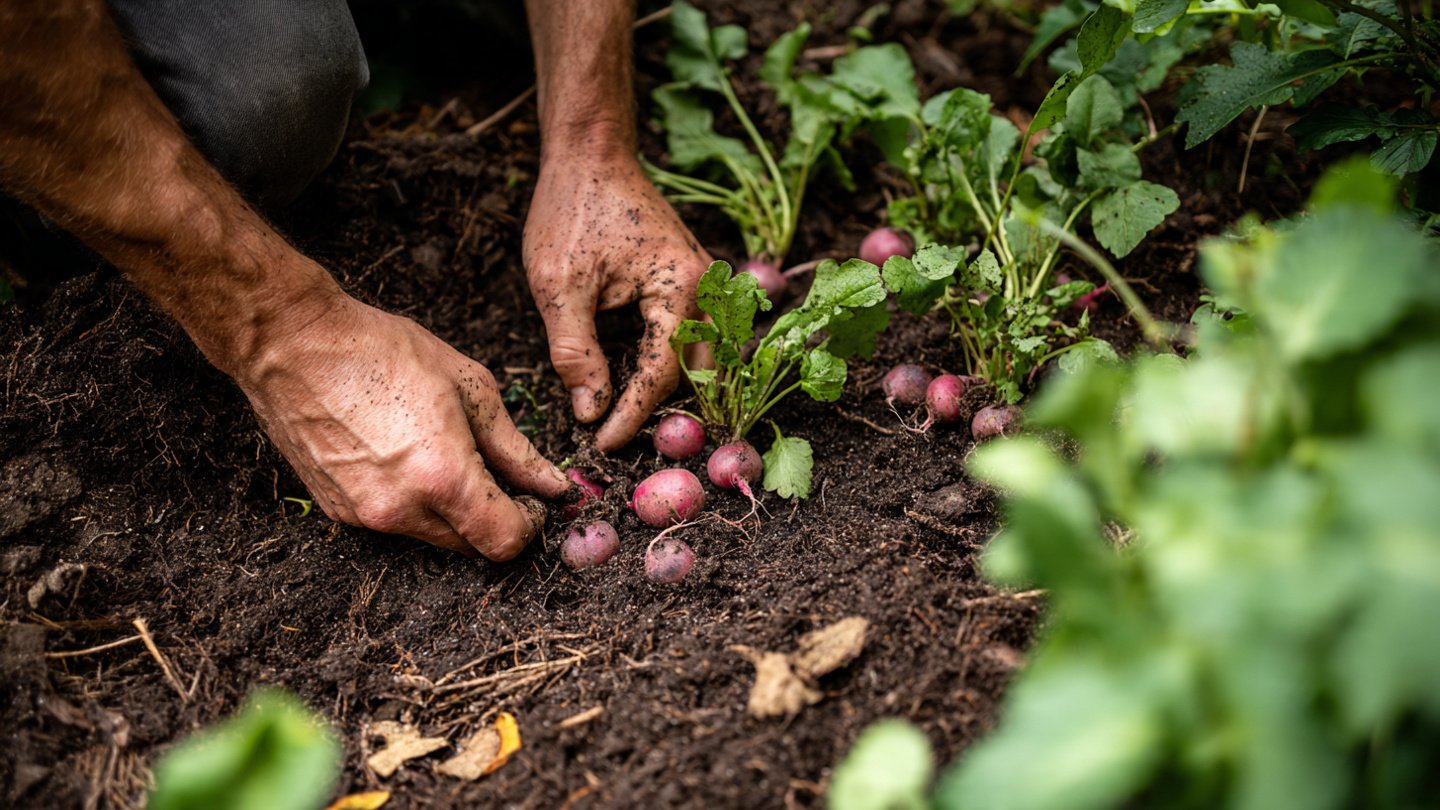
Growing radishes in shaded summer gardens can be a rewarding endeavor, particularly for gardeners who might not have direct sunlight in certain areas of their yard. Despite being a crop that typically thrives in full sun, with the right strategies, you can successfully cultivate radishes even in shaded conditions. This article discusses effective techniques, tips, and considerations when growing radishes in shaded environments, enabling you to enjoy these nutritious root vegetables.
Understanding Radishes
Radishes (Raphanus sativus) are quick-maturing crops, often harvested within three to six weeks after planting. They come in various types, including globe, long, and specialty radishes like Daikon and Black Radish. Commonly grown for their crisp texture and peppery flavor, these vegetables are not only delicious but also packed with vitamins and minerals, making them a valuable addition to your diet.
Radish Varieties Suitable for Shade
When selecting radish varieties for shaded gardens, consider those that are more tolerant to lower light conditions. Some of these varieties include:
- French Breakfast Radish: This type is known for its mild flavor and is less prone to bolting in shade.
- Daikon Radish: A longer variety that can handle lower light levels.
- Cherry Belle: A classic round radish that grows well in a variety of conditions.
Benefits of Growing Radishes in Shaded Areas
Growing radishes in shady gardens can provide several benefits:
- Reduced Pest Pressure: Shady areas can deter some pests that prefer sunny spots.
- Improved Soil Moisture: Shaded areas often retain moisture better, reducing the need for frequent watering.
- Soil Temperature Regulation: The shade can help maintain cooler soil temperatures, promoting a more stable growing environment.
Strategies for Successful Radish Growth in Shade
1. Select the Right Location
Identify areas of your garden that receive dappled sunlight or partial shade. Locations under trees or next to taller plants can be ideal. Ensure the soil is well-draining and has good fertility. While total shade may hinder growth, filtered or partial sunlight can still support radish development.
2. Elevate Soil Quality
Healthy soil is the cornerstone of successful gardening. Here are key tips for preparing your soil:
- Soil Testing: Test your soil to determine its pH and nutrient levels. Radishes prefer a slightly acidic to neutral pH (around 6.0 to 7.0).
- Amendments: Incorporate organic matter such as compost or well-rotted manure. This not only improves soil structure but also boosts nutrient content.
3. Timing the Planting
The ideal time for planting radishes varies based on your local climate, but the general rule is to plant them in spring for a quick summer harvest or late summer for a fall crop. Timing is crucial; cool temperatures assist in root development, while warmer conditions can lead to quicker bolting.
- Early Spring Planting: Sow radishes as soon as the soil is workable. These crops can often tolerate a light frost.
- Late Summer Planting: Once temperatures cool down, you can plant varieties again for a fall harvest.
4. Effective Watering Techniques
Watering radishes adequately is vital, especially in shaded gardens. The key points include:
- Consistent Moisture: Keep the soil consistently moist without being waterlogged. Irregular watering can lead to cracking and poor flavor.
- Mulching: Use organic mulch to retain soil moisture and temperature, which can be particularly advantageous in shady conditions.
5. Monitor for Pests and Diseases
Even in shade, pests like aphids or diseases like downy mildew can pose threats. Regular monitoring is essential.
- Pest Control: Use organic insecticides or introduce beneficial insects like ladybugs.
- Disease Management: Rotate crops regularly to reduce the risk of soil-borne diseases.
6. Harvesting Techniques
Radishes can be harvested at various stages, but there’s an optimal time for picking:
- Check for Size: Harvest radishes when they reach about an inch in diameter. If left too long, they may become pithy and bitter.
- Gentle Pulling: When harvesting, gently twist or pull the radishes to avoid damaging the plant or surrounding soil.
7. Support Companion Planting
Utilizing companion plants can enhance growth and deter pests. Plants that pair well with radishes include:
- Leafy Greens: Such as spinach and lettuce, which benefit from similar soil conditions.
- Herbs: Like cilantro and dill, can attract beneficial insects that aid in pest control.
Tips for Maximizing Growth Potential
1. Fertilization
Use a balanced, slow-release fertilizer during planting and then apply an additional side dressing midway through the growth cycle if necessary. Avoid over-fertilizing, as it can lead to excessive foliage at the expense of root growth.
2. Succession Planting
In a shaded garden, consider sowing radish seeds every two weeks during the growing season. This technique ensures a continuous supply of fresh radishes.
3. Adjust Row Spacing
In shaded conditions, consider planting radishes closer together than you would in full sun. This allows you to maximize spacing for other plants while still achieving good growth.
4. Use Shade-tolerant Cover Crops
As a long-term strategy for improving soil and shading the ground, consider integrating cover crops like clover or vetch. These crops improve soil fertility, suppress weeds, and enhance moisture retention.
Common Challenges
1. Bolting
Radishes may bolt (flower before maturing) if they face stress from heat or dryness. Monitor moisture levels and provide shade for newly planted seeds in early summer.
2. Poor Growth
Insufficient light can lead to weak growth. If radishes appear spindly, consider adjusting your planting location or using reflective surfaces (like white fabric) to increase indirect light.
FAQs About Growing Radishes in Shaded Gardens
Q1: How much sunlight do radishes need?
Radishes ideally need at least 4-6 hours of sunlight per day. In shaded areas, look for spots with dappled sunlight or partial shade.
Q2: Can I grow radishes in containers in shaded areas?
Yes, radishes can thrive in containers as long as they are positioned in a location that receives sufficient indirect light.
Q3: What common pests should I watch out for?
Common pests include aphids, flea beetles, and root maggots. Regular checks and organic remedies can help manage these pests.
Q4: Can I plant radishes with other vegetables?
Yes, companion planting with leafy greens and herbs can benefit both plants and improve pest resistance.
Q5: What should I do if my radishes are bolting?
If your radishes bolt, they will likely produce flowers and seeds. Monitor moisture levels and try to provide some afternoon shade to mitigate heat stress.
Q6: How long does it take for radishes to mature?
Most radish varieties mature within 3 to 6 weeks after planting, depending on the species and growing conditions.
Conclusion
Growing radishes in shaded summer gardens is not only feasible but can also yield rewarding results. By following the strategies outlined above, you can overcome the challenges posed by limited sunlight. With proper soil preparation, appropriate watering techniques, and attentive pest management, your shaded space can flourish with vibrant and flavorful radishes, adding both nutrition and delight to your table. Happy gardening!