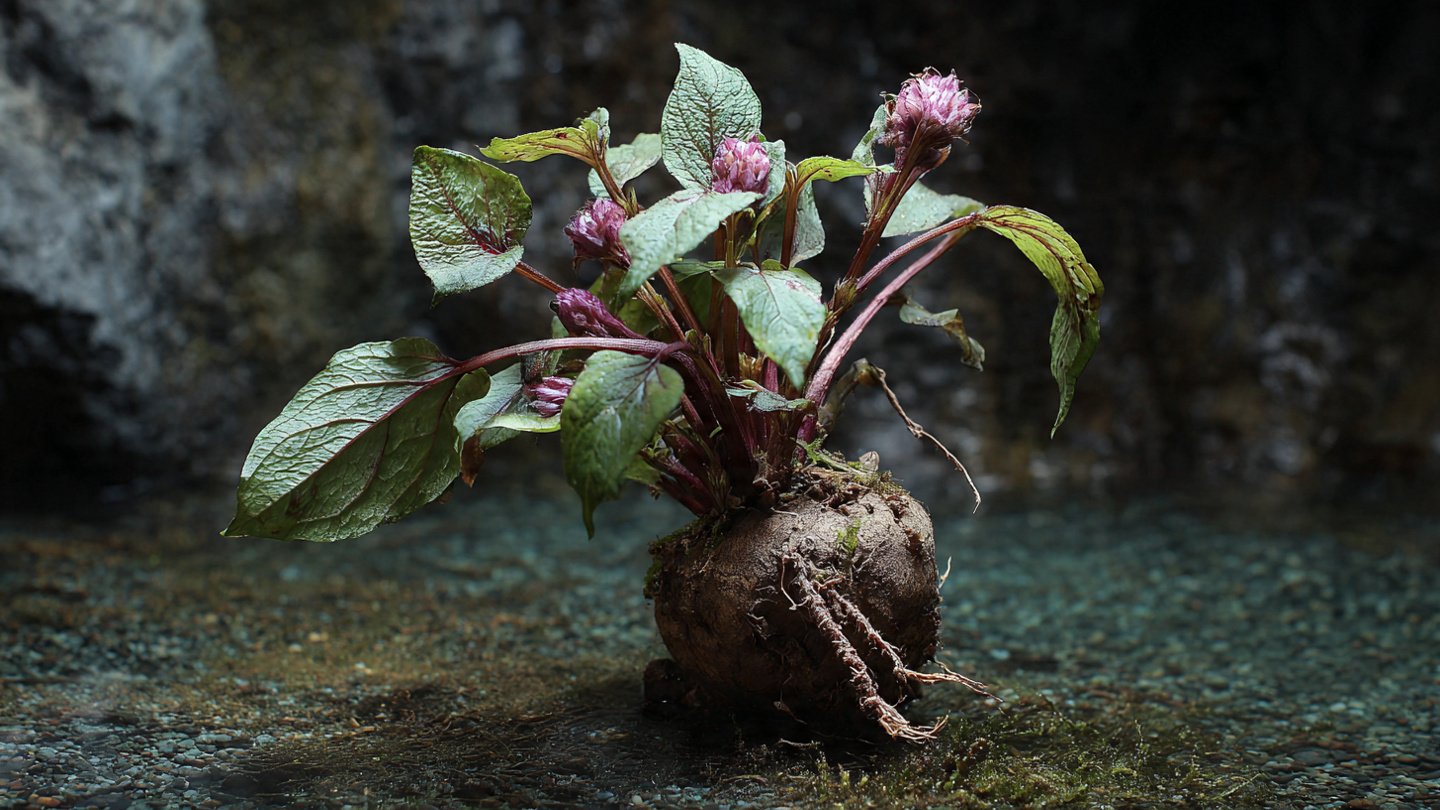
Sinningia, often referred to as the “gloxinia,” is celebrated for its stunning flowers and distinct foliage. Originating from Central and South America, these tuberous perennials are admired by both novice and experienced gardeners. Growing Sinningia from tubers is not only satisfying but also a rewarding endeavor. In this article, we will explore the best methods to cultivate Sinningia from tubers, ensuring a successful gardening experience for all skill levels. Moreover, we’ll also address frequently asked questions in the end.
Understanding Sinningia
Before diving into cultivation methods, it’s crucial to understand what Sinningia is. It belongs to the Gesneriaceae family and features a wide variety of species. The most commonly grown species include Sinningia speciosa, which showcases brightly colored, trumpet-shaped flowers.
Sinningia plants thrive in environments that mimic their native habitats, requiring well-draining soil, appropriate temperatures, and suitable lighting conditions.
Step-by-Step Guide to Growing Sinningia from Tuber
1. Choosing Quality Tubers
The foundation of a successful Sinningia plant begins with high-quality tubers. When purchasing tubers:
- Look for Firmness: Choose tubers that feel firm when gently squeezed. Avoid soft, shriveled, or discolored ones, as these may be diseased or dead.
- Size Matters: Larger tubers generally produce more vigorous plants, so select those that are larger than a marble.
- Source: Reliable garden centers or online plant shops specializing in rare plants are recommended sources.
2. Preparing the Planting Medium
A well-draining potting mix is essential for Sinningia tubers. Here’s how to prepare it:
-
Components: Use a mix of potting soil, perlite, and peat moss in equal parts. This combination allows for both moisture retention and drainage.
-
Testing pH: Ensure the pH level is between 5.5 and 6.5 for optimal growth.
3. Planting the Tubers
Timing is critical when planting your Sinningia tubers. Follow these steps:
-
Time of Year: Plant tubers in early spring when the risk of frost has passed.
-
Depth: Plant tubers about 2-3 inches deep with the growth point facing upwards. If unsure about which side is up, it’s generally best to plant it horizontally.
-
Spacing: Space tubers about 8-12 inches apart to allow for adequate airflow and growth.
4. Watering Requirements
Watering is crucial for Sinningia. Here’s how to do it right:
-
Initial Watering: After planting, water gently to avoid displacing the tuber. A light mist can help.
-
Consistency: Keep the soil slightly moist but never soggy. Water when the top layer feels dry to the touch.
-
Use Bottom Watering: This method allows the tubers to absorb moisture without soaking the foliage, reducing the risk of rot.
5. Providing Proper Light Conditions
Sinningia plants thrive in bright, indirect light. Here’s how to achieve the perfect light conditions:
-
Location: Place pots near a window that receives filtered sunlight, or use grow lights if natural light is insufficient.
-
Rotating the Plant: Regularly rotate your plant to ensure even light exposure on all sides.
6. Temperature and Humidity Control
Sinningia prefers a warm, humid environment:
-
Ideal Temperature: Maintain a temperature between 65°F to 75°F (18°C to 24°C).
-
Humidity: Aim for 40-60% humidity. If your home is dry, consider using a humidity tray or a humidifier.
7. Fertilization
To ensure robust growth and plentiful blooms, fertilization is key:
-
Type of Fertilizer: Use a diluted, balanced, water-soluble fertilizer (like a 10-10-10 NPK) every 4-6 weeks during the growing season.
-
Dilution: Always dilute the fertilizer to half the recommended strength to prevent fertilizer burn.
8. Pruning and Maintenance
Maintaining your Sinningia plants involves:
-
Removing Dead Leaves: Regularly check for and prune any dead or yellowing leaves to promote airflow and reduce disease risks.
-
Pinching Off Flowers: If the flowers become sparse, don’t hesitate to pinch off dead blooms to encourage new growth.
9. Caring for Sinningia during Dormancy
After blooming, Sinningia will enter a dormant phase, typically in late summer or early fall. Here’s how to handle this period:
-
Reduce Watering: Gradually reduce watering as the plant starts to go dormant. The soil should be barely moist during this period.
-
Storage: If you plan to store the tubers, gently remove them from the soil, clean them, and allow them to dry before storing in a cool, dry place.
10. Common Pests and Diseases
Be vigilant about pests and diseases that may affect your Sinningia plants:
-
Pests: Aphids, mealybugs, and spider mites are common pests. Treat infestations quickly using insecticidal soap or neem oil.
-
Diseases: Overwatering can lead to root rot. Always ensure proper drainage and watering practices.
Tips for Expert Growers
While the methods outlined above are beneficial for beginners, experienced growers can explore more advanced techniques:
-
Hybridization: Consider breeding different Sinningia species to create unique hybrids with novel colors and forms.
-
Tissue Culture: For a more scientific approach, experiment with tissue culture propagation techniques.
-
Diverse Soil Mixes: Test different soil mixes to determine which provides the best growth results.
FAQs
Q1: How long does it take for Sinningia to bloom from a tuber?
A: Generally, it can take anywhere from 10 to 12 weeks for Sinningia to bloom from a tuber if the conditions are ideal.
Q2: Can I grow Sinningia indoors?
A: Yes, Sinningia can be successfully grown indoors if provided with adequate light and humidity conditions.
Q3: What is the best time to plant Sinningia tubers?
A: The best time to plant Sinningia tubers is in early spring after the last frost.
Q4: How do I know when to water my Sinningia?
A: Water when the top inch of soil feels dry to the touch. Avoid letting the soil become completely dry for extended periods.
Q5: Can I propagate Sinningia through leaf cuttings?
A: Yes, while tuber propagation is more common, stem cuttings or leaf cuttings can be used for propagation in some species of Sinningia.
Q6: What should I do if my Sinningia is not blooming?
A: Ensure that the plant is receiving enough light, the soil is adequately moist but not soggy, and that it has been fertilized throughout the growing season.
Q7: Are Sinningia tubers harmful to pets?
A: Sinningia is considered non-toxic to pets, but always keep an eye on your curious furry friends.
Q8: How do I overwinter my Sinningia tubers?
A: Allow them to dry out in a cool, dark place after the growing season, and store them in a paper bag or container filled with dry peat moss.
Conclusion
Growing Sinningia from tubers can be a delightful venture for both beginners and experts. With the right knowledge and attention, you can nurture these beautiful plants to achieve stunning blooms that brighten any space. Whether honing your skills or just starting, remember that patience and consistent care are key to successful gardening. Enjoy the process, and happy planting!