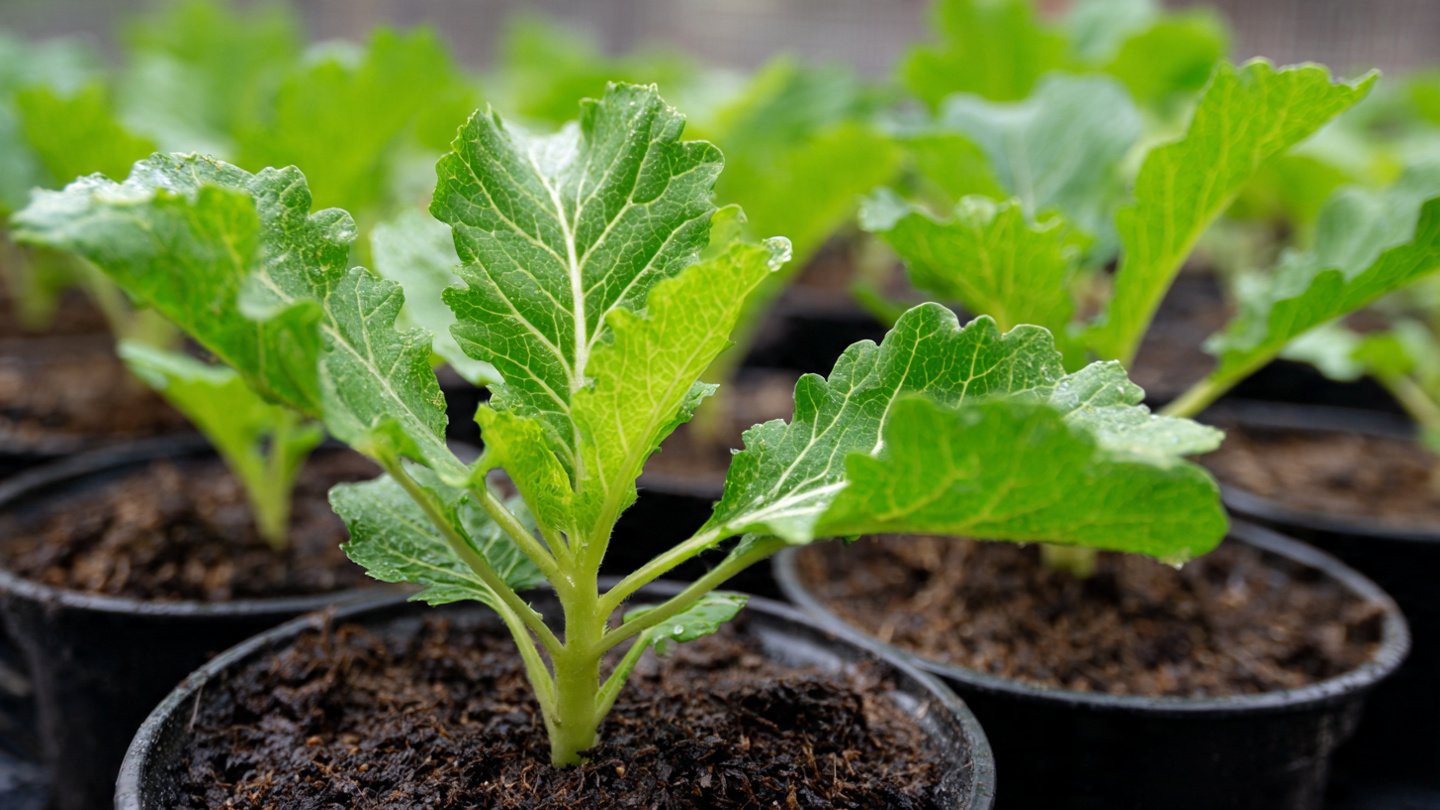
Mustard leaves, also known as mustard greens, are not only delicious but also packed with nutrients. These leafy greens are often used in various culinary dishes and are increasingly becoming popular among health-conscious consumers. For enthusiastic gardeners, cultivating mustard leaves can be a rewarding experience. In this guide, we’ll explore the best organic methods for growing mustard leaves quickly, ensuring that you enjoy a bountiful harvest in no time.
Understanding Mustard Leaves
Before diving into the growing process, it’s essential to understand what mustard leaves are. Belonging to the Brassica family, which includes cabbage, broccoli, and kale, mustard leaves have a slightly peppery flavor. They can be green or purple, depending on the variety, and are commonly found in cuisines around the world, especially in Southern and Asian cooking.
Health Benefits of Mustard Leaves
Mustard leaves are not just tasty; they are also incredibly nutritious. They are rich in vitamins A, C, and K, as well as minerals such as calcium and iron. Moreover, they contain antioxidants, which help combat oxidative stress in the body. Including mustard leaves in your diet can support your immune system, promote bone health, and even improve digestion.
Choosing the Right Variety
Select the right variety of mustard leaves based on your climate and taste preference. Common varieties include:
- Southern Giant Curled: A popular southern variety with deep green, curly leaves. Fast-growing and a favorite for cooking.
- Red Russian: Known for its striking purple leaves, this variety has a mild flavor and is perfect for salads.
- Florida Broadleaf: Large, broad leaves that are tender and tasty, ideal for sautéing.
Preparing the Soil
1. Soil Requirements
Mustard leaves thrive in well-draining, loamy soil rich in organic matter. The ideal pH level for mustard greens is between 6.0 and 7.5. Here’s how to prepare soil for optimal growth:
-
Soil Testing: Conduct a soil test to determine pH and nutrient levels. You can buy testing kits at garden centers or send samples to soil testing labs.
-
Improving Soil Structure: If your soil is heavy clay, consider adding organic matter such as compost to enhance drainage. If sandy, mix in compost to improve moisture retention.
2. Adding Nutrients
Enrich your soil with organic fertilizers, as mustard leaves are heavy feeders. Use well-rotted compost or organic fertilizers high in nitrogen. Apply at least a couple of weeks before planting to allow nutrients to integrate.
Planting Mustard Leaves
1. Timing
Mustard leaves grow best in cool weather, making spring and fall the optimal planting seasons. In many regions, you can sow seeds about 2-4 weeks before the last frost in spring or in late summer for a fall crop.
2. Seeding Techniques
You can grow mustard leaves from seeds or transplants:
-
Direct Sowing: Sow seeds about ¼ to ½ inch deep. Space them about 2 inches apart in rows that are 12-18 inches apart. Thin seedlings to avoid overcrowding.
-
Transplants: Starting seeds indoors can provide a head start. After 4-6 weeks, transplant seedlings outdoors, ensuring they are acclimated to outdoor conditions before transplanting.
3. Watering
Mustard leaves require consistent moisture for optimal growth, especially in hotter months. Implement the following watering regimen:
-
Frequency: Water deeply once a week unless it rains. During hot weather, check the soil for moisture and adjust accordingly.
-
Irrigation: Consider using drip irrigation or soaker hoses to minimize water loss through evaporation and prevent oversaturation.
Organic Pest and Disease Management
One of the advantages of growing mustard leaves organically is the ability to naturally manage pests and diseases. Common pests include aphids, cabbage worms, and harlequin bugs.
1. Natural Pest Control
-
Neem Oil: Apply neem oil or insecticidal soap to deter pests. These organic compounds are safe and effective.
-
Companion Planting: Planting mustard leaves alongside aromatic herbs like sage or nasturtium can deter pests naturally.
2. Disease Prevention
Maintain proper airflow around your plants to prevent fungal diseases:
-
Spacing: Ensure adequate spacing between plants to promote airflow.
-
Crop Rotation: Rotate crops annually to reduce disease buildup in the soil.
Harvesting Mustard Leaves
Harvesting mustard leaves can begin when they are approximately 4-6 inches tall, using the following methods:
-
Cut-and-Come-Again: Use scissors to cut leaves from the outer edges of the plant, allowing it to continue producing. This method can yield multiple harvests.
-
Whole-Plant Harvesting: For a larger harvest, you can pull entire plants when they reach maturity, typically around 40-60 days after sowing.
1. Timing for Maximum Flavor
Harvest in the morning when temperatures are cooler, as leaves will be crisp and flavorful. Avoid harvesting when plants are stressed due to drought or heat, as this can negatively impact flavor.
Storing Mustard Leaves
To best preserve the freshness of your harvest, follow these storage tips:
-
Short-term Storage: Keep mustard leaves in a plastic bag in the refrigerator’s crisper drawer. They will stay fresh for about a week.
-
Long-term Storage: For longer storage, consider blanching and freezing leaves. This process preserves flavor and nutritional value.
FAQs
1. How long does it take for mustard leaves to grow?
Mustard leaves typically take about 40-60 days to mature from seed to harvest, depending on the variety and growing conditions.
2. Can mustard leaves be grown in containers?
Yes, mustard leaves can be successfully grown in containers. Choose a container that is at least 12 inches deep and ensure good drainage.
3. What is the best fertilizer for mustard leaves?
Use organic fertilizers high in nitrogen, such as fish emulsion or well-rotted manure, to promote leafy growth.
4. What diseases are common in mustard leaves?
Common diseases include downy mildew and powdery mildew. To prevent these, practice crop rotation and provide adequate spacing between plants.
5. Can I eat mustard leaves raw?
Yes, mustard leaves can be eaten raw in salads or smoothies. However, cooking them slightly can enhance their flavor and make them easier to digest.
6. How do I know when to harvest mustard leaves?
Harvest when the leaves are 4-6 inches tall and tender. The leaves should be vibrant and free from signs of bolting (flowering), which indicates they are past their peak for consumption.
Conclusion
Growing mustard leaves organically can be a fulfilling and health-enhancing activity. With the right conditions, proper care, and knowledge, you can enjoy quick and reliable yields from your mustard greens. By following the tips outlined in this guide, you’ll not only cultivate healthy, flavorful mustard leaves but also contribute to sustainable gardening practices that nourish both your body and the environment. Happy gardening!