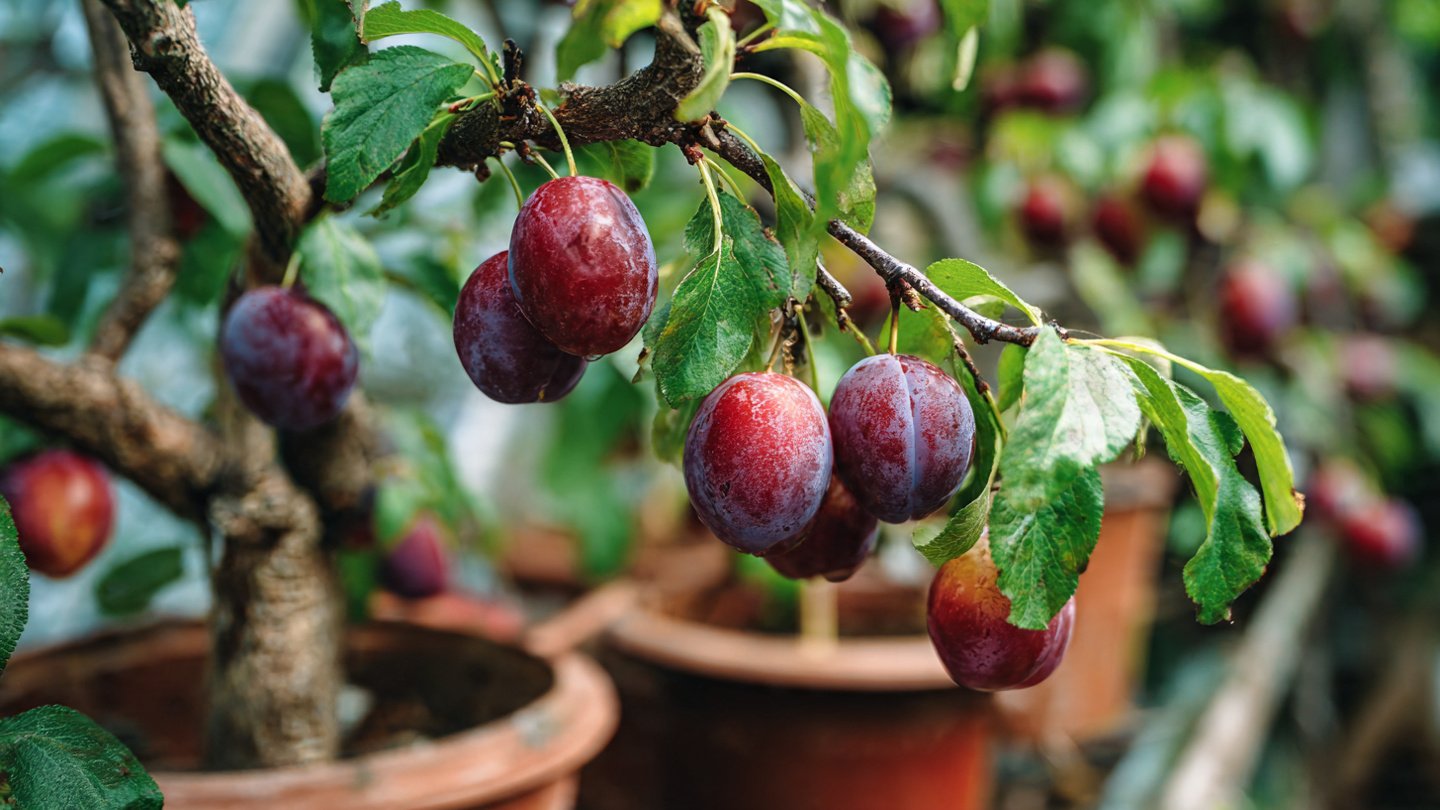
Growing plum trees indoors can be an incredibly rewarding venture, providing not only a beautiful ornamental plant but also the joy of harvesting fresh, home-grown fruit. While it might initially seem challenging to cultivate trees indoors, with the right conditions and care, you can successfully grow and enjoy plums year-round. This guide will take you through the process step-by-step, from selecting the right variety to maintaining your tree, and will provide tips for optimal care and a frequently asked questions section.
Choosing the Right Variety
1. Determining Your Space
Before selecting a variety, consider how much indoor space you have. Dwarf plum trees are ideal for indoor gardening, as they remain small (usually between 3-6 feet) and can thrive in pots.
2. Popular Indoor Varieties
- Dwarf Emerald Beaut: Noted for its sweet fruit and resilience.
- Dwarf Santa Rosa: Known for its fantastic flavor and hardiness.
- Dwarf Black Ice: Offers beautiful flowers and dark fruit.
Choose a variety that fits your climate and growth preferences.
Planting Your Plum Tree
1. Selecting the Right Pot
Choose a container that is at least 12-16 inches deep and has drainage holes. Terracotta pots are excellent as they allow the soil to breathe, preventing root rot.
2. Soil Type
Use a well-draining, nutrient-rich potting mix. A blend with organic matter like compost is recommended to provide nutrients.
3. Planting Procedure
- Fill the Pot: Start by filling your pot with soil, leaving enough space at the top for the root ball.
- Position the Tree: Place the plum tree in the center of the pot.
- Cover the Roots: Fill in with soil, ensuring the tree is planted at the same depth it was in its previous container.
- Water Gently: Water the tree until the soil is consistently moist but not soggy.
Optimal Environmental Conditions
1. Light
Plum trees require a lot of light; ideally, they should receive at least 8-10 hours of direct sunlight each day. Consider placing them near a south-facing window or using grow lights if natural light is insufficient.
2. Temperature
Plum trees prefer temperatures between 65°F – 75°F (18°C – 24°C) during the day and slightly cooler at night. Avoid placing them near drafts or heating vents.
3. Humidity
Maintain humidity levels between 40% – 60%. Indoor air can often be dry, so consider using a humidifier or placing a tray of water near the tree.
Watering and Fertilization
1. Watering
- Frequency: Water your plum tree when the top inch of soil feels dry to the touch. Typically, this will be once a week.
- Technique: Water deeply to encourage deep root growth, but do not let the tree sit in standing water.
2. Fertilization
Use a balanced organic fertilizer every 4-6 weeks during the growing season (spring and summer). Reduce feeding in the fall and winter, as this is the dormant period for the tree.
Pruning and Training
1. Pruning Importance
Pruning allows for better air circulation and light penetration, which is crucial for fruit production.
2. Pruning Steps
- When to Prune: Late winter or early spring is ideal before new growth starts.
- How to Prune: Remove any dead or diseased branches and thin out crowded areas to encourage healthy growth.
3. Training the Tree
Consider using training techniques such as staking or tying branches to support desired shapes. Lateral branches can be encouraged to grow outward for a fuller canopy.
Pest and Disease Control
1. Common Pests
- Aphids: Small insects that can weaken the tree. Use insecticidal soap or neem oil for treatment.
- Spider Mites: These thrive in dry conditions. Increase humidity and use insecticidal soap to eliminate them.
2. Diseases
- Brown Rot: This can affect plums; ensure good airflow and remove any infected fruit promptly.
- Powdery Mildew: A common fungal issue; adequate spacing and airflow can prevent this.
Fostering indoor plants means keeping a watchful eye, so inspect your plum tree regularly.
Harvesting Your Plums
When your plums are ready to harvest, they should have a rich color and yield slightly when pressed. Harvesting can occur from late summer to early fall, depending on your variety.
Harvesting Tips:
- Use scissors or pruners, and cut the stem rather than pulling the fruit off the branch to avoid damage.
- Enjoy fresh or consider preserving your plums through canning or freezing.
Winter Care
Indoor environments can be dry during winter, so keep humidity levels up. Reduce watering frequency, as trees typically enter a dormant phase. Keep your tree near a light source, but away from heating vents.
Troubleshooting Common Issues
1. Leaf Drop
If your tree’s leaves are dropping, this may be due to environmental stress. Check for:
- Inadequate watering or drainage
- Temperature fluctuations
- Low humidity levels
2. Lack of Fruit
Make sure your tree is properly pollinated. Some plum varieties are self-pollinating, while others may require another tree nearby to set fruit.
FAQs Section
1. Can I grow plum trees indoors all year round?
Yes, with proper care and the right variety, you can successfully grow plum trees indoors year-round.
2. What is the best soil for indoor plum trees?
A well-draining potting mix rich in organic matter works best. Consider blends specifically designed for fruit trees.
3. How much light do plum trees need?
Plum trees need at least 8-10 hours of direct sunlight each day. Supplement with grow lights if necessary.
4. How do I know when to harvest my plums?
Plums are ready for harvest when they have a rich color and yield slightly to pressure. Late summer to fall is typically the season.
5. What temperature should I keep my indoor plum tree?
Ideal temperatures range from 65°F – 75°F (18°C – 24°C) during the day, with slightly cooler temperatures at night.
6. Are indoor plum trees prone to pests?
Yes, common indoor pests include aphids and spider mites. Regularly inspect your tree and treat any infestations promptly.
7. How do I prevent diseases in my plum trees?
Ensure good airflow, maintain proper humidity levels, and frequently remove fallen leaves or infected fruit to keep your tree healthy.
8. Do I need another plum tree for pollination?
It depends on your variety. Some are self-pollinating, while others produce better with another tree nearby. Research your specific variety for best results.
Conclusion
Growing plum trees indoors can be a fulfilling hobby that yields sweet rewards. With proper care, attention to environmental needs, and a little patience, you’ll be able to cultivate a healthy plum tree in your home. Use the tips in this guide to optimize care and maintenance, and don’t hesitate to consult the FAQs for additional guidance. Happy gardening!