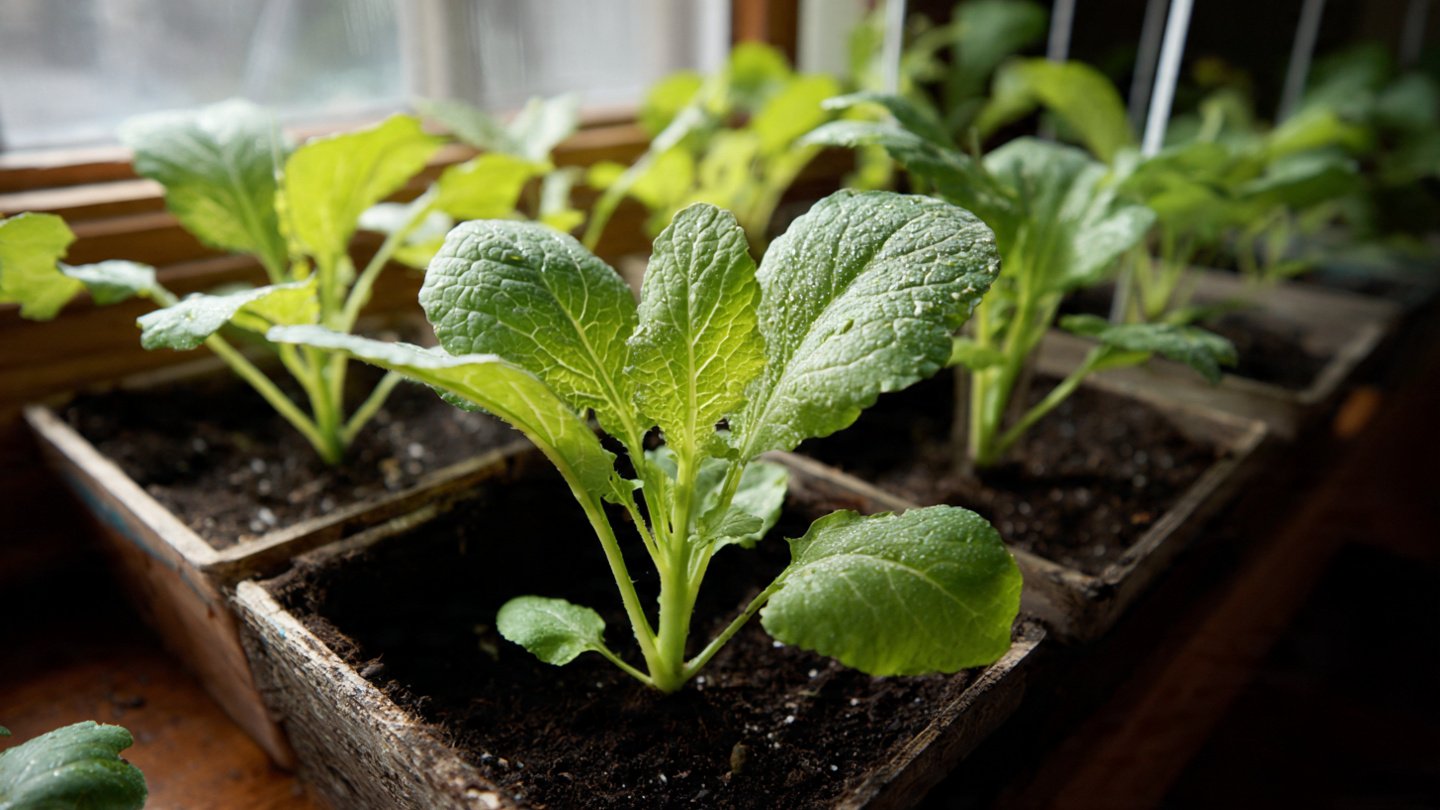
Mustard greens are not only flavorful but also packed with nutrients, making them a fantastic addition to your diet. Growing them indoors year-round can be a rewarding experience, especially when you consider their relatively fast growth rate and adaptability. In this article, we will delve into simple tips on how to successfully grow mustard greens indoors, addressing everything from preparation to maintenance. We’ll also include a FAQs section to answer common questions aspiring indoor gardeners may have.
Understanding Mustard Greens
Before we dive into the specifics of indoor gardening, it’s worth gauging what mustard greens are. These leafy green vegetables belong to the Brassica family and can vary in flavor from mild to spicy, depending on the variety. Popular types of mustard greens include Southern, Japanese Mustard, and Green Wave Mustard.
Nutritional Benefits
Mustard greens are rich in vitamins A, C, and K, as well as calcium and iron. They are low in calories, making them an excellent choice for a healthy diet. By growing them indoors, you can ensure you have a fresh supply, regardless of the season.
Choosing the Right Variety
1. Selecting the Right Seeds
When starting your indoor garden, choose varieties suited for container growth and indoor conditions. Some ideal varieties for indoor gardening include:
- Southern Giant Curled: Frilly leaves with a mild flavor, ideal for salads and cooking.
- Mizuna: A Japanese variety with a mild, peppery taste, great for salads.
- Green Wave: Fast-growing and robust, with a spicy kick.
2. Sourcing Quality Seeds
Purchase your seeds from reputable suppliers or local garden centers to ensure quality germination rates. Check for organic seeds when possible for better taste and health benefits.
Preparing for Indoor Gardening
3. Containers
Select containers with drainage holes. Mustard greens require well-drained soil to thrive. You can use pots, seed trays, or even recycled containers like plastic bottles.
4. Soil
Use high-quality potting mix rich in organic materials. A good mix should typically contain:
- Peat moss
- Vermiculite
- Compost
Make sure the soil has a pH level between 6.0 and 7.0 for optimum growth.
5. Light Requirements
Mustard greens thrive in bright, indirect sunlight. If you’re growing them indoors, aim for about 12-14 hours of light daily. Here are a few options for lighting:
- Natural Light: Place your containers near south-facing windows.
- Grow Lights: If natural light is insufficient, consider using LED grow lights to supplement.
Planting Mustard Greens
6. Planting Seeds
- Seed Depth: Plant seeds about ¼ to ½ inch deep in the soil.
- Spacing: Space seeds about 2-3 inches apart to allow for airflow.
- Watering: Water gently but thoroughly after planting to settle the soil.
7. Germination
Expect germination within 7-14 days. Keep the soil moist but not soggy. A plastic cover over your containers can help retain moisture during germination.
Caring for Your Indoor Mustard Greens
8. Watering
Regularly check the soil moisture level. Water only when the top inch of soil feels dry. Over-watering can lead to root rot, while under-watering will stunt growth.
9. Fertilizing
Indoor plants benefit from regular feeding. Use a balanced liquid fertilizer every 2-4 weeks. When using fertilizer, be mindful not to over-fertilize, as this can lead to nutrient burn or poor flavor.
10. Temperature Control
Mustard greens prefer temperatures between 60°F and 70°F (15°C – 21°C). If your home is warmer, consider using fans to circulate air and keep temperatures manageable.
Pest and Disease Management
11. Monitoring for Pests
In indoor settings, common pests like aphids and spider mites may appear. Regularly check the undersides of leaves and treat infestations with insecticidal soap or neem oil as necessary.
12. Preventing Disease
Good air circulation and appropriate watering techniques can prevent diseases such as downy mildew and root rot. Make sure your containers are spaced out adequately to encourage airflow.
Harvesting Mustard Greens
13. Timing Your Harvest
You can start harvesting mustard greens as soon as they have a few leaves, usually about 30-45 days after planting. For the best flavor, pick young and tender leaves.
14. Method of Harvesting
- Cutting: Use clean scissors or shears to cut leaves from the outer part of the plant, allowing the inner leaves to continue growing.
- Continual Harvesting: Regularly harvest leaves to encourage new growth.
Extending the Growing Season
15. Regrowth Techniques
After harvesting, if the plants are healthy, they may produce new leaves. Continue to care for them as you did initially, and you could enjoy a second or even third harvest.
16. Succession Planting
To ensure a continuous supply, plant new seeds every few weeks. This allows for staggered harvesting, and you won’t run out of fresh greens in your kitchen.
Final Tips for Success
-
Regular Maintenance: Regularly monitor your plants for signs of stress, pests, or diseases. Quick intervention can save your greens.
-
Rotate Plants: To prevent nutrient depletion, consider rotating your mustard greens with other crops like lettuce or herbs.
-
Enjoy the Process: Gardening is as much about the journey as it is about the end result. Enjoy nurturing your plants and preparing fresh meals with your harvest.
FAQs
Q1: Can mustard greens be grown without natural sunlight?
Yes, if natural sunlight is insufficient, using grow lights can provide the required light for your plants. Aim for 12-14 hours of light daily.
Q2: How often should I water my mustard greens?
Watering should be done when the top inch of soil is dry. In general, mustard greens like consistent moisture without being soggy.
Q3: What pests should I look out for when growing mustard greens indoors?
Common pests include aphids, spider mites, and fungus gnats. Regular monitoring and early intervention can help manage these issues.
Q4: How do I know when to harvest my mustard greens?
You can start harvesting when the leaves are about 4-6 inches long. It’s best to pick younger leaves for the most tender and flavorful experience.
Q5: Can I replant mustard greens from the scraps?
Yes, you can regrow mustard greens from the scraps by placing the cut stems in water. However, for continued growth and the best flavor, planting seeds is recommended.
Q6: Are mustard greens easy to maintain?
Yes, mustard greens are relatively low-maintenance compared to other plants. With proper care, they grow quickly and reward you with delicious leaves.
Growing mustard greens indoors year-round is a fulfilling endeavor, filled with both challenges and rewards. By selecting the right variety, creating a suitable growing environment, and maintaining the plants diligently, you can enjoy fresh and nutritious mustard greens in the comfort of your home. Whether they end up in salads, stir-fries, or soups, these greens will certainly elevate your culinary experience!