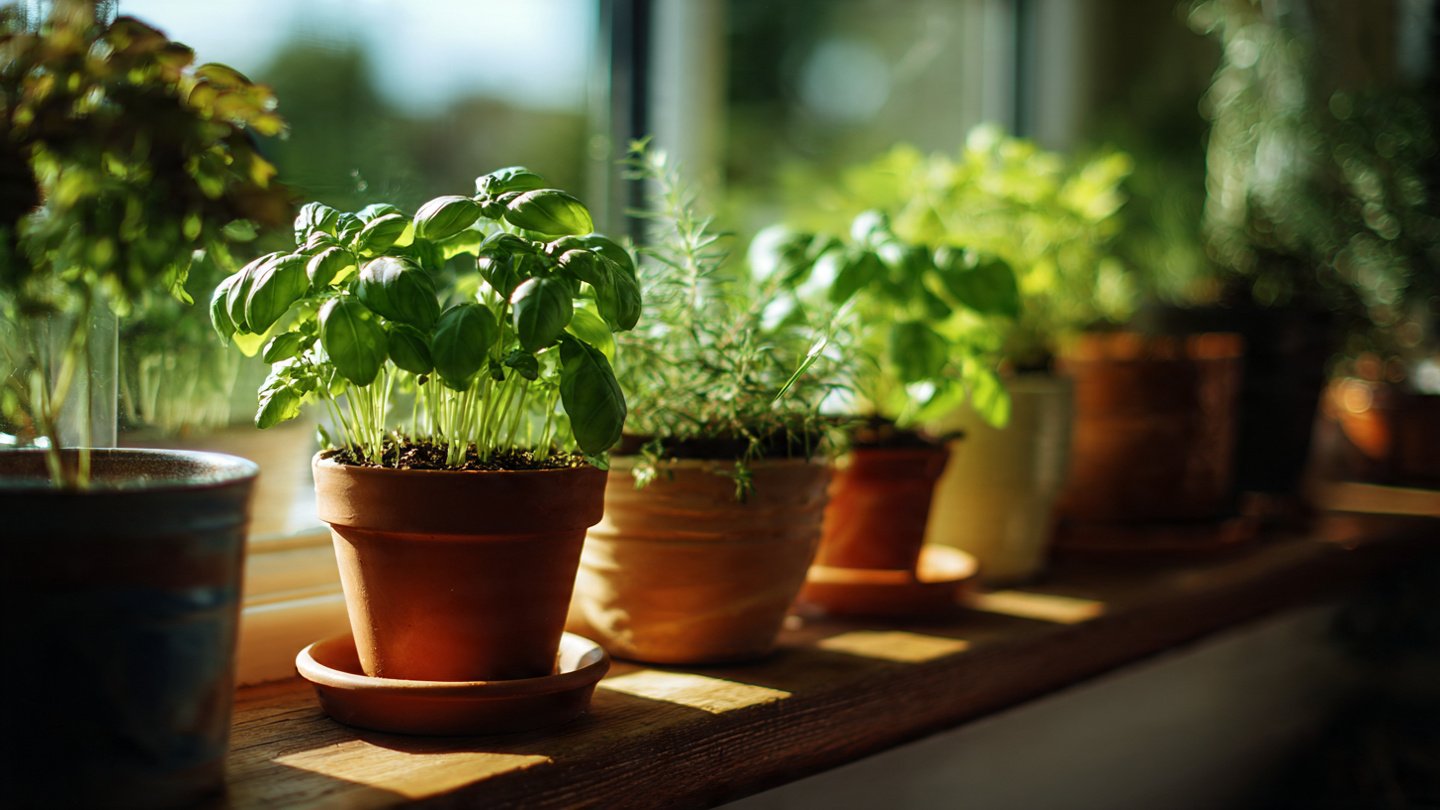
Growing fresh herbs indoors can transform your culinary experiences. Not only do fresh herbs enhance the flavors of dishes, but they also provide health benefits and improve the aesthetics of your home. This guide will help you navigate the journey of cultivating your own indoor herb garden using natural light and straightforward techniques.
Why Grow Herbs Indoors?
Convenience
Having fresh herbs at your fingertips means you can enhance the taste of your dishes without a trip to the grocery store. An indoor herb garden eliminates the hassle of finding specific herbs, ensuring you always have the fresh ingredients you need.
Health Benefits
Herbs are known for their medicinal properties. For example, basil can help reduce inflammation, while mint can aid in digestion. Growing your own herbs at home allows you to harvest them at peak freshness, maximizing their nutrient content.
Aesthetics and Air Quality
Plants improve indoor air quality by absorbing carbon dioxide and releasing oxygen. They also add a touch of greenery to your space, providing a calming and aesthetically pleasing environment.
Choosing the Right Herbs
Not all herbs are suited to indoor growth, especially considering light and space constraints. Here are some of the easiest herbs to grow indoors:
1. Basil
A staple in many kitchens, basil thrives in warm conditions and needs plenty of sunshine. Varieties like Sweet Basil and Genovese are particularly popular.
2. Mint
Mint is a hardy herb that grows well in pots. It prefers a slightly moist environment and tolerates less sunlight than other herbs.
3. Chives
Chives require minimal care and can thrive in varied light conditions, making them perfect for beginners. Their mild onion flavor adds a delightful zing to many dishes.
4. Parsley
Parsley can tolerate indirect sunlight and can grow well in smaller pots. It’s a versatile herb that can be used fresh or dried.
5. Thyme
Thyme requires full sunlight and can thrive in well-drained soil. It has a robust flavor that works well in various cuisines.
Preparing to Grow Herbs Indoors
Selecting the Right Containers
Choose pots with drainage holes to prevent overwatering. Terra cotta pots are a popular choice because they allow for air exchange and can absorb moisture.
Soil Selection
A high-quality potting mix is crucial for healthy plant growth. Look for soil that retains moisture but drains well, typically labeled for indoor plants.
Location Matters
Herbs need a lot of light, typically 6-8 hours a day. Choose a south-facing window if possible, or consider using reflective surfaces to maximize natural light.
Planting Your Herbs
Seeds vs. Starter Plants
Starting from seeds is cost-effective but takes longer. Alternatively, buying starter plants from a nursery can provide immediate gratification.
Planting Procedure
- Fill Pots: Fill your chosen pots with potting mix, leaving some space at the top.
- Moisten the Soil: Water the soil until it’s damp but not soggy.
- Sow Seeds/Plant Starters: Follow the seed packet instructions for spacing. For starters, dig a hole in the soil, place the plant, and cover it gently.
- Label Your Herbs: This can help avoid confusion as your garden grows.
- Watering: Initially, water gently until the plants are established. Ensure that moisture levels remain consistent, avoiding both drying out and waterlogging.
Care and Maintenance
Watering
Herbs generally prefer to be on the drier side. A good rule of thumb is to water when the top inch of soil feels dry. Ensure that excess water drains away to prevent root rot.
Fertilizing
Use a balanced, water-soluble fertilizer occasionally (every 4-6 weeks) to boost growth. Avoid over-fertilizing, as this can impact flavor.
Pruning
Regular pruning encourages bushier growth. Cut back leaves and stems, allowing the plant to regenerate. Snipping off flower buds is essential, as they can divert energy from leaf growth.
Pest Management
Indoor plants can attract pests. Check regularly for signs of aphids, spider mites, or whiteflies. Use a mild insecticidal soap or neem oil if infestations occur.
Maximizing Natural Light
Rotate Plants
If possible, rotate your pots every few days to ensure all sides receive even light. This helps to prevent uneven growth.
Utilize Reflective Surfaces
Placing mirrors or shiny surfaces near your plants can reflect additional light onto them, enhancing their growth without needing extra artificial lighting.
Consider Seasonal Changes
Be aware of seasonal daylight changes. In winter, you may need to rearrange your herbs to ensure they get adequate sunlight.
Harvesting Your Herbs
The great part about indoor herbs is that you can start harvesting once they are well-established. Here’s how to do it wisely:
- Harvest Gently: Use clean scissors or garden shears to snip off leaves or stems. Avoid taking more than a third of the plant at once.
- Timing: Pick herbs in the morning when their essential oils are most concentrated, maximizing flavor.
- Storing Fresh Herbs: Store harvested herbs in a glass of water like flowers, cover them loosely with a plastic bag, or wrap them in a damp paper towel and place them in the fridge.
Troubleshooting Common Issues
Problem: Leggy Growth
This often indicates insufficient light. Move your herbs to a sunnier spot or use reflective surfaces to increase light exposure.
Problem: Browning Leaves
This could be due to various factors—over-watering, under-watering, or pest issues. Evaluate your watering schedule and inspect the plants for pests.
Problem: Slow Growth
Check your soil quality and light conditions. Nutrient deficiencies or inadequate sunlight can hinder growth.
FAQs
1. How much light do indoor herbs need?
Most herbs require 6-8 hours of light daily. A south-facing window is ideal.
2. Can I grow herbs using just fluorescent lights?
Yes, fluorescent lights can work well if natural light is insufficient. Choose full-spectrum bulbs for the best results.
3. Is it better to grow from seeds or starter plants?
Both methods can work well, but starter plants provide immediate gratification, while seeds may offer a broader variety.
4. How often should I water my indoor herbs?
Water when the top inch of soil is dry. Avoid letting the soil become overly soggy.
5. Can I grow herbs in regular potting soil?
Yes, but a specialized potting mix designed for indoor plants often yields better results.
6. How long will it take for my herbs to be ready for harvest?
Most herbs can be harvested in about 4-6 weeks after planting from starters, while seeds may take longer.
7. What should I do if my herbs attract pests?
Inspect the plants regularly and treat any infestations with mild insecticidal soap or neem oil.
Conclusion
Growing herbs indoors using natural light is a rewarding endeavor that can enhance both your culinary creations and your living environment. With just a few simple techniques and the right conditions, you can cultivate a fragrant herb garden right in your home. Remember to enjoy the process, and soon, fresh herbs will become an integral part of your culinary journey! Happy gardening!