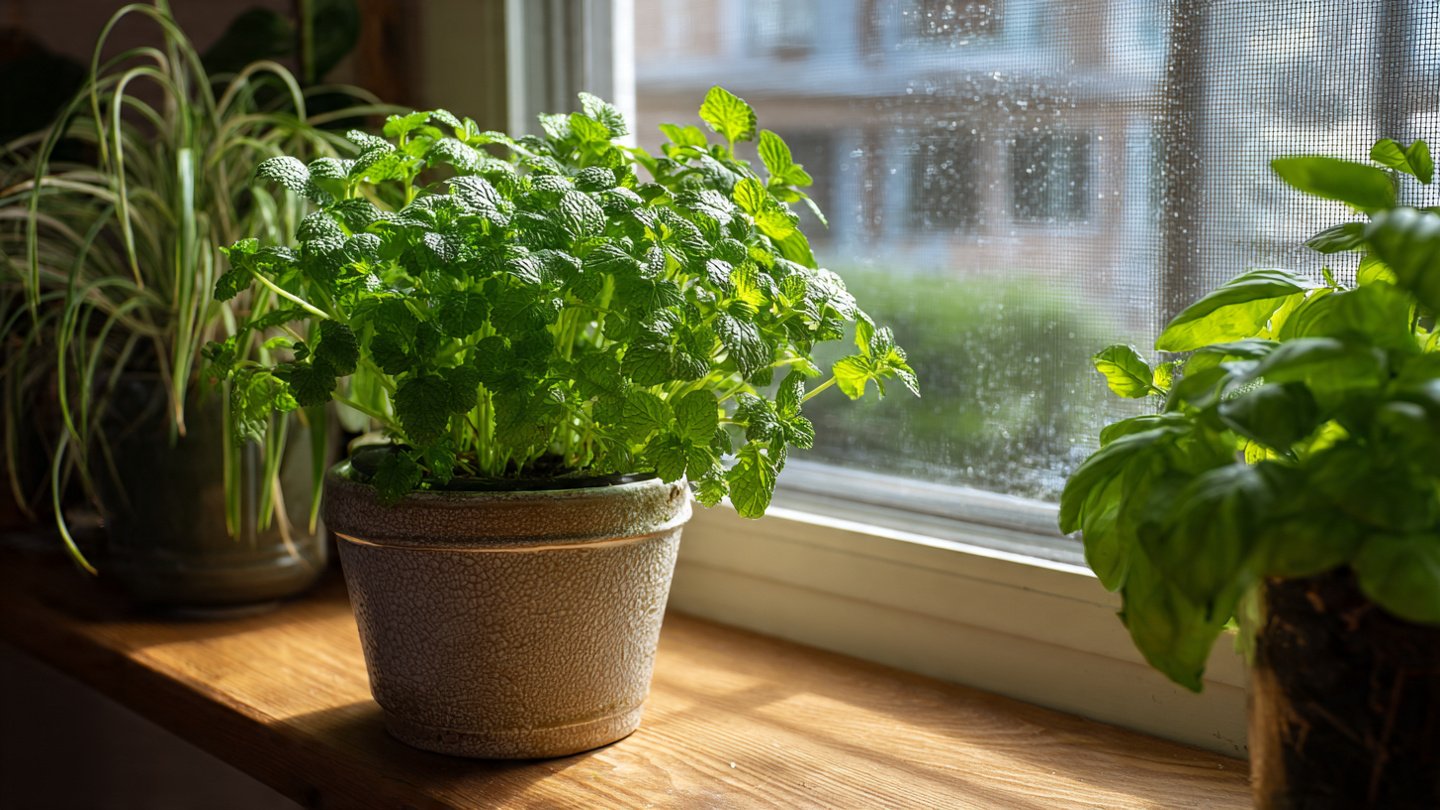
Growing fresh herbs indoors can elevate your culinary endeavors, enhance your home’s ambiance, and even improve air quality. With just a few simple techniques and a bit of natural light, you can create an indoor herb garden that thrives year-round. This guide will take you through every step, ensuring that you can cultivate your favorite herbs successfully.
Choosing the Right Herbs
Before diving into cultivation techniques, it’s essential to select the right herbs for your indoor garden. Consider your cooking habits and the types of herbs you frequently use. Here are some of the easiest herbs to grow indoors:
- Basil: Known for its aromatic leaves, basil is perfect for Italian dishes and can thrive in indirect sunlight.
- Parsley: This versatile herb can enhance various dishes and is relatively easy to grow with adequate light and moisture.
- Cilantro: Good for flavoring Mexican and Asian dishes, cilantro prefers cooler temperatures.
- Mint: This aromatic herb grows rapidly and can flourish in various conditions; however, it can become invasive.
- Thyme: Hardy and drought-resistant, thyme can grow in well-drained soil and doesn’t need immense light.
- Oregano: A staple in Italian cuisine, oregano prefers full sun but can adapt to moderate lighting.
Preparing for Planting
Once you have chosen your herbs, the next step is to prepare for planting. The success of your indoor herb garden depends significantly on your growing medium, containers, and environment.
Selecting Containers
Choose pots that provide good drainage, as excessive moisture can lead to root rot. Clay pots are a popular choice due to their breathability and natural aesthetics. Ensure that the pots have drainage holes at the bottom, or you can place a layer of stones at the bottom of plastic pots to facilitate drainage.
Selecting Soil
Use a high-quality potting mix that’s specifically designed for container gardening. It should be lightweight and porous to promote good drainage while retaining enough moisture. Avoid using garden soil, as it may contain pests and diseases not suitable for indoor conditions.
Location and Light
Natural light is crucial for growing herbs indoors. Here’s how to identify the best location:
- South-Facing Window: A south-facing window typically provides the most consistent sunlight throughout the day. Aim for 6-8 hours of direct sunlight.
- East-Facing Window: An east-facing window can offer a good amount of morning light without the harshness of the afternoon sun.
- Supplemental Lighting: If your available natural light is insufficient, consider using grow lights. LED or fluorescent lights can provide the necessary spectrum for growth.
Planting Your Herbs
Seed vs. Seedlings
You can grow herbs from seeds, seedlings, or even cuttings. While growing from seeds allows for a broader selection, it’s often easier to start with seedlings, especially for beginners.
-
Starting from Seeds:
- Fill your container with potting mix, leaving about an inch of space from the top.
- Sow the seeds according to the packet instructions, typically at a depth of 2-3 times their size.
- Water the soil gently until it’s evenly moist, but not soggy.
- Cover with plastic wrap or a humidity dome until germination occurs.
-
Transplanting Seedlings:
- If transplanting, ensure that seedlings are acclimatized to indoor conditions.
- Water them before transplanting to reduce shock.
- Gently remove the seedlings from their original containers and plant them in your prepared pots.
Watering Techniques
Watering is critical, but it’s vital to strike a balance—herbs prefer slightly damp soil but dislike sitting in water. Here are some tips:
- Check Soil Moisture: Stick your finger into the soil about an inch deep. If it feels dry, it’s time to water.
- Water Evenly: When watering, do so until you see water draining from the bottom of the pot. This ensures that the roots get adequate moisture.
- Avoid Overwatering: Always use pots with drainage holes to prevent water from pooling at the base.
Maintaining Your Indoor Herb Garden
Caring for your herbs is an ongoing process that involves monitoring light, watering, and fertilizing.
Light Management
Ensure that your herbs receive enough light. If your plants start to become leggy or stretch towards the light source, it means they need more sunlight. Rotate your pots weekly to encourage even growth.
Pruning and Harvesting
Regular pruning encourages bushier growth and prevents your herbs from flowering too early, which can alter their flavor.
- Pinching: Pinch off the tips of the stems to promote side shoot growth.
- Harvesting: When ready to use, take leaves from the top, allowing for continued growth. A general rule is to remove no more than one-third of the plant at a time to keep it healthy.
Fertilization
Indoor herbs may require occasional fertilization to replenish nutrients in the soil. Use balanced, all-purpose fertilizers every 4-6 weeks during the growing season. Always follow the recommended dosage.
Pests and Diseases
Indoor herb gardens can be susceptible to pests like aphids, spider mites, and whiteflies. Here’s how to keep them at bay:
- Inspection: Regularly check your plants for any signs of infestation.
- Natural Remedies: If pests are spotted, use a solution of water and mild soap to wash them off. Neem oil is another effective pesticide that is safe for edible plants.
- Good Air Circulation: Ensure that your plants have enough space to avoid overcrowding, which can lead to mold or mildew.
Troubleshooting Common Problems
- Yellowing Leaves: This can indicate overwatering, nutrient deficiency, or insufficient light.
- Leggy Growth: Usually caused by inadequate light; ensure adequate sun exposure or supplement with grow lights.
- Brown Leaf Tips: This may occur from inconsistent watering or dry air. Increase humidity or moisture levels.
Harvesting Your Herbs
Once your herbs are ready for harvest, the process varies slightly based on the herb type:
- Soft Herbs (like basil, mint, and cilantro): Use scissors to snip leaves or stems.
- Hardy Herbs (like thyme and rosemary): Pull off leaves by running your fingers down the stems.
Always harvest in the morning after the dew has dried for the best flavor.
FAQs
1. How much light do indoor herbs need?
Most indoor herbs require 6-8 hours of natural light daily. If natural sunlight is insufficient, consider using grow lights.
2. How often should I water my indoor herbs?
Water when the top inch of soil feels dry. Generally, this could be every few days to once a week, depending on the plant and conditions.
3. Can I grow herbs without access to natural light?
Yes, you can grow herbs using grow lights. Choose full-spectrum LED or fluorescent bulbs designed for plant growth.
4. How do I prevent pests in my indoor herb garden?
Regularly inspect your plants, maintain good airflow, and consider using natural remedies like neem oil to deter pests.
5. When can I start harvesting my herbs?
You can generally start harvesting herbs once they are well-established and have enough foliage, usually a few weeks after planting.
6. How long do indoor herbs usually last?
With proper care, indoor herbs can last for several months to a couple of years, depending on the type of herb and growing conditions.
7. Can I use regular soil from my garden for indoor herbs?
No, it’s best to use a high-quality potting mix formulated for container gardening. Garden soil may contain pests and diseases unsuitable for indoor plants.
Growing herbs indoors using natural light and simple techniques can be incredibly rewarding. With patience and care, you’ll enjoy fresh herbs at your fingertips, enhancing your culinary skills and bringing delightful fragrances into your home. Happy gardening!