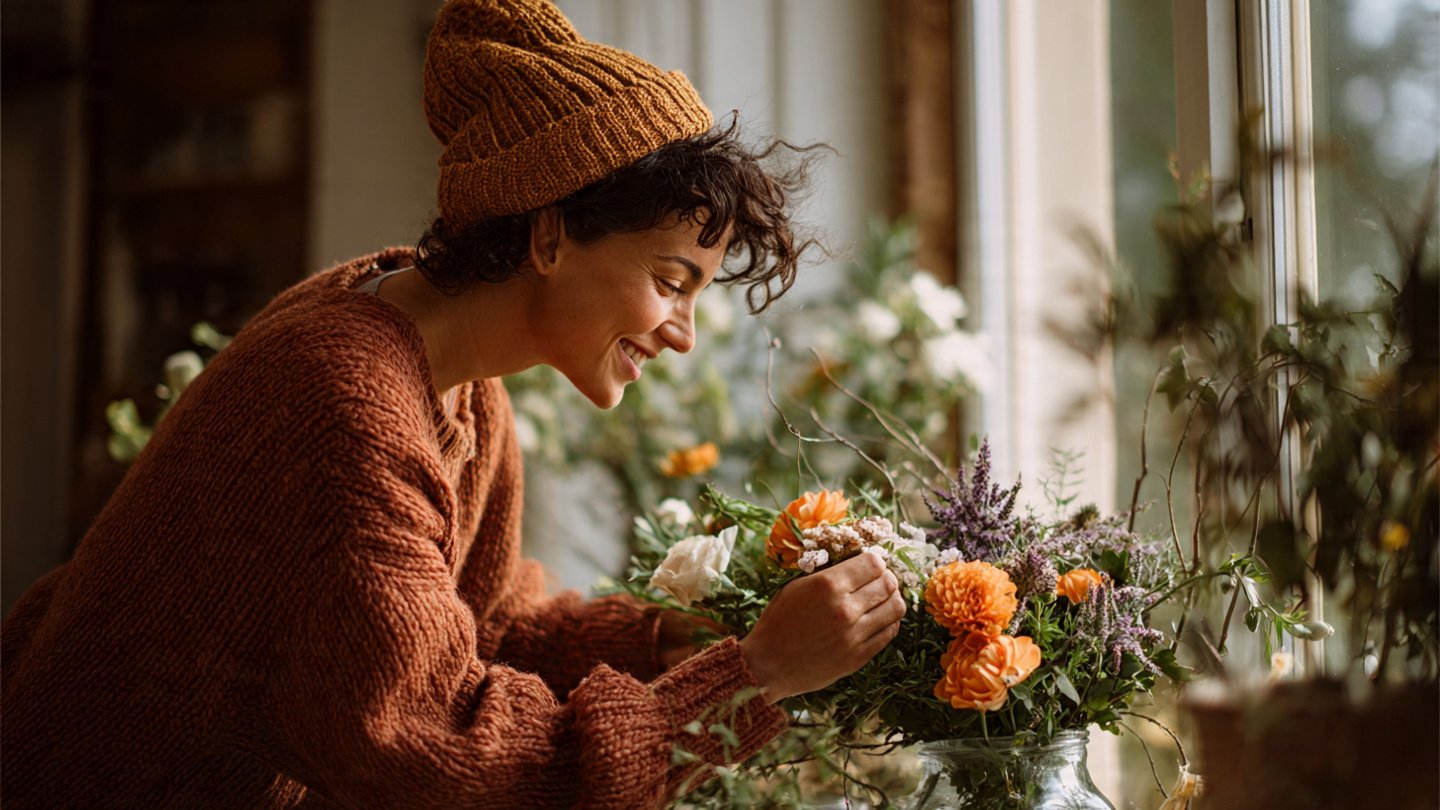
As winter settles in and the world outside grows cold and lifeless, many people experience a common yearning for color and life within their homes. Indoor gardening offers a delightful remedy—bringing vibrancy and beauty right to your doorstep. Growing winter flowers indoors can elevate your living space, improve air quality, and boost your mood. Here’s a comprehensive guide to help you cultivate a magnificent indoor winter garden, complete with practical tips, plant recommendations, and answers to frequently asked questions.
Understanding the Basics of Indoor Gardening
Before diving into specific tips and plant recommendations, it’s essential to understand the basics of indoor gardening:
1. Light Requirements
Different indoor plants have varying light needs. While some thrive in bright, indirect light, others prefer low-light conditions. Assess the available light in your home; windows facing the south and west typically receive the most sunlight, while north-facing windows provide the least.
2. Temperature and Humidity
Most winter flowers prefer temperatures between 60-75°F (15-24°C) during the day and slightly cooler at night. Additionally, indoor heating can decrease humidity levels, so it’s beneficial to maintain a higher humidity range (40-60%) for optimal growth.
3. Soil and Potting
Using quality potting soil is crucial for indoor plants. Look for soil that drains well and retains moisture. Ensure your pots have drainage holes to prevent root rot—a common issue in indoor gardening.
4. Watering Practices
Overwatering is one of the leading causes of plant failure. Check the soil moisture before watering; most indoor plants prefer to dry out a bit between waterings. Use room-temperature water for optimal absorption.
Choosing the Right Winter Flowers
Some winter flowers are particularly well-suited for indoor growth. Below, we outline some popular choices that can brighten your home throughout the season.
1. Poinsettias
Often associated with the holiday season, poinsettias come in various colors beyond the traditional red. They prefer bright, indirect light and moderate humidity. Water them when the top inch of soil feels dry.
2. Christmas Cactus
This resilient plant blooms in bright colors during winter. It enjoys bright, indirect light but can also tolerate some shade. Keep the soil slightly moist but avoid letting it sit in water.
3. African Violets
These charming little plants produce beautiful blooms in various colors. They thrive in moderate light and prefer humidity. Water from the bottom to prevent leaf damage.
4. Amaryllis
A striking flower, amaryllis can produce massive blooms indoors with the right conditions. They prefer bright, direct sunlight for a good portion of the day. Water them moderately, allowing the soil to dry between waterings.
5. Paperwhite Narcissus
These fragrant flowers are easy to grow indoors. They require little maintenance and bloom beautifully. Place them in bright, indirect sunlight and water regularly to keep the soil moist.
6. Orchids
Though often considered high-maintenance, certain orchid varieties are quite achievable for indoor gardeners. They thrive in bright, indirect light and require specific watering techniques—allowing the roots to dry before watering again.
Tips for Growing Winter Flowers Indoors
Growing winter flowers indoors requires thoughtful consideration and care. Here are some top tips to help you create a flourishing indoor garden:
1. Assessing Light Conditions
Before selecting your winter flowers, evaluate the light conditions in your home. If natural light is limited, consider using grow lights, which can provide the necessary spectrum for healthy plant growth. Position your plants according to their light needs, with low-light plants in the shaded areas and sun-loving plants near bright windows.
2. Humidity Control
Using a humidifier is a great way to maintain adequate humidity levels in your home. If you don’t have a humidifier, you can place a shallow dish filled with water and pebbles near your plants or mist them regularly to increase moisture in the air.
3. Proper Watering Techniques
Watering is crucial, yet it’s essential not to overdo it. Use the “finger test”: stick your finger into the soil about an inch deep; if it feels dry, it’s time to water. This method ensures that you water only when necessary, helping to prevent overwatering.
4. Fertilization
Indoor plants often benefit from occasional fertilization during their growing season. Use a balanced, water-soluble fertilizer every four to six weeks. Many winter flowers can thrive on the residual nutrients available in potting soil, so always read your specific plant’s requirements.
5. Pruning and Pinching
Regularly check your plants for dead or yellowing leaves and prune them to encourage new growth and prevent diseases. For plants that flower, pinching off faded blooms encourages further blooming.
6. Diverse Plant Selection
To create visual interest, consider growing a mix of winter flowers with varying heights, colors, and textures. Not only does this make for an eye-catching display, but it also helps create a mini-ecosystem that can benefit all plants involved.
7. Pest Management
Keep an eye out for common indoor plant pests, such as aphids, spider mites, and mealybugs. Use insecticidal soap or neem oil as a natural treatment. Regularly inspecting your plants for signs of trouble can help you address issues before they escalate.
8. Rotate Your Plants
To ensure all sides of your plants receive adequate light, rotate them every few weeks. This will promote even growth and a balanced shape.
9. Companion Planting
Consider using companion planting techniques where you grow supportive plants together. Some flowers can help repel pests or attract beneficial insects, improving the overall health of your indoor garden.
Creating an Indoor Winter Garden
Here are a few tips to create an enchanting winter garden:
-
Use Decorative Pots: Choose visually appealing pots that complement your home decor. Unique containers can add an artistic touch and enhance the overall aesthetic.
-
Plant Arrangement: Arrange your plants by height and color to create a visually balanced display. Place taller plants at the back of plant shelves or tables, with shorter plants in the front.
-
Seasonal Decor: Use seasonal decor such as lights or ornaments that can be themed to your winter flower selection. It’ll make your indoor garden a central part of your home during the colder months.
-
Grouping Plants Together: Grouping plants that have similar needs (light, water, humidity) together can simplify care and create a lush, vibrant display.
FAQs
1. How can I ensure my indoor plants bloom beautifully during winter?
- To promote blooming, ensure your plants receive adequate light, maintain proper watering, and offer support with occasional fertilization. Be mindful of deadheading spent blooms to encourage new growth.
2. What should I do with leftover spring bulbs?
- You can store leftover bulbs in a cool, dry place until fall, when they can be replanted outdoors or forced indoors for winter blooms.
3. How often should I water winter flowers?
- Water based on the needs of your specific plants; generally, most prefer the soil to dry out slightly between waterings.
4. Can I use regular soil for indoor flowers?
- It’s best to use a high-quality potting mix designed for indoor plants. These blends typically have better drainage and moisture retention properties.
5. Why are the leaves on my indoor flowers turning yellow?
- Yellow leaves can indicate various issues, including overwatering, nutrient deficiency, or insufficient light. Assess your plant’s environment to diagnose the cause.
6. Are grow lights necessary for winter flowers?
- While not strictly necessary, grow lights can significantly enhance the growth and blooming of winter flowers, especially in homes with minimal natural light.
Conclusion
Growing winter flowers indoors can be a rewarding and enriching experience, transforming your home into a colorful oasis during the cold months. By understanding the specific needs of each plant and applying thoughtful care, you can create a vibrant indoor garden that brings joy and beauty to your environment. So gather your pots, seeds, and tools, and embark on your winter gardening adventure!