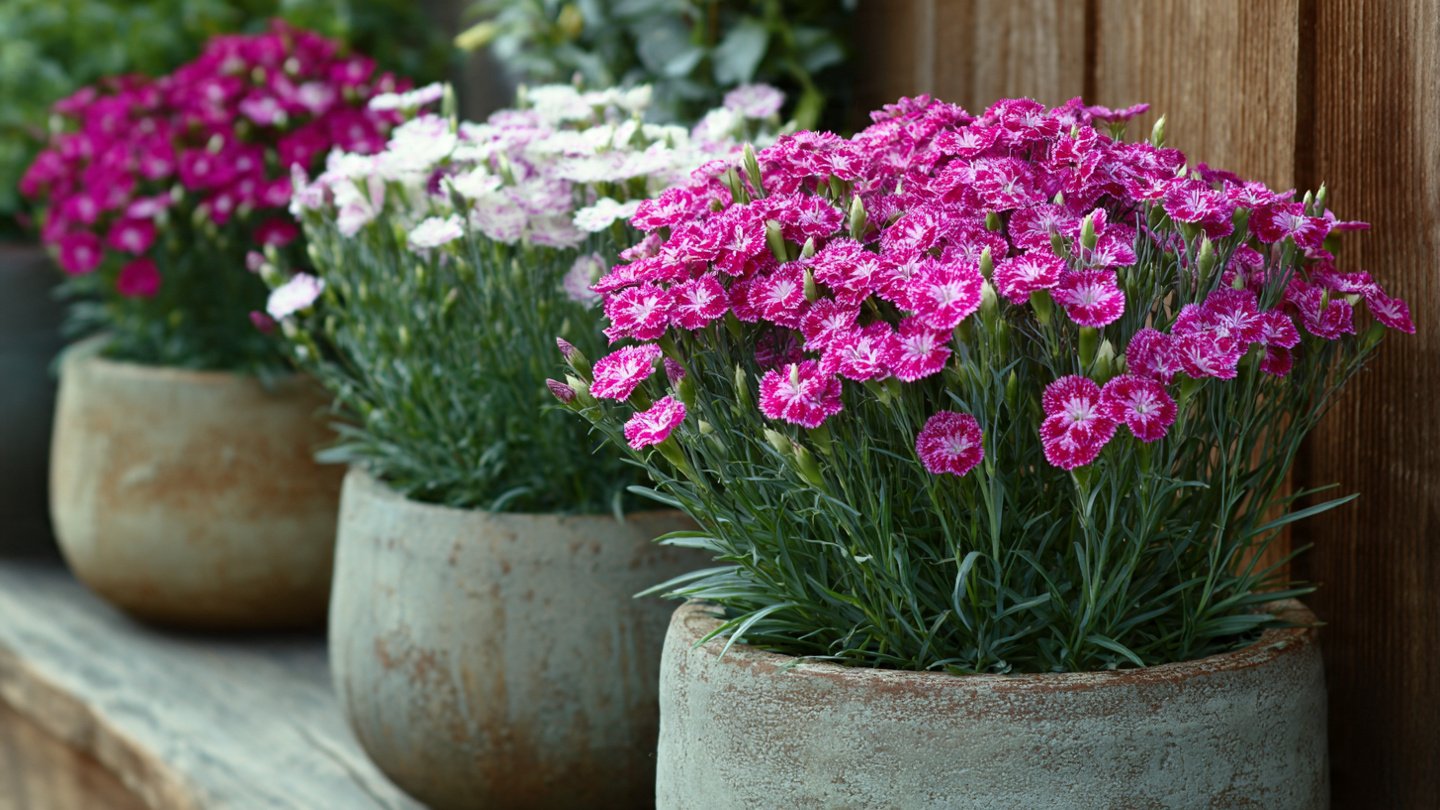
Dianthus, commonly known as pinks, are perennial plants celebrated for their stunning blooms and delightful fragrance. These cheerful flowers come in a variety of colors, including shades of pink, red, and white. Growing them in pots can be an effective way to enhance your garden or balcony, providing a vibrant splash of color throughout the year. With a few simple strategies, you can cultivate healthy and thriving dianthus plants that bloom continuously. This article will guide you through the process, sharing tips and hacks that ensure your dianthus grows beautifully in pots.
The Basics of Dianthus
Varieties of Dianthus
Before you start planting, it’s essential to know the various types of dianthus available. The most common varieties include:
- Dianthus barbatus (Sweet William): Known for its clusters of flowering heads.
- Dianthus gratianopolitanus (Cheddar Pink): Characterized by its pink flowers and dense foliage.
- Dianthus chinensis (China Pink): A compact annual or biennial often used in containers.
Selecting the Right Pot
Choosing the right pot is crucial for the health of your dianthus. Here are some considerations:
- Size: Select a pot that is at least 6 to 8 inches in diameter for small dianthus varieties. Larger pots offer more growing room.
- Material: Terracotta, ceramic, and plastic pots are all suitable. Ensure the pot has adequate drainage holes.
- Weight: Consider the weight of the pot, especially if you plan to move it around. Lighter materials like plastic can be more convenient.
Steps to Grow Dianthus in Pots
1. Choosing the Right Soil
A well-draining potting mix is vital for dianthus health. Choose a mix that includes:
- Peat moss: Retains moisture while allowing excess water to escape.
- Perlite or vermiculite: Improves aeration and drainage.
- Compost: Provides essential nutrients.
2. Planting Dianthus
Timing
The best time to plant dianthus is in the spring or early fall when temperatures are mild. Avoid planting during extreme heat or frost.
Planting Procedure
- Prepare the Pot: Fill the pot with your chosen potting mix, leaving about an inch of space from the rim.
- Make a Hole: Create a small hole in the center for the plant.
- Planting: Gently remove the dianthus from its nursery pot. Loosen any tightly bound roots and place it in the hole. Cover the roots with soil and press down lightly.
- Watering: Water the plant thoroughly right after planting. Ensure excess water drains out.
3. Sunlight Requirements
Dianthus thrives in full sunlight, requiring at least 6 hours of direct sunlight each day. Choose a location on your patio or balcony that receives ample light.
4. Watering
Consistent watering is critical, but it’s essential to avoid overwatering:
- Check Soil Moisture: Stick your finger into the soil about an inch deep. If it feels dry, it’s time to water.
- Watering Schedule: Water thoroughly until it drains from the bottom, but allow the soil to dry slightly between waterings.
5. Fertilizing
To encourage robust growth and abundant blooms, regular fertilization is necessary:
- Type: Use a balanced, water-soluble fertilizer (like a 10-10-10 formula).
- Frequency: Fertilize once a month during the growing season (spring and summer).
6. Pruning and Deadheading
Regular pruning helps promote bushy growth and encourages new blooms.
- Deadheading: Remove spent flowers as they fade. This process encourages the plant to produce more blooms.
- Pruning: In late summer or early fall, cut back the plant to stimulate fresh growth.
7. Protecting Your Plants
Dianthus is susceptible to certain pests and diseases. Here’s how to minimize risks:
- Pests: Look out for aphids and spider mites. Use insecticidal soap or neem oil if you notice infestations.
- Diseases: Ensure good air circulation around the plants. Avoid overhead watering to minimize fungal diseases.
8. Winter Care
If you live in a region with cold winters, consider these tips to protect your pots:
- Bring Indoors: If possible, bring potted dianthus indoors to a cool, bright location during winter months.
- Mulching: Apply a layer of mulch on the soil’s surface to insulate the roots.
Seasonal Care
Spring
In spring, check for new growth and begin your fertilization regimen. This is also a great time to repot if the plant has outgrown its container.
Summer
Watch your plants for signs of stress during the hotter months. Increase watering as needed, particularly during heat waves.
Fall
As the temperatures begin to cool, reduce watering and fertilization. Deadhead any spent flowers to encourage one last round of blooms.
Winter
Prepare your plants for dormancy. If your climate allows, a light trim can help them rejuvenate in the spring.
Creative Container Ideas
Don’t limit your imagination when choosing pots for your dianthus:
- Hanging Baskets: Perfect for trailing varieties.
- Stacked Planters: Create a vertical garden with multiple tiers.
- Unique Containers: Utilize old boots, teacups, or wooden crates for a unique aesthetic.
Troubleshooting Common Problems
- Dull Leaves: This could indicate a lack of nutrients. Fertilize accordingly.
- Leggy Growth: This usually means not enough light. Move your pots to a sunnier location.
- Brown Tips: This may suggest underwatering or a need for higher humidity.
FAQs
1. How often should I water dianthus in pots?
Water your dianthus when the top inch of soil feels dry. This can vary from every few days to weekly, depending on the temperature and humidity.
2. Can I grow dianthus indoors?
Yes, you can grow dianthus indoors as long as they receive sufficient sunlight—ideally 6 hours of direct light.
3. What is the best fertilizer for dianthus?
A balanced water-soluble fertilizer, such as a 10-10-10 formula, will provide the necessary nutrients for healthy growth.
4. How do I encourage more blooms on my dianthus?
Regular deadheading and proper fertilization can encourage your dianthus to produce more blooms.
5. What are the most common pests that affect dianthus?
Common pests include aphids and spider mites. Look for signs of damage and treat them with insecticidal soap or neem oil.
6. Can dianthus survive winter?
Dianthus can survive winter in milder climates. In colder areas, consider bringing pots indoors or using mulch to protect the roots.
7. Do dianthus attract bees and butterflies?
Yes, dianthus flowers are attractive to bees and butterflies, making them a wonderful addition to any pollinator-friendly garden.
Conclusion
Growing dianthus in pots is an incredibly rewarding endeavor, allowing you to enjoy vibrant blooms throughout the year. With the right care, you can create stunning displays that enhance your outdoor spaces. By following the tips outlined in this guide, you are well on your way to cultivating healthy, thriving dianthus plants that will bring joy and beauty to your home. Happy gardening!