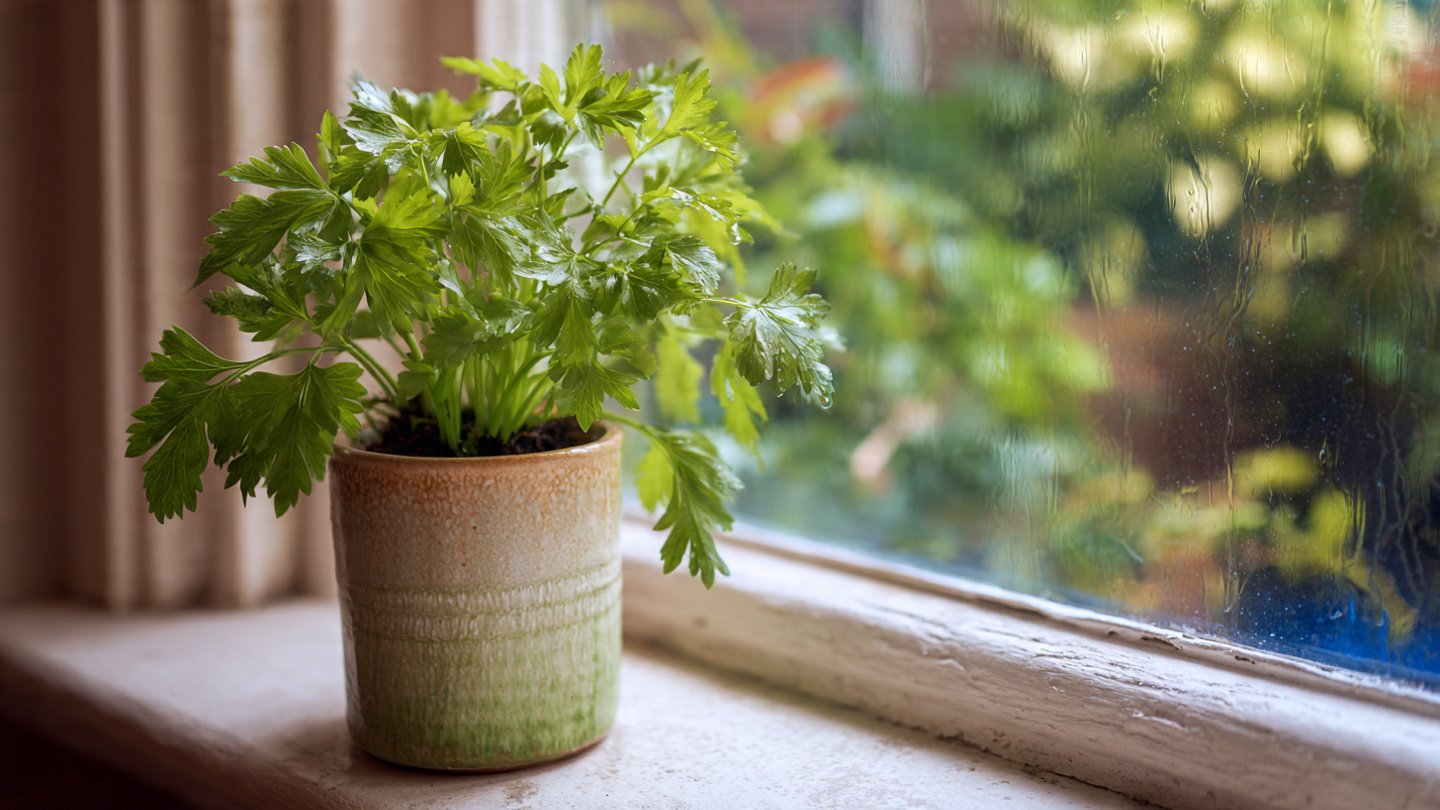
Growing celery indoors can be a rewarding experience, particularly for home cooks looking to enhance their dishes with fresh, flavorful ingredients. This guide provides a straightforward technique for cultivating celery indoors all year round, emphasizing simplicity and flavor. With a minimal amount of effort, you can have crisp, vibrant celery stalks at your fingertips whenever you need them.
Why Grow Celery Indoors?
Celery (Apium graveolens) is a versatile, nutritious vegetable commonly used in salads, soups, and a variety of dishes. Growing it indoors has several benefits:
-
Freshness: There’s nothing quite like harvesting your own produce. Freshly picked celery retains more nutrients and flavor than store-bought.
-
Convenience: Having celery at home means you can easily add it to recipes without an extra trip to the grocery store.
-
Year-Round Availability: With proper techniques, you can enjoy celery regardless of the season.
-
Control Over Growing Conditions: Indoor gardening allows you to manage factors like light, temperature, and pests, giving you better control over your celery’s growth.
The Ultimate Simple Technique for Growing Celery Indoors
1. Choosing the Right Variety
For indoor growth, select a variety that’s suited for compact spaces. ‘Golden Turnip’ and ‘Tall Utah’ are excellent choices, known for their flavor and growth patterns.
2. Prepare the Containers
Choose containers that are at least 12 inches deep and 10-12 inches wide. Celery requires sufficient space for roots to grow. Make sure the containers have drainage holes to prevent waterlogging, which can lead to root rot.
3. Soil Selection
Opt for a high-quality potting mix that retains moisture but drains well. Celery thrives in slightly acidic soil with a pH between 6.0 and 7.0. You can enhance your potting mix by adding organic compost to provide essential nutrients.
4. Seed Starting
You can start celery from seeds or propagate it from leftover celery stalks. If starting from seeds:
-
Soak the Seeds: Soak celery seeds in water for about 24 hours before planting to enhance germination rates.
-
Planting: Plant seeds about ¼ inch deep in the prepared soil. Space them 2-3 inches apart. Cover lightly with soil, water gently, and place in a warm, bright area to germinate.
5. Propagating from Leftover Stalks
If you have leftover celery stalks from your kitchen, you can easily propagate them:
- Cut the base of the stalks about 2-3 inches from the bottom.
- Place the cut end in a shallow dish of water, ensuring that the stalks are submerged about an inch.
- Place the dish in a sunny location, changing the water every few days.
- After about a week, roots will begin to sprout, and you can transfer the new plant into soil.
6. Light Requirements
Celery requires at least 6 hours of sunlight per day. If you don’t have a bright window, consider using grow lights. Position the lights a few inches above the plants and switch them on for 12-16 hours a day to mimic natural sunlight.
7. Watering
Keep the soil consistently moist but not soggy. Celery thrives in humid conditions, so consider misting the leaves if your indoor environment is very dry. Establish a regular watering schedule, checking the top inch of soil; if it’s dry, it’s time to water.
8. Fertilization
Fertilize your celery every 4-6 weeks with a balanced, water-soluble fertilizer. Look for a formula high in nitrogen, as this will promote healthy, leafy growth. Dilute according to package instructions to avoid over-fertilization, which can damage the plant.
9. Temperature and Humidity
Celery grows best in temperatures between 60°F and 70°F (15°C to 21°C). Keep your indoor environment consistent. If your home is particularly dry, using a humidifier can help create the necessary humidity level.
10. Pest Management
While growing celery indoors reduces the risk of pests, be vigilant. Check for signs of aphids, spider mites, or whiteflies. If you notice any pests:
- Neem Oil: Spray with a diluted neem oil solution, which is safe for indoor plants and effective against pests.
- Insecticidal Soap: This can also clear infestations without harming your plants.
11. Harvesting
Celery takes about 3-4 months from seed to harvest. When the stalks are about 8-12 inches tall, you can begin harvesting:
- Cut the outer stalks first with a sharp knife, allowing the inner stalks to continue growing.
- If you prefer to harvest the entire plant, cut at the base just above the soil line.
12. Storing Your Celery
If you can’t use your celery right away, store it in the refrigerator. Keep it in a perforated plastic bag to maintain humidity and prevent wilting.
Tips for Maximum Flavor
-
Consistent Watering: Make sure to maintain a consistent watering schedule, as fluctuations can cause bitterness.
-
Avoid Overcrowding: Make sure your plants have enough space to grow. Overcrowded celery will stunt growth and reduce flavor.
-
Minimal Stress: Be gentle when handling your plants; less stress means better growth and flavor!
Troubleshooting Common Issues
1. Yellowing Leaves
- Cause: This could be due to overwatering or nutrient deficiencies.
- Solution: Check soil moisture and consider applying a balanced fertilizer.
2. Stunted Growth
- Cause: Possibly due to inadequate light or overcrowding.
- Solution: Ensure each plant has sufficient growing space and receive enough light.
3. Wilting Leaves
- Cause: This is often a sign of underwatering or heat stress.
- Solution: Increase watering and maintain a stable temperature.
FAQs
Q1: How long does it take for celery to grow from seeds?
A: Celery usually takes about 3-4 months to grow from seeds to harvestable stalks.
Q2: Can I grow celery in a small apartment?
A: Yes! Celery can thrive in small spaces as long as you provide adequate light and watering.
Q3: What if I don’t have enough sunlight?
A: If natural sunlight is limited, consider using grow lights to provide the necessary light for healthy growth.
Q4: How do I know when to harvest celery?
A: Harvest celery when the stalks reach 8-12 inches in height but ensure you leave some inner stalks to continue growing.
Q5: Can celery regrow after harvesting?
A: Yes, if you cut the outer stalks and leave the inner ones intact, they will continue to grow.
Q6: What pests should I watch out for when growing celery indoors?
A: Common indoor pests include aphids, spider mites, and whiteflies. Regularly check your plants for any signs of infestation.
Conclusion
Growing celery indoors year-round is a simple yet rewarding endeavor that requires minimal effort and can yield delicious, fresh stalks. By following the techniques outlined above, anyone can cultivate this delightful vegetable, enriching their kitchen with vibrant flavors and satisfying crunch. Whether you’re a seasoned gardener or a beginner, this guide provides all the steps to enjoy homegrown celery in your culinary creations throughout the year. Happy gardening!