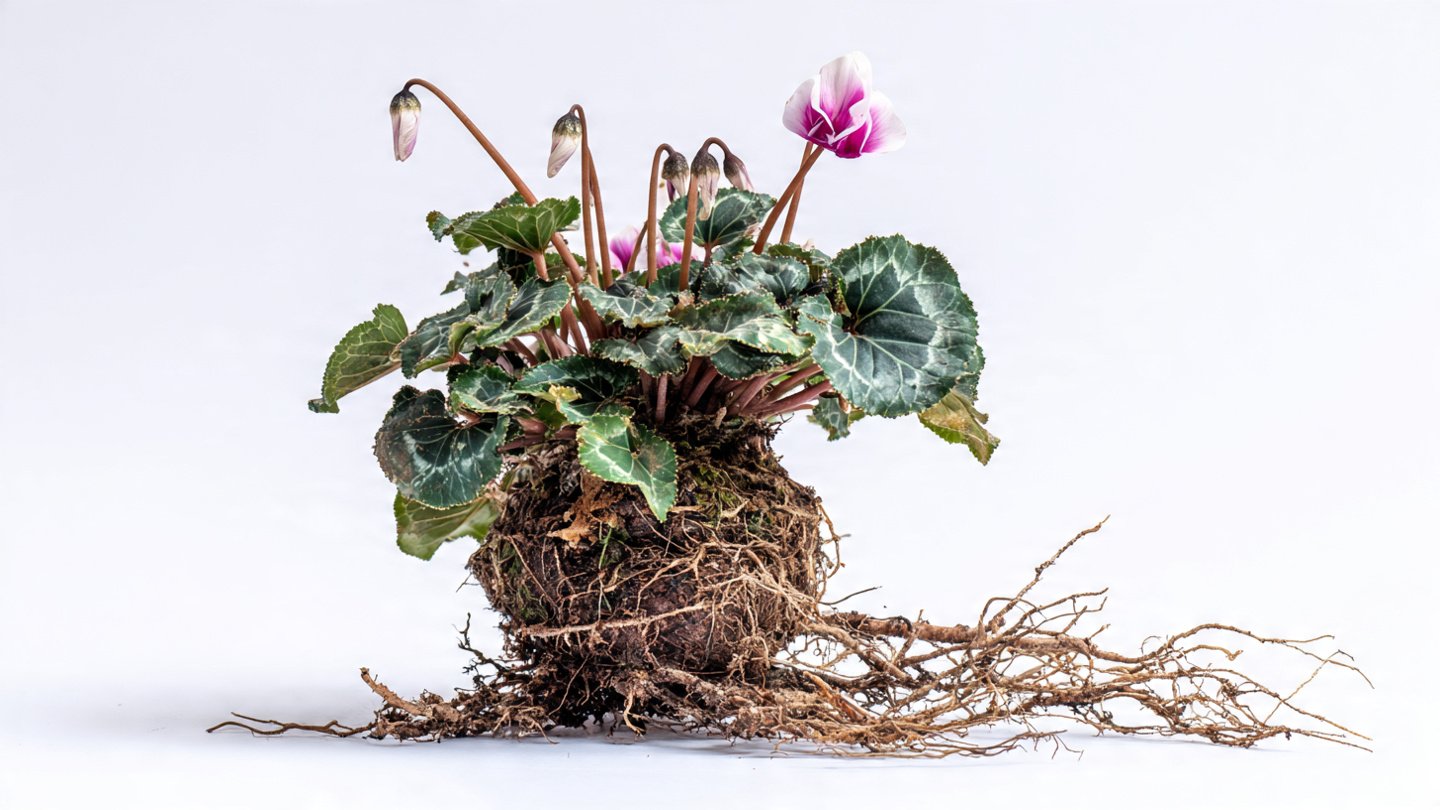
Cyclamen, with their stunning flowers and attractive foliage, are a popular choice among indoor and outdoor gardeners alike. However, one of the primary concerns surrounding Cyclamen care is the prevention of root rot, which can quickly become a gardener’s nightmare. This article will delve into the best practices for growing healthy Cyclamen plants while minimizing the risk of rotting roots.
Understanding Cyclamen
A Brief Overview
Cyclamen is a genus of flowering plants in the family Primulaceae. Known for their attractive, heart-shaped leaves and vibrant, tubular flowers that bloom from winter into spring, these plants are native to Europe and the Mediterranean region. Cyclamen are commonly grown both as houseplants and outdoor perennial plants.
Varieties
The most popular species of Cyclamen include:
- Cyclamen persicum: Often grown as a houseplant, known for its large flowers.
- Cyclamen hederifolium: A hardy species for outdoor cultivation, noted for its ivy-shaped leaves and smaller blooms.
- Cyclamen coum: Similar to Cyclamen hederifolium but typically flowers a bit earlier.
Understanding the specific needs and characteristics of the type of Cyclamen you’re cultivating is crucial for their successful growth.
Ideal Growing Conditions
Temperature and Light
Cyclamen thrive in moderate temperatures, ideally between 60°F and 75°F (15°C to 24°C). They prefer bright, indirect light but can tolerate some direct sunlight. However, too much direct sunlight may scorch the leaves and flowers.
Soil Requirements
The choice of soil is vital for Cyclamen health. A well-draining, lightweight potting mix is ideal. This can be achieved by using a combination of:
- Potting soil: To provide nutrients.
- Perlite or pumice: To enhance drainage.
- Peat moss or coconut coir: To retain some moisture without becoming soggy.
A pH of 6.0 to 6.5 is optimal for Cyclamen.
Watering Techniques
Overwatering is a leading cause of root rot in Cyclamen. Here are some essential tips for effective watering:
- Frequency: Water only when the soil is dry to the touch. In general, Cyclamen require moderate watering during their growing season (fall to spring) and much less during dormancy.
- Method: Water from the bottom by placing the pot in a dish of water for about 30 minutes, allowing the roots to absorb moisture without becoming soggy.
Humidity Levels
Cyclamen enjoy moderate humidity, ideally between 40% and 60%. If your home is drier, consider using a humidity tray or a room humidifier to maintain ideal moisture levels.
Preventing Root Rot
Choice of Pot
Choosing the right pot is another practical way to prevent root rot. Clay pots with drainage holes are ideal, as they allow excess moisture to evaporate. Plastic pots can retain moisture for longer periods, which may encourage rot if not monitored closely.
Fertilization Practices
Fertilizing Cyclamen appropriately minimally impacts root health. Use a diluted, balanced liquid fertilizer every two weeks during the growing season, but avoid over-fertilizing.
Signs of Root Rot
Being able to identify the signs of root rot early can save your plant:
- Wilting Leaves: Leaves may droop despite adequate watering.
- Brown or Black Roots: Healthy roots should be white or light tan. Discolored roots often indicate rot.
- Foul Smell: An unpleasant odor from the soil is typically a sign of decaying roots.
If you suspect root rot, act quickly by removing the plant from its pot and trimming away affected roots with sterilized scissors.
Managing Dormancy
Cyclamen enter a dormant period post-bloom (typically late spring). During this time, gradually reduce watering until the plant is almost dry. This practice allows the plant’s energy to redirect into the tuber rather than excessive foliage growth.
Best Practices for Outdoor Cyclamen
If you’re growing Cyclamen outdoors, you’ll need to consider additional factors:
Planting Location
Select a spot that receives partial shade, especially during the hottest part of the day. Cyclamen can tolerate some direct sunlight but too much exposure may stress the plant.
Mulching
Applying a layer of organic mulch around the plants can help retain moisture and keep the soil temperature moderate.
Protecting from Rain
Heavy rainfall can lead to waterlogging, which is detrimental to Cyclamen roots. Use a raised bed or pot to ensure proper drainage. Alternatively, provide some form of shelter to divert excess rainwater.
Pests and Diseases
While root rot is a significant concern, Cyclamen can also be susceptible to pests such as aphids, snails, and spider mites. Regular monitoring of your plants and quick action when you detect pests can keep your plants healthy.
Prevention Strategies
- Regular Inspection: Frequently check under leaves and in the soil for signs of pests.
- Natural Remedies: If pests are detected, consider using neem oil or insecticidal soap as a natural means of control.
FAQs about Growing Cyclamen
Q: How often should I water my Cyclamen?
A: Water your Cyclamen when the top inch of soil feels dry. This typically means watering every 1-2 weeks, depending on the season and humidity.
Q: What should I do if my Cyclamen is not blooming?
A: If your Cyclamen is healthy but not blooming, it may not be receiving enough light or proper nutrients. Ensure it has access to bright, indirect light and is being fed appropriately.
Q: Can Cyclamen be grown indoors?
A: Yes! Cyclamen are popular houseplants that thrive indoors when provided with the right care—moderate light, humidity, and careful watering are key.
Q: Why are my Cyclamen leaves turning yellow?
A: Yellowing leaves may be a sign of overwatering, insufficient light, or nutrient deficiency. Assess your care routine to determine the cause.
Q: How can I propagate Cyclamen?
A: Cyclamen can be propagated by division during the dormancy period. Carefully separate the tubers and replant them in well-draining soil.
Q: How can I revitalize a Cyclamen exhibiting signs of root rot?
A: Remove the plant from its pot, trim away affected roots, and repot it in fresh, well-draining soil. Limit watering until the plant begins to show signs of recovery.
Conclusion
Growing Cyclamen can be a rewarding endeavor when proper attention is paid to their unique requirements. By understanding their growing conditions, watering needs, and various preventive measures against root rot, you can enjoy vibrant blooms and healthy foliage year after year.
With these best practices at your disposal, you can cultivate your Cyclamen confidently, savoring its beauty without the fear of losing it to the dreaded root rot. Happy gardening!