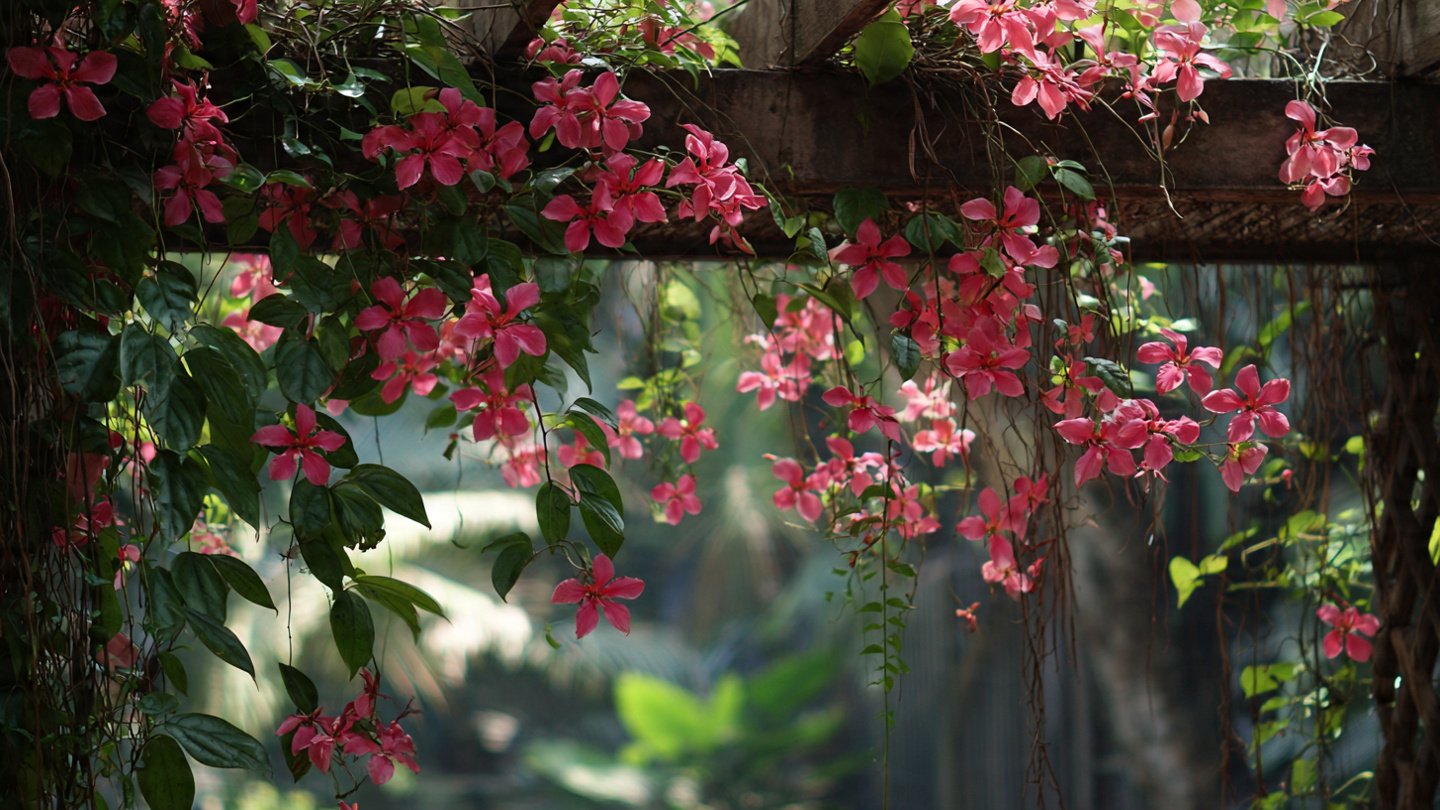
The Rangoon Creeper (Quisqualis indica), also known as Chinese Honeysuckle, is a fast-growing, evergreen climbing vine that captivates gardeners with its fragrant, tubular flowers that transform in color from white to pink and deep red. Easily trained to grow along trellises, fences, or arbors, this plant is an excellent choice for adding vertical interest and a splash of color to any garden. This guide will walk you through everything you need to know about growing Rangoon Creeper on a trellis, ensuring that your climbing vines thrive and create a stunning display.
Introduction to Rangoon Creeper
General Information
Rangoon Creeper is native to Southeast Asia but thrives in various climates, making it a popular choice among gardeners worldwide. It is a perennial vine, meaning it will return each year, allowing for long-term garden beauty. The plant grows vigorously, sometimes reaching heights of 20 feet or more, making it ideal for covering structures. Its blossoms, which emanate a sweet fragrance especially at night, attract pollinators like bees and butterflies.
Cultural Significance
In many cultures, the Rangoon Creeper symbolizes love and romance due to its beautiful blooms and delightful aroma. It is often used in traditional medicine and is known to have various health benefits. Beyond its aesthetic appeal, the plant also contributes to the ecological balance by providing food and habitat for diverse wildlife.
Step-by-Step Guide to Growing Rangoon Creeper on a Trellis
Step 1: Choosing the Right Location
- Sunlight: Rangoon Creeper thrives in full sun to partial shade. For optimal flowering, choose a location that receives at least six hours of direct sunlight daily.
- Soil Type: Well-drained, loamy soil with a slightly acidic to neutral pH (6.0 to 7.0) promotes healthy growth. Consider amending heavy clay or sandy soils for better drainage and nutrient retention.
- Trellis Placement: Ensure the trellis is sturdy enough to support the vine’s growth. Position it in a location where it can be a focal point of your garden or landscape.
Step 2: Preparing the Soil
- Clearing the Area: Remove any weeds, rocks, or debris from the area where you plan to plant.
- Soil Amendment: Mix in organic matter such as compost or well-rotted manure to enhance soil fertility. This will improve soil structure, drainage, and nutrient availability.
- Testing Soil: Consider testing the soil pH and nutrient levels to ensure an optimal growing environment.
Step 3: Planting
- Selecting Plants: Purchase healthy Rangoon Creeper plants or cuttings from a reputable nursery. Look for plants with vibrant leaves and no signs of disease.
- Planting Time: The best time to plant is in the spring or early summer, after the last frost, when the soil is warm.
- Planting Technique:
- Dig a hole twice the width and depth of the root ball.
- Carefully remove the plant from its container and gently loosen the roots.
- Position the plant in the center of the hole, ensuring the top of the root ball is level with the soil surface.
- Backfill with soil, firming it gently around the base.
- Water thoroughly after planting.
Step 4: Training the Vine
- Initial Support: Use soft ties or garden twine to loosely attach the young vine to the trellis, allowing for natural growth.
- Pruning: Regularly prune the vine to encourage bushiness and remove any dead or discolored growth. This not only promotes a healthier plant but also encourages more blooms.
- Encouraging Growth: As the vine starts to grow, guide it along the trellis, wrapping it gently around support beams. This will help shape its growth and maximize coverage.
Step 5: Providing Care
- Watering: Water the plant regularly, especially during dry spells. The soil should be kept consistently moist but not soggy. Drip irrigation is an efficient method to ensure even moisture distribution.
- Fertilization: Feed the vine with a balanced fertilizer every six to eight weeks during the growing season to promote healthy growth and flowering. A fertilizer high in phosphorus will encourage blooming.
- Mulching: Apply a 2-3 inch layer of organic mulch around the base of the plant. This will help retain soil moisture, suppress weeds, and regulate soil temperature.
Step 6: Dealing with Pests and Diseases
- Common Pests: Watch for common pests such as aphids, mealybugs, and spider mites. Use insecticidal soap or neem oil for treatment as needed.
- Diseases: Keep an eye out for root rot, powdery mildew, and fungal infections. Ensure proper spacing for air circulation and avoid overhead watering to minimize disease risk.
Step 7: Enjoying the Blooms
- Timing: Rangoon Creeper typically blooms from late spring through fall, depending on your climate. The flowers attract numerous pollinators, creating a lively environment in your garden.
- Cut and Enjoy: Use cut flowers in arrangements indoors. The sweet scent will enhance the ambiance of any room.
Maintenance Tips for a Thriving Rangoon Creeper
- Regular Pruning: Scientists recommend pruning in late winter or early spring to shape the plant and remove any dead or overgrown areas.
- Support Structures: Regularly inspect the trellis for stability, ensuring it can support the vine’s weight as it grows.
- Seasonal Adjustments: Adjust care practices based on seasonal changes. For example, reduce watering in the winter months.
Common Challenges
- Slow Growth: If your Rangoon Creeper is not growing as expected, check for nutrient deficiencies, insufficient sunlight, or poor soil conditions.
- Lack of Flowers: If the plant is healthy but not blooming, ensure it receives enough sunlight and is adequately fertilized.
- Invasive Tendencies: While attractive, Rangoon Creeper can become invasive due to its aggressive growth. Regular pruning and careful management are crucial.
FAQs
1. How fast does Rangoon Creeper grow?
Rangoon Creeper is a very fast-growing vine that can reach up to 20 feet in a single growing season under favorable conditions.
2. Does Rangoon Creeper require a lot of sunlight?
Yes, Rangoon Creeper thrives in full sun to partial shade. It prefers at least six hours of direct sunlight daily for optimal blooming.
3. Can I grow Rangoon Creeper in containers?
While it’s possible, growing Rangoon Creeper in containers requires regular maintenance and frequent watering since the soil can dry out quickly.
4. Is Rangoon Creeper deer-resistant?
No, Rangoon Creeper is not considered deer-resistant. If deer are prevalent in your area, it may be necessary to implement protective measures.
5. Can Rangoon Creeper survive frost?
Rangoon Creeper is sensitive to frost and may not survive harsh winters. In colder regions, consider growing it in a container and bringing it indoors during winter.
6. How often should I prune my Rangoon Creeper?
Regular pruning is crucial. Aim to prune it at least once a year in late winter or early spring to maintain shape and encourage growth.
7. What are the best fertilization practices?
Use a balanced fertilizer every six to eight weeks during the growing season. A phosphorus-rich fertilizer will encourage more blooms.
8. How can I propagate Rangoon Creeper?
Rangoon Creeper can be propagated from stem cuttings or by layering. Ensure cuttings are taken from healthy plants.
Conclusion
Growing Rangoon Creeper on a trellis can transform your garden into a vibrant and fragrant oasis. By following the steps outlined in this guide and incorporating best maintenance practices, you can enjoy the beauty of this climbing vine for years to come. With its unique flowers and sweet scent, the Rangoon Creeper is not only a treat for the eyes but also a wonderful way to invite nature into your outdoor space. So grab your gardening tools, prepare your trellis, and get ready to nurture this wonderful plant!