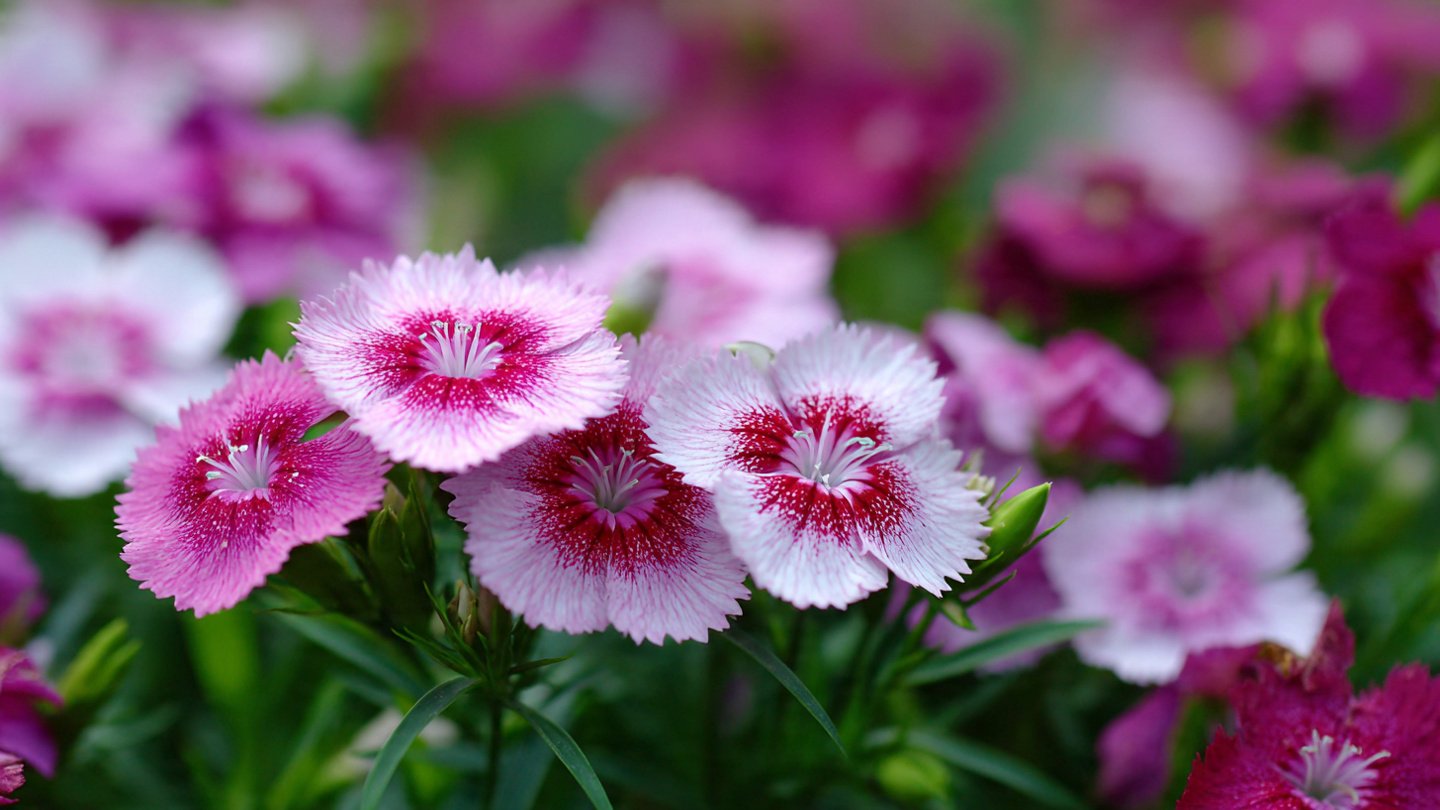
Dianthus, commonly known as carnations or pinks, are cherished not only for their stunning appearance but also for their pleasant fragrance. These perennial plants bloom in a riot of colors, making them a favorite among gardeners. While many flowers thrive in the summer heat, Dianthus boasts impressive resilience, allowing it to flourish even in cooler seasons. This article will guide you through the process of cultivating these beautiful flowers in cooler climates, ensuring your garden remains vibrant throughout the year.
Understanding Dianthus
1. Varieties of Dianthus
Dianthus species vary widely, giving gardeners an array of choices. Here are a few popular varieties:
- Dianthus caryophyllus (Carnation): Known for its large, fragrant blooms, this variety is widely used in floral arrangements.
- Dianthus barbatus (Sweet William): Characterized by vibrant clusters of small flowers, Sweet William is a biennial that often self-seeds.
- Dianthus chinensis (China Pink): These are often used as annuals and produce a lovely display of color.
- Dianthus gratianopolitanus (Cheddar Pink): They are perennial flowers that are drought-tolerant and perfect for rock gardens.
2. Growing Zones
Dianthus generally thrives in USDA zones 3-10, making them ideal for a broad range of climates. However, specific varieties may prefer certain conditions, so it’s essential to choose the right type for your location.
Preparing for Planting
3. Selecting the Right Location
Dianthus flowers prefer full sun, needing at least six to eight hours of sunlight daily. When planning your garden, look for a spot that offers these conditions. Ideally, choose a location with good air circulation, as this can help deter diseases.
4. Soil Requirements
These flowers thrive in well-drained soil that maintains consistent moisture without becoming waterlogged. A sandy or loamy soil with a pH of 6.0 to 7.0 is ideal. To improve soil quality, consider the following:
- Amend the Soil: Mix in compost or well-rotted manure to enrich the soil with nutrients.
- Test Soil pH: Use a pH testing kit to determine your soil’s acidity or alkalinity and adjust as needed.
5. Timing Your Planting
For cooler seasons, the best time to plant Dianthus is in early spring or late summer to early fall, allowing them to establish roots before frost. In mild winter regions, planting in late fall can also work.
Planting Your Dianthus
6. Spacing
When planting Dianthus, ensure to space them appropriately to allow air circulation. Generally, spacing them 6-12 inches apart is ideal, depending on the variety.
7. Techniques for Planting
Follow these steps for successful planting:
- Dig a Hole: Create a hole that is twice as wide as the plant’s root ball.
- Remove the Plant: Carefully remove the Dianthus from its container, avoiding damage to the roots.
- Backfill and Water: Place the plant in the hole, backfill with soil, and water thoroughly to eliminate air pockets.
8. Mulching
Apply a layer of organic mulch (like shredded bark or straw) around the base of your Dianthus plants. This helps retain moisture, suppress weeds, and maintain a stable soil temperature during cooler months.
Caring for Your Dianthus
9. Watering
Dianthus prefers moderate watering. They do not like soggy roots, so ensure that the soil is well-drained. Water deeply but infrequently, allowing the top inch of soil to dry out between waterings.
10. Fertilizing
During the growing season, especially in cooler months, a light feeding of a balanced, slow-release fertilizer can be beneficial. Once in spring, this can be followed by another feeding in mid-summer if your plants appear to need it.
11. Pruning and Deadheading
Regular deadheading (removing spent blooms) encourages new growth and prolongs the blooming season. In early spring, prune back any dead or damaged foliage to make way for new growth.
12. Pest and Disease Management
Dianthus are relatively pest-resistant, but keep an eye out for potential threats like aphids or spider mites. If an infestation occurs, use insecticidal soap or neem oil to manage the situation. Also, ensure good air circulation to prevent fungal diseases caused by excess moisture.
Preparing for Winter
13. Winter Care
In regions with harsh winters, providing protection for your Dianthus is crucial:
- Mulching: Apply a thicker layer of mulch before the first frost to insulate the roots.
- Cut Back: After the first frost, cut back the foliage to prevent disease while leaving a few inches of growth to protect the crown.
14. Container Gardening
If you’re growing Dianthus in containers, consider bringing them indoors or placing them in a sheltered spot during the coldest months. Ensure pots have drainage holes to prevent water accumulation.
Enhancing Your Garden
15. Companion Planting
Dianthus pairs well with many other plants. Consider companion planting with:
- Lavender: Their similar care requirements and attractive fragrance make them great neighbors.
- Snowdrops and Crocuses: These early bloomers can complement your Dianthus nicely during the transitional seasons.
16. Creating Visual Interest
To enhance your garden’s visual appeal:
- Use a Variety of Colors: Mixing different varieties can create a strikingly colorful display.
- Incorporate Textures: Pair Dianthus with plants of varying heights and textures to create depth and interest.
Conclusion
In summary, cultivating beautiful Dianthus flowers in cooler seasons is not only possible but also rewarding. By choosing the right varieties, preparing your soil, and providing proper care, you can enjoy a vibrant garden throughout the year. Whether planted in beds or borders, Dianthus flowers will add beauty and fragrance, transforming your outdoor space into a delightful retreat.
FAQs
1. Can Dianthus survive frost?
Yes, many varieties of Dianthus are frost-tolerant and can survive light frosts. However, it’s advisable to protect them during heavy frosts, especially in colder climates.
2. How often should I water Dianthus?
Water your Dianthus deeply when the top inch of soil feels dry. During cooler months, you may not need to water as often due to lower evaporation rates.
3. What pests should I look out for on Dianthus?
Common pests include aphids, spider mites, and mealybugs. Regular inspection and early treatment can help manage infestations.
4. When is the best time to prune Dianthus?
Prune in early spring before new growth begins. Regular deadheading during the growing season will help promote blooming.
5. Are Dianthus flowers fragrant?
Yes, many Dianthus varieties are known for their sweet, clove-like fragrance, making them an excellent choice for sensory gardens.
With the proper care and attention, your Dianthus plants will thrive, adding color and charm to your garden in cooler seasons and beyond. Happy gardening!