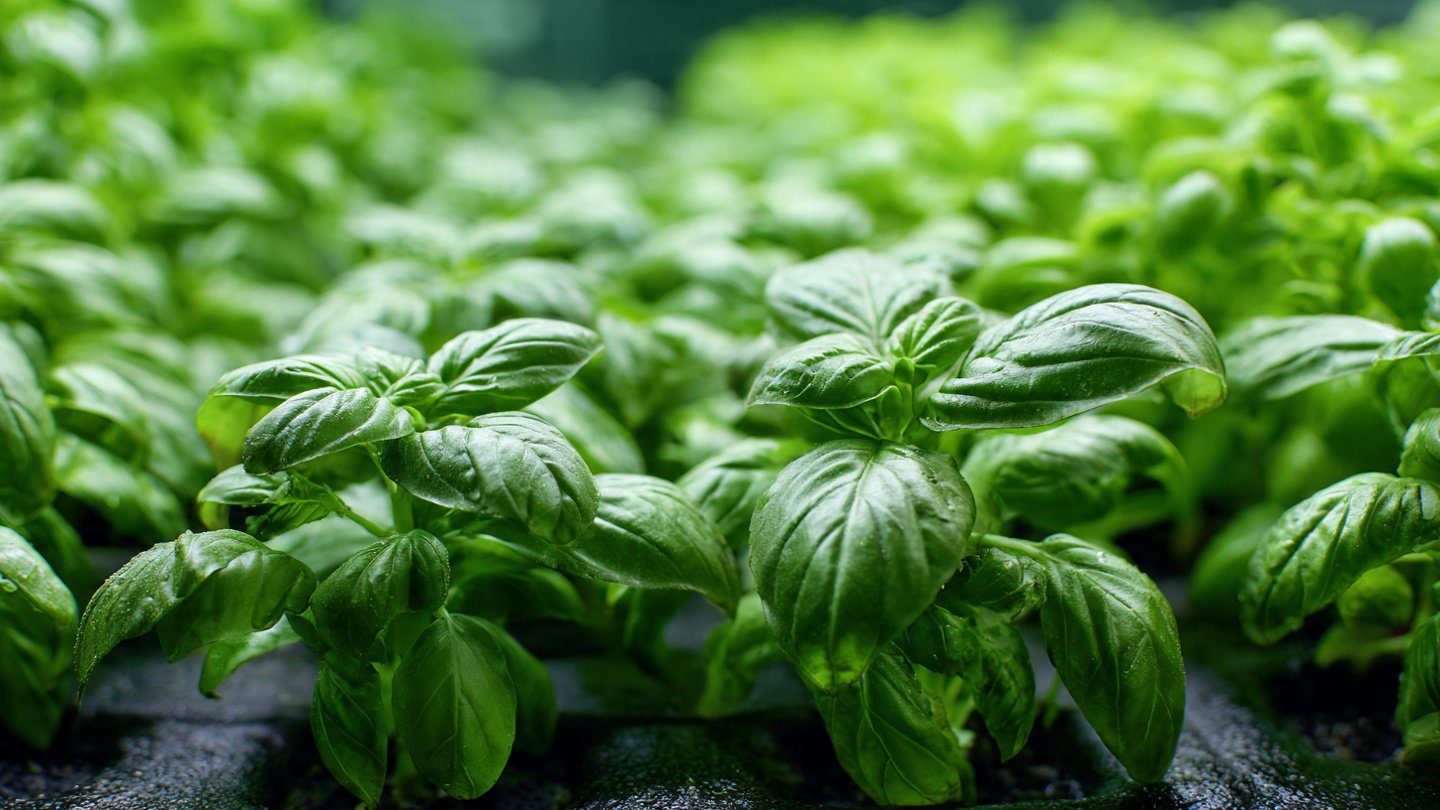
Basil (Ocimum basilicum) is a culinary herb cherished for its vibrant flavor and aromatic qualities. Whether you’re an aspiring gardener or a kitchen enthusiast, growing basil can elevate your culinary creations. This guide provides comprehensive insights into cultivating bushy basil plants for maximum flavor and aroma.
What is Basil?
Basil is a member of the mint family (Lamiaceae) and is native to tropical regions. It’s renowned for its diverse varieties, with sweet basil being the most common used in cooking. Basil’s flavor profile can range from sweet and peppery to slightly spicy, making it a versatile ingredient in various cuisines.
Why Grow Basil?
Growing basil has several benefits:
- Culinary Versatility: Basil is an essential ingredient in Mediterranean and Asian cuisines.
- Health Benefits: Basil is rich in antioxidants, vitamins, and has anti-inflammatory properties.
- Easy to Grow: Basil is a resilient plant that thrives in various conditions, making it perfect for beginners.
- Pest Repellent: Its strong aroma can deter pests from other plants in your garden.
Types of Basil
Before growing basil, it’s essential to understand the different varieties available. Here are some popular ones:
- Sweet Basil: The most common variety, perfect for pesto and sauces.
- Genovese Basil: A robust, aromatic basil often used in Italian dishes.
- Thai Basil: Has a sweet, spicy flavor, ideal for Asian cuisines.
- Lemon Basil: Offers a citrus aroma, great for salads and dressings.
- Purple Basil: Known for its striking color, it provides a mild, sweet flavor.
Growing Conditions for Basil
Light Requirements
Basil thrives in full sunlight. Ideally, it should receive 6 to 8 hours of direct sunlight daily. If growing indoors, place the pots in south-facing windows or consider using grow lights.
Soil
Basil requires well-drained, nutrient-rich soil. A mixture of potting soil, compost, and perlite is ideal. The soil pH should be slightly acidic to neutral (6.0 to 7.0).
Temperature
Basil is sensitive to cold. The optimal temperature range is 70°F to 85°F (21°C to 29°C). Ensure that nighttime temperatures do not drop below 50°F (10°C), as this can stunt growth.
How to Grow Bushy Basil Plants
1. Starting from Seeds
- Select High-Quality Seeds: Choose your preferred basil variety from a reputable source.
- Seed Germination: Plant seeds 1/4 inch deep in seed-starting mix. Keep the soil moist but not soggy.
- Germination Period: Seeds typically germinate within 5 to 10 days. Once seedlings are about 2 inches tall, they can be transplanted.
2. Transplanting
- Spacing: When seedlings have at least two sets of true leaves, transplant them into larger pots. Space plants 12 to 18 inches apart to ensure good air circulation.
- Hardening Off: If starting indoors, gradually acclimate the seedlings to outdoor conditions over a week (hardening off).
3. Watering
Basil needs consistent moisture but hates soggy roots. Water once or twice a week, allowing the top inch of soil to dry out between watering. Use a drip irrigation system or water deeply to encourage deeper root growth.
4. Fertilization
Feed your basil with a balanced fertilizer (NPK ratio of 5-10-10) every 4-6 weeks. Organic options, such as fish emulsion or compost tea, can also invigorate growth and enhance flavor.
5. Pruning and Harvesting
To achieve bushiness and increase yield, regular pruning is essential:
- Pinching Back: When plants reach about 6 inches tall, pinch off the top leaves to encourage lateral growth. This yields a bushier plant.
- Regular Harvesting: Harvest leaves regularly to encourage further growth. Cut stems just above a node (where leaves grow from the stem). Avoid removing more than one-third of the plant at once.
6. Pest and Disease Management
Basil is relatively pest-resistant but can encounter:
- Aphids: Use insecticidal soap or natural predators like ladybugs.
- Basil Downy Mildew: Ensure good air circulation and avoid overhead watering to minimize humidity.
- Fungal Infections: Rotate crops to prevent soil-borne diseases.
Indoor vs. Outdoor Basil Cultivation
Indoor Cultivation
- Container: Use pots with drainage holes and fill them with potting mix.
- Light: Supplement natural light with grow lights if necessary.
- Humidity: Maintain humidity levels, especially in dry environments, using humidity trays or misting.
Outdoor Cultivation
- Site Selection: Choose a sunny, well-drained garden bed.
- Companion Planting: Basil can thrive alongside tomatoes, peppers, and other herbs. Avoid planting near rue or sage, which can stunt its growth.
Harvesting and Using Basil
Harvesting Techniques
- Regularly prune and harvest to encourage new growth.
- For maximum flavor, harvest right before the plant flowers.
- Use fresh leaves in salads, sauces, and garnishes, or dry them for long-term use.
Preserving Basil
- Freezing: Chop and store fresh basil in ice cube trays with water or oil.
- Drying: Hang basil stems upside down in a dark, dry area for a few weeks.
- Pesto: Make basil pesto and store it in the fridge or freezer.
Common FAQs
1. How can I grow basil indoors?
Plant basil in pots with good drainage, ensure they get enough sunlight (preferably 6-8 hours), and use a nutrient-rich potting mix. Regularly prune to promote bushiness.
2. What causes basil leaves to turn yellow?
Yellowing leaves may indicate overwatering, nutrient deficiency, or poor drainage. Check the soil moisture and consider fertilizing.
3. Can I grow basil all year round?
Yes, with adequate light and temperature, you can grow basil indoors year-round. It thrives best in warm conditions.
4. How do I know when to harvest basil?
Harvest basil when plants are about 6-8 inches tall and have plenty of leaves. The best time to harvest is in the morning before the sun hits the leaves.
5. What should I do if my basil flowers?
Pinch off the flower buds as soon as you see them. Flowering can lead to a bitter taste in the leaves.
Conclusion
With its delightful flavor and aroma, bushy basil plants can enhance your cooking and gardening experience. By understanding the conditions and techniques for growing basil, you can cultivate a thriving herb garden that rewards you with fresh, aromatic basil year-round. Whether you’re using it in a recipe or simply enjoying its beauty in your garden, basil is a herb that will certainly delight your senses. Happy gardening!