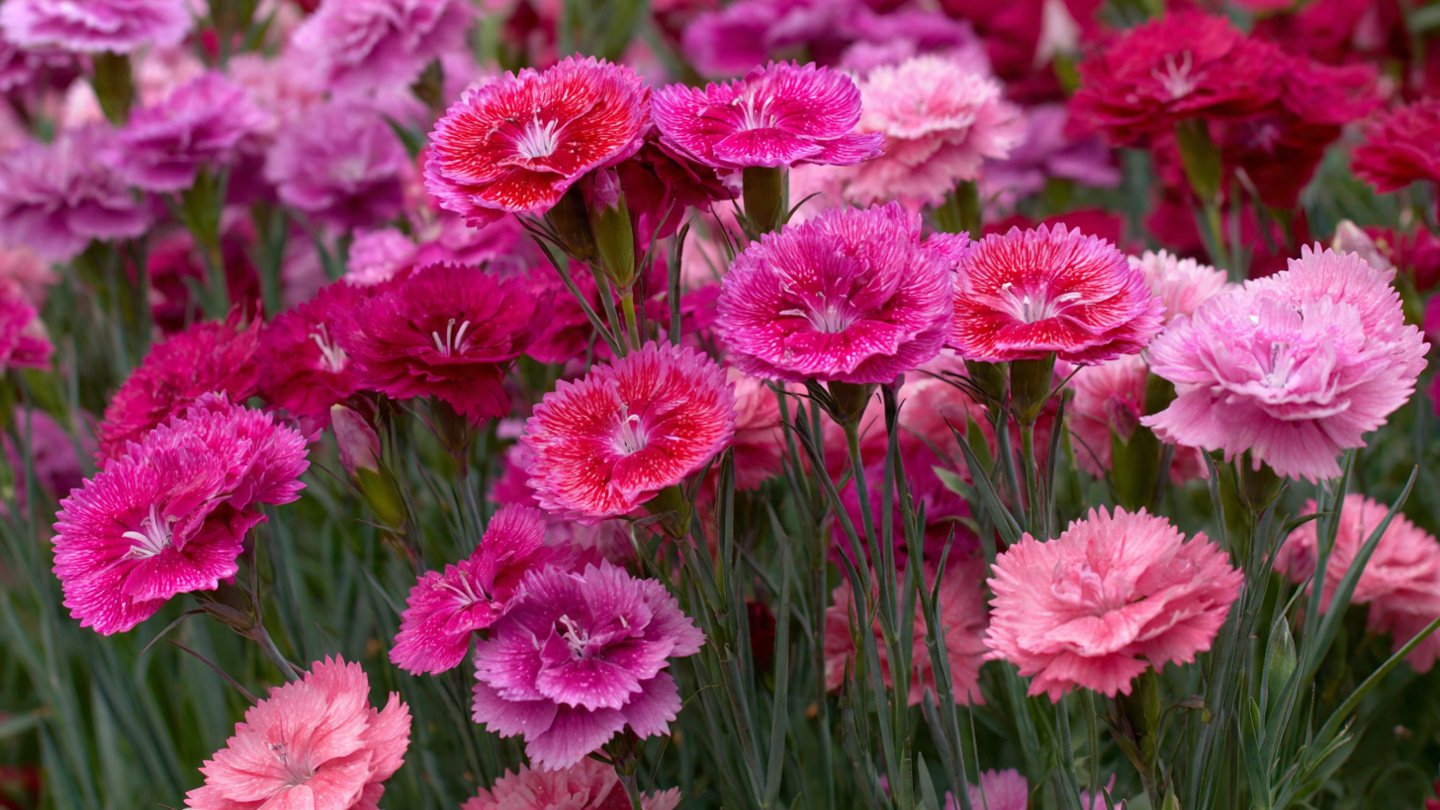
Dianthus, often referred to as pinks or carnations, is a cherished flowering plant admired for its vibrant colors and fragrant blossoms. Whether you’re an experienced gardener or a novice starting your green journey, growing Dianthus from seed can be a rewarding and delightful pursuit. This article will delve into effective methods for cultivating these beautiful blooms, ensuring that your garden displays are nothing short of spectacular.
Understanding Dianthus
Before we dive into the methods of growing Dianthus, it’s essential to understand the plant itself. Dianthus varieties range from perennial to annual and include well-known species such as Dianthus caryophyllus (carnation), Dianthus plumarius (garden pink), and Dianthus barbatus (sweet William). They come in a myriad of colors, including pink, red, white, and bi-colored options, providing versatility for any garden design.
Ideal Growing Conditions
To cultivate Dianthus successfully, it helps to understand their preferences:
-
Light: Dianthus thrives in full sun but can tolerate light shade. Ensure they receive at least six hours of sunlight a day.
-
Soil: Well-draining, fertile soil enriched with organic matter is ideal. A pH between 6.0 and 7.0 promotes healthy growth.
-
Watering: These plants prefer moderately moist soil. Ensure that the soil drains well to avoid sogginess, which can lead to root rot.
-
Temperature: Dianthus enjoys cooler temperatures; the ideal range is between 60°F and 75°F (15°C – 24°C).
Preparing for Planting
Before sowing Dianthus seeds, follow these steps to enhance your chances of success.
1. Selecting Seeds
Choose seeds from reputable suppliers, and consider the specific variety of Dianthus that fits your garden’s design and climate. Check for disease resistance and the suitability of the chosen variety to your hardiness zone.
2. Timing
Timing is crucial when planting Dianthus seeds. In most regions, sowing seeds indoors six to eight weeks before the last frost is recommended. Outdoor sowing can occur after the last frost date when the soil temperature is consistently warm.
3. Soil Preparation
Prepare a seed starting mix that retains moisture yet drains well. If using garden soil, amend it with compost or well-rotted manure to increase fertility and improve drainage.
Sowing Seeds Indoors
-
Containers: Start with seed trays or pots, ensuring they have drainage holes.
-
Planting Depth: Sow seeds on the surface of the moist soil and lightly press them down, as they need light to germinate. A light dusting of soil can be added.
-
Watering: Mist the soil gently to avoid displacing the seeds. Keep the soil consistently moist but not soggy.
-
Temperature and Light: Maintain a temperature of 70°F to 75°F (21°C – 24°C) for optimal germination. Using a grow light or a sunny windowsill can provide the necessary light.
-
Thinning: Once seedlings develop true leaves, thin them to allow adequate spacing. Thinning helps prevent overcrowding, which can lead to disease.
Transplanting Seedlings Outdoors
When seedlings reach about 3 to 4 inches in height and have several true leaves, they are ready for transplanting.
-
Hardening Off: Gradually acclimatize your seedlings to outdoor conditions over a week by placing them outside for a few hours each day, gradually increasing the duration.
-
Spacing: Dig holes that are slightly larger than the root ball of each seedling, and space the holes 6 to 12 inches apart, depending on the variety.
-
Planting: Remove the seedlings from their containers and gently loosen any tightly bound roots. Place them in their holes and backfill with soil, ensuring that the crown of the plant is level with the soil surface.
-
Watering: Water the newly transplanted seedlings thoroughly and continue to keep the soil moist as they establish.
Growing Dianthus from Seed Outdoors
If you prefer to sow Dianthus seeds directly into your garden, follow these steps:
-
Site Selection: Choose a sunny spot with well-drained soil.
-
Sowing Seeds: Scatter seeds evenly and lightly rake them into the soil. Ensure they are not buried too deeply.
-
Watering: Gently water the area to moisten the soil without creating puddles. Keep the soil moist until seedlings emerge.
-
Weed Control: Monitor the area for weeds that can compete with young Dianthus plants. Regular weeding is essential in the early growth stages.
Ongoing Care for Dianthus
Once your Dianthus plants are established, ongoing care will ensure they remain vibrant and healthy:
-
Watering: Water weekly, allowing the soil to dry slightly between waterings. Be cautious not to let them dry out completely.
-
Fertilizing: A balanced, slow-release fertilizer can be mixed into the soil at planting and reapplied once every month during the growing season.
-
Pruning: Deadhead spent flowers to encourage more blooms and prevent the plants from becoming leggy.
-
Pest and Disease Management: Regularly check for pests like aphids and spider mites. Employ organic pest control methods if needed. Fungal diseases can be mitigated by ensuring good air circulation and avoiding overhead watering.
Seasonal Care
Dianthus is generally hardy and can survive frost. However, in regions with harsh winters, consider mulching around the base to protect the roots. In the spring, prune back any dead growth to promote fresh growth.
Harvesting Seeds
If you wish to collect seeds for future planting, allow a few flower heads to mature on the plant. Once the flowers have dried and the seed pods turn brown, harvest them. Store the seeds in a cool, dry place until the next planting season.
Frequently Asked Questions (FAQs)
1. How long does it take for Dianthus seeds to germinate?
Dianthus seeds typically germinate within 7 to 14 days under optimal conditions.
2. Can Dianthus tolerate drought?
While Dianthus is relatively drought-tolerant, it thrives best with regular watering, especially during dry spells.
3. How do I keep Dianthus blooming all season long?
Regular deadheading and watering, combined with a balanced fertilizer, can help maintain continuous blooming throughout the season.
4. What are common pests or diseases that affect Dianthus?
Common pests include aphids, thrips, and spider mites. Fungal diseases such as powdery mildew can also occur, especially in humid conditions.
5. Is Dianthus a perennial or annual plant?
Dianthus can be either perennial or annual, depending on the species. Some types, like Dianthus caryophyllus, are typically grown as annuals, while others, like Dianthus gratianopolitanus, are perennial.
6. Can Dianthus be grown in containers?
Yes, Dianthus can thrive in containers. Ensure the pot has good drainage and use a quality potting mix.
7. When is the best time to plant Dianthus seeds?
Seeds can be planted indoors 6 to 8 weeks before the last frost or sown directly outdoors after the last frost date.
Conclusion
Growing Dianthus from seed can lead to stunning garden displays filled with color and charm. By understanding their needs and following best practices for sowing, transplanting, and caring for these plants, you’ll create a vibrant landscape that draws admiration. With just a little effort and attention, you can enjoy the beauty and fragrance of Dianthus in your garden year after year. Happy gardening!