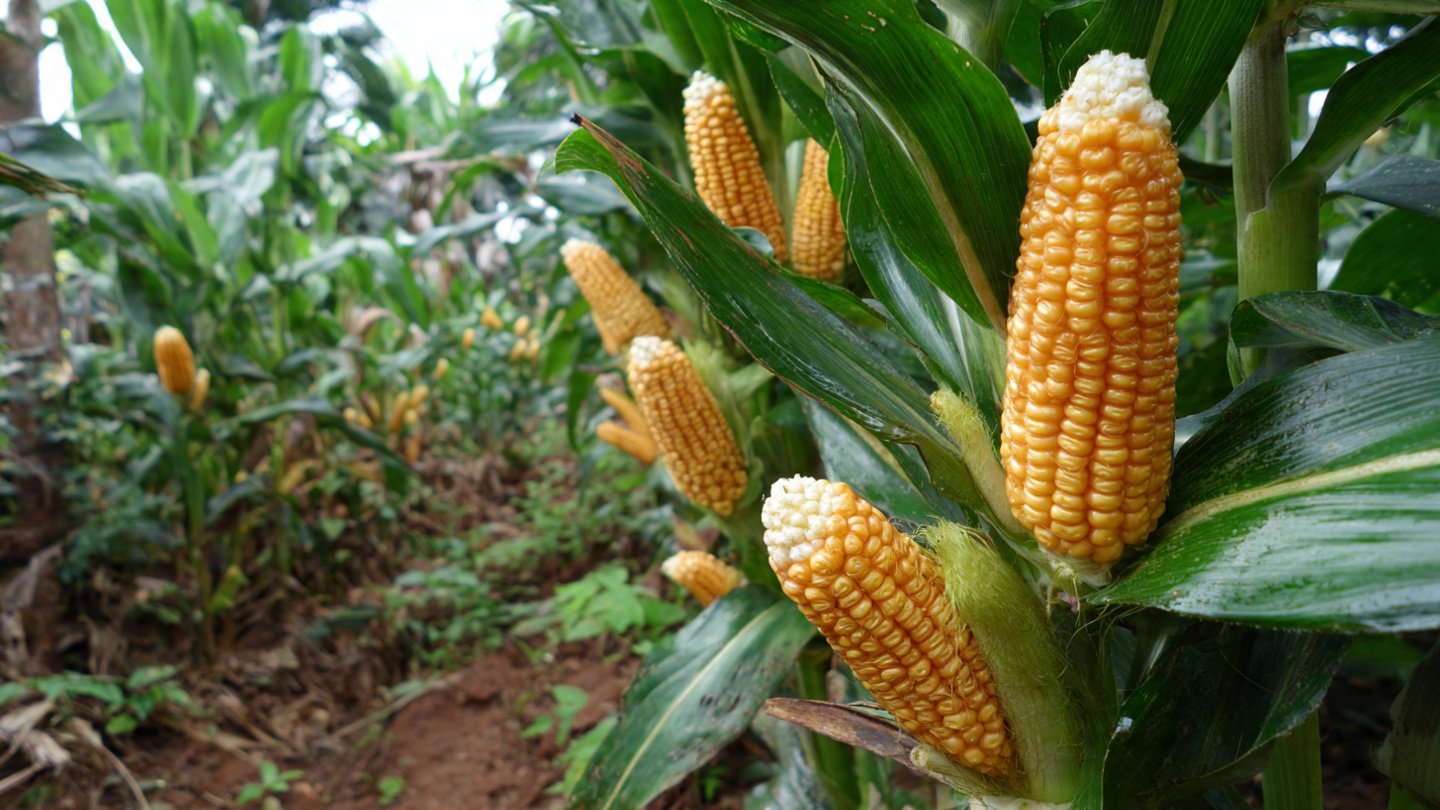
Maize, or corn, is one of the most widely cultivated crops globally, providing essential nutrients to millions of people and serving as a basis for various food products. For small-scale farmers, especially in developing countries, maize plays a critical role in food security, income generation, and rural development. With the rising challenges posed by climate change, soil degradation, and economic uncertainties, adopting innovative agricultural practices becomes imperative. Compact maize varieties, developed for higher yields in limited spaces, offer numerous benefits specifically for small-scale farmers. This article explores the advantages of growing these compact varieties and addresses frequently asked questions about their cultivation and benefits.
What Are Compact Maize Varieties?
Compact maize varieties are hybrids or open-pollinated cultivars that are bred to have shorter plant heights and closer planting distances. Unlike traditional varieties, which can grow quite tall and require considerable space, compact maize is optimized for higher yield per unit area. These varieties often have significant advantages regarding adaptability, resilience to adverse conditions, and specific agronomic traits tailored to meet local farming needs.
Advantages of Compact Maize Varieties
1. Higher Yield per Unit Area
One of the primary benefits of compact maize varieties is their ability to produce higher yields in smaller plots of land. Smaller plant height allows for increased planting density, which means that farmers can cultivate more plants within the same area. This results in greater overall productivity, enabling farmers to maximize the output of their limited land resources.
2. Less Susceptibility to Wind Damage
Traditional maize varieties often face challenges due to their height, making them more vulnerable to wind damage. Compact varieties are generally sturdier and can withstand windy conditions better. This resilience helps prevent the loss of crop yield due to adverse weather conditions, which is especially beneficial for small-scale farmers who cannot afford to lose their harvest.
3. Reduced Inputs
Growing compact maize can lead to reduced agricultural input costs, such as fertilizers and pesticides. Because these varieties are designed to thrive in specific growing conditions, farmers may find that they require fewer inputs than traditional varieties. This reduction in input needs translates to lower financial burdens, making maize farming more sustainable and profitable.
4. Enhanced Nutritional Profile
Many compact maize varieties are bred for better nutritional quality, including higher protein content and essential micronutrients. This improvement not only benefits farmers’ families but also enhances the marketability of their produce. Nutrient-rich maize can command higher prices, contributing to better income for small-scale farmers.
5. Shorter Growing Seasons
Compact maize varieties typically have shorter growth cycles compared to traditional maize. This can be advantageous in regions with a shorter rainy season, allowing farmers to harvest multiple crops per year. The flexibility in crop rotation can enhance soil fertility and reduce pest cycles, leading to a sustainable farming system.
6. Resilience to Environmental Stress
As climate change continues to impact agriculture, compact maize varieties are often bred to be more resilient to temperature fluctuations, drought, and pest challenges. Small-scale farmers, who may lack resources for irrigation and pest control, can derive significant benefits from these resilient cultivars. Access to more resilient plants ensures they can continue farming despite changing environmental conditions.
7. Space Efficiency
With global populations rising, the availability of agricultural land is declining in many areas. Compact maize varieties allow small-scale farmers to optimize their land use, making it feasible to grow maize even in limited urban or peri-urban settings. This space efficiency aligns with modern agricultural needs, making it easier for urban farmers to contribute to local food systems while maximizing productivity.
8. Improved Weed Management
Due to their lower plant height and denser planting configurations, compact maize varieties create a microclimate that can suppress weed growth. This natural weed management reduces the farmers’ reliance on herbicides, contributing to more sustainable farming practices and a healthier environment.
9. Market Demand and Profitability
With the rise in health consciousness among consumers and a shift toward more sustainable food choices, there’s an increasing market demand for maize with desirable traits. Compact varieties that offer superior nutritional profiles can capture this market attention. By diversifying their crop portfolios with high-quality maize, farmers can increase their profitability and create more robust farm businesses.
10. Community Building and Knowledge Transfer
Growing compact maize can encourage collaboration and knowledge sharing among farmers. When small-scale farmers experiment with these varieties and share their experiences—whether through community-based workshops or local farming cooperatives—the entire farming community benefits from shared knowledge and best practices. This collective approach can lead to better adoption of innovative agricultural practices, fostering socio-economic growth in rural areas.
Conclusion
The advantages of cultivating compact maize varieties are numerous, especially for small-scale farmers. From higher yields and reduced input costs to enhanced resilience and improved nutritional quality, these compact varieties present an opportunity for farmers to optimize their businesses sustainably. As we face the growing challenges of climate change and food security, embracing innovative agricultural practices such as compact maize cultivation is not just beneficial; it’s essential for creating a resilient future for small-scale farming.
FAQs
Q1: What are the main differences between compact maize and traditional maize varieties?
A1: The primary differences include plant height, spacing, yield potential, and adaptability to environmental stresses. Compact maize varieties are typically shorter and more densely planted, leading to higher yields per unit area compared to traditional tall varieties.
Q2: How can I obtain compact maize seeds?
A2: Compact maize seeds are often available through agricultural cooperatives, local seed banks, and agricultural supply stores. It’s advisable to seek seeds that are certified and suited for your local growing conditions.
Q3: Do compact maize varieties require special cultivation practices?
A3: While compact maize can be easier to manage, it’s essential to follow recommended agronomic practices such as planting density, nutrient management, and pest control for optimal growth. Consulting local agricultural extension services can provide tailored guidance.
Q4: Are compact maize varieties more expensive than traditional varieties?
A4: Initial seed costs for compact maize varieties may vary, but the potential for higher yields and reduced input costs can outweigh the initial investment, making them a cost-effective choice in the long run.
Q5: Can I grow compact maize in my small backyard?
A5: Yes! Compact maize varieties are particularly suited for smaller plots and urban gardening. They can thrive in limited spaces, allowing you to grow your maize even in a backyard garden.
Q6: How do compact maize varieties contribute to food security?
A6: By increasing crop yields on limited land, with resilience to climate and market challenges, compact maize varieties can enhance food availability, affordability, and nutritional quality in communities.
Q7: Are there specific pest challenges associated with compact maize varieties?
A7: While compact varieties may have advantages in some areas, they may still be susceptible to certain pests. Integrated pest management strategies, including crop rotation and biological controls, can be effective in managing these challenges.
Q8: How do I assess which compact maize variety is best for my region?
A8: It’s vital to consider local climate, soil type, and potential pest challenges. Consulting with local agricultural experts, extension services, or organizations specializing in crop research can provide valuable insights in selecting the right variety.
Embracing compact maize varieties presents an exciting opportunity for small-scale farmers to enhance productivity, resilience, and sustainability in agricultural practices, paving the way for a brighter future in farming.