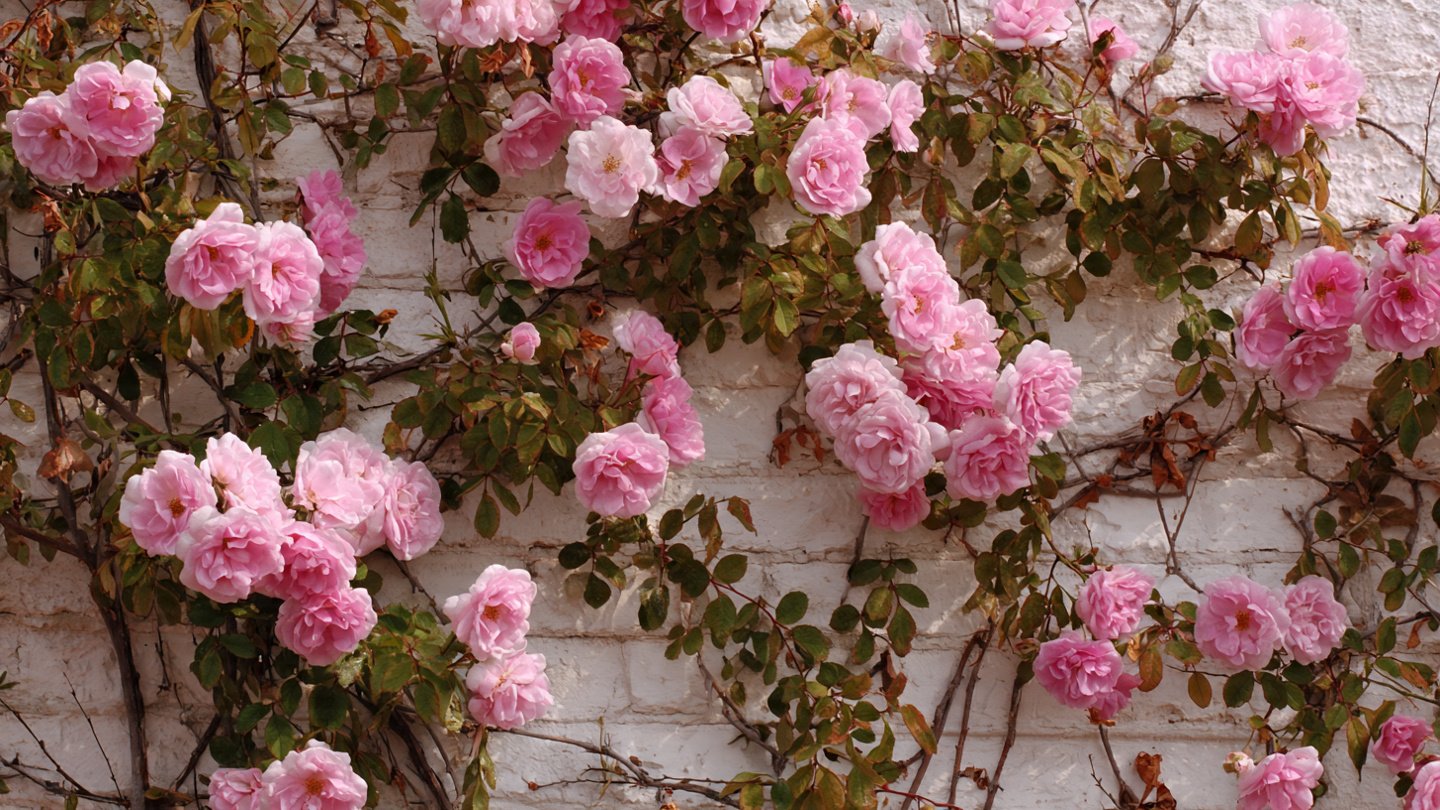
Rambler roses, known for their lush blossoms and strong climbing ability, can transform ordinary walls and fences into stunning vertical gardens. These roses are perfect for creating a beautiful, natural decor that provides both aesthetic appeal and a touch of privacy. In this article, we will explore easy hacks for growing rambler roses on your walls using simple techniques and natural methods.
Understanding Rambler Roses
Before diving into the hacks, it’s vital to understand what rambler roses are. These roses are characterized by long, flexible stems, a generous blooming period, and a sweet fragrance. They typically thrive in USDA Zones 3-9 and can grow up to 15 feet or more, making them perfect for covering walls, trellises, or arbors.
Key Characteristics of Rambler Roses:
- Growth Habit: Rambler roses produce long, arching canes that can climb effectively.
- Bloom Time: Most bloom in mid to late spring, with some varieties blooming in repeat cycles throughout the summer.
- Scent: Many have a delightful fragrance, adding to their allure.
- Varieties: Popular types include ‘American Pillar,’ ‘Bobbie James,’ and ‘Thompson & Morgan’s Snow Goose.’
Choosing the Right Spot
The first step in growing rambler roses is selecting the right location. Here are some criteria for choosing the perfect spot:
-
Sunlight: Rambler roses thrive in full sun, requiring at least 6 hours of direct sunlight daily.
-
Support Structure: Ensure there is a robust structure such as a wall, trellis, or pergola where the rose can climb.
-
Soil Type: Choose well-drained soil rich in organic matter. You can enhance your soil by mixing in compost or well-rotted manure.
-
Accessibility: Plant your roses where they can be easily accessed for maintenance, including watering, pruning, and pest control.
Planting Tips for Rambler Roses
Step 1: Preparing the Soil
Before planting, it’s crucial to prepare the soil. Here’s how to do it:
- Clear the Area: Remove all weeds, grass, and debris from the planting site.
- Loosen the Soil: Use a garden fork to aerate the soil to a depth of about 12 inches.
- Amend the Soil: Mix in compost or well-rotted manure to enrich the soil with nutrients.
Step 2: Planting Procedures
Follow these steps when planting rambler roses:
- Dig a Hole: Create a hole twice as large as the root ball of your rose, and about as deep.
- Water the Roots: Soak the roots of the plant in water for at least an hour before planting.
- Position the Plant: Place the plant in the hole, ensuring that the graft union (swelling on the stem) is level with the soil surface.
- Fill and Water: Fill in the hole with soil, firming it gently around the roots, and water thoroughly after planting.
Training Your Rambler Roses
Training rambler roses might seem challenging, but it can be quite simple with a few techniques:
Step 1: Use Suitable Supports
- Trellises: Build a trellis that is sturdy enough to support the weight of the roses as they grow.
- Wire Fencing: Install wire fencing for a more rustic look where the roses can grab hold.
- Arbors or Pergolas: These structures not only support the roses but also create shady spots in your garden.
Step 2: Basic Training Techniques
- Guiding the Canes: As the new growth shoots begin to emerge, gently guide them towards the support structure.
- Use Soft Ties: Use soft ties like garden tape, jute twine, or even strips of fabric to secure the canes to the trellis, avoiding any damage to the stems.
- Encourage Horizontal Growth: Encourage the canes to grow horizontally, as this promotes more blooms.
Natural Care Techniques
Taking care of rambler roses naturally not only boosts their growth but also contributes to an eco-friendly garden.
Organic Fertilization
Rather than using chemical fertilizers, opt for organic options like:
- Compost Tea: Soak compost in water and strain it, then use this liquid to nourish the plants.
- Fish Emulsion: A nutrient-rich solution that provides essential nutrients and encourages robust growth.
Pest Control
To maintain a healthy rose plant, you can use natural pest control methods:
- Neem Oil: A natural insect repellent that is effective against many common pests like aphids and spider mites.
- Insecticidal Soap: A mild soap solution that can help control pests without harming beneficial insects.
Mulching
Applying organic mulch, such as leaf mold or wood chips, around the base of your roses retains moisture, suppresses weeds, and regulates soil temperature.
Pruning Strategies for Rambler Roses
Pruning is essential to maintaining the health of rambler roses. Here’s how to do it effectively:
- Timing: The best time to prune rambler roses is right after flowering, usually in late summer or early autumn.
- Tools: Use sharp, clean pruning shears to avoid damaging the stems.
- Pruning Techniques:
- Remove Dead Wood: Cut out any dead or diseased branches to promote healthy growth.
- Thin Out Growth: Selectively remove some canes to improve airflow and light penetration.
Troubleshooting Common Issues
Yellowing Leaves
If the leaves turn yellow, it may indicate overwatering or nutrient deficiency. Assess your watering schedule and consider fertilizing.
Poor Flower Production
This issue may arise from insufficient sunlight or improper pruning. Ensure your rambler roses receive adequate light and prune them correctly.
Pests and Diseases
Watch for pests like aphids or spider mites, and diseases like powdery mildew. Treat affected plants promptly using natural pesticides or fungicides.
Seasonal Care Routine
Spring
- Fertilize with a balanced organic fertilizer.
- Water deeply to encourage root growth.
Summer
- Regularly check for pests.
- Keep the soil consistently moist, especially during hot spells.
Autumn
- Prune spent flowers and prepare plants for winter.
- Apply mulch to insulate the roots.
FAQs
Q1: How long does it take for rambler roses to bloom?
A1: Generally, rambler roses will begin blooming within the first couple of years after planting, depending on the variety and care.
Q2: Can I grow rambler roses in pots?
A2: Yes, you can grow rambler roses in large, deep pots with adequate drainage. Ensure they have a supporting structure to climb.
Q3: When should I fertilize my rambler roses?
A3: Fertilize in early spring, just as new growth begins, and again after the first bloom cycle.
Q4: How do I know if my soil is suitable for rambler roses?
A4: A well-drained soil with a pH between 6.0 and 6.8 is ideal. You can test your soil using a home soil testing kit.
Q5: Can I propagate rambler roses at home?
A5: Yes, rambler roses can be propagated through softwood cuttings taken in summer. Ensure you use clean tools and provide a humid environment.
Conclusion
Growing rambler roses on your walls can be a fulfilling and beautiful journey. By following the simple techniques outlined in this article, you can create a vibrant and inviting space that showcases the lush beauty of these remarkable plants. Armed with natural methods, proper care, and a bit of creativity, your wall will soon be adorned with a stunning display of rambler roses. So get started today, and enjoy the enchanting blooms that will brighten your outdoor space for years to come!