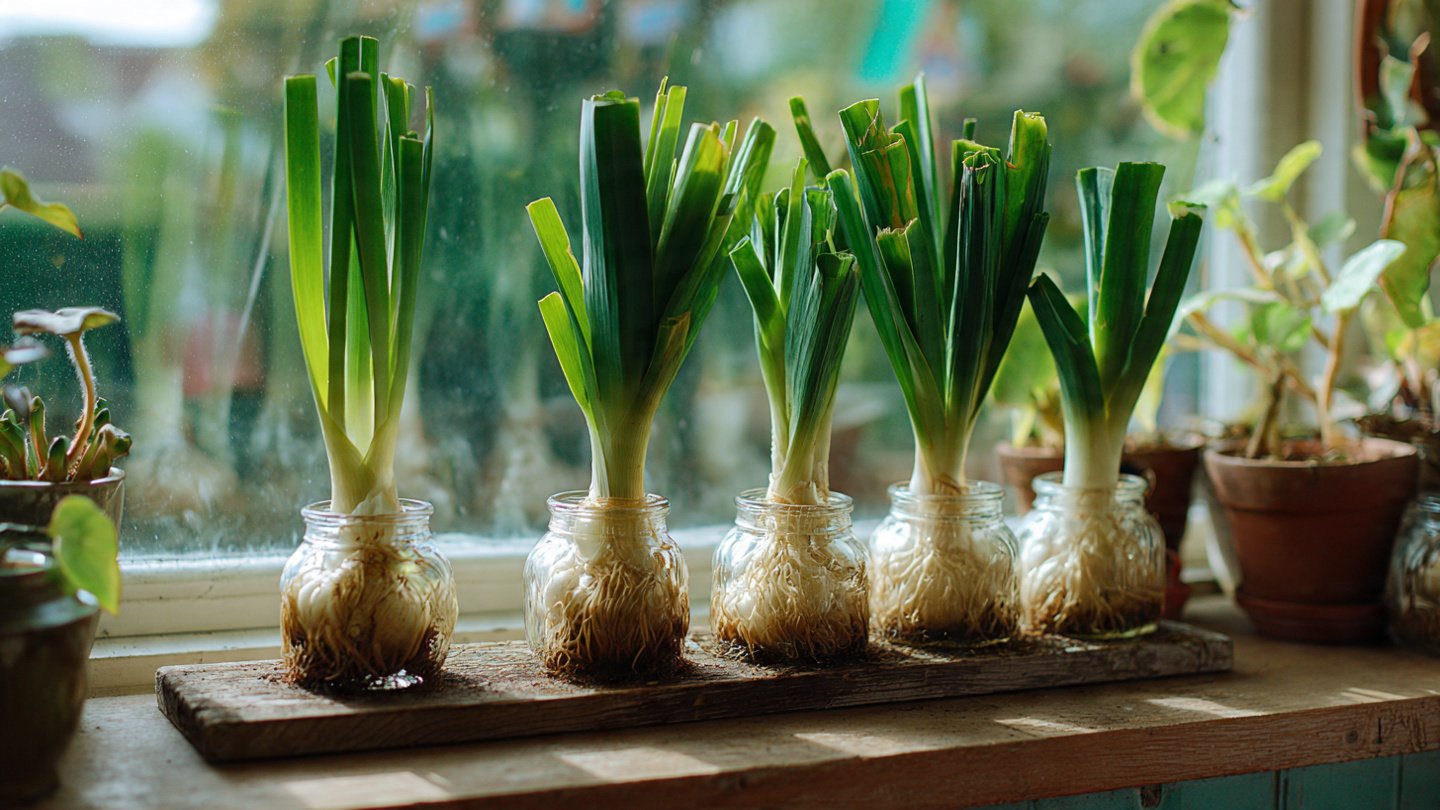
Leeks, with their mild onion flavor and versatility in cooking, are a delightful addition to many dishes. Growing your leeks from kitchen scraps is sustainable, cost-effective, and simple, making it an excellent option for both beginner and seasoned gardeners. This article will delve into the various methods for cultivating leeks from kitchen scraps, present essential tips for success, and answer frequently asked questions to make your gardening experience enjoyable and productive.
What Are Leeks?
Leeks (Allium ampeloprasum) are a member of the allium family, which also includes garlic, onions, and chives. They are characterized by a long white shaft and broad, flat green leaves. Nutritionally, leeks are a good source of vitamins A, C, and K, as well as folate and manganese. Their unique flavor enhances soups, stews, sauces, and many other culinary dishes.
Why Grow Leeks from Kitchen Scraps?
Growing leeks from kitchen scraps is beneficial for several reasons:
- Cost-Effective: You save money by reusing scraps that would otherwise go to waste.
- Sustainable Practices: This method supports eco-friendly gardening and reduces waste.
- Convenience: Scraps are readily available in your kitchen, making it easy to start your gardening journey.
- Rapid Growth: Leeks can grow quickly from scraps, providing you with fresh produce in no time.
Basic Steps for Cultivating Leeks from Scraps
Step 1: Gather Your Materials
Before you begin, gather the necessary materials:
- Fresh leeks
- A sharp knife
- A bowl or container
- Water
- Potting soil or a raised garden bed
- A small planter or garden space
Step 2: Cut Leeks
Using a sharp knife, cut the leeks about 1-2 inches above the root base. It is essential to retain some of the roots, as they will help the plant regrow. The tops can also be kept for the first few inches to aid in photosynthesis.
Step 3: Water Soaking Method
- Place in Water: Place the leek roots in a bowl filled with water. Make sure the cut ends are submerged, but the tops remain above the waterline.
- Sunlight location: Position the bowl in a sunny spot, preferably with direct sunlight for 4-6 hours a day.
- Change Water Daily: Change the water daily to prevent bacteria growth. This method promotes faster root regeneration.
Step 4: Transplanting into Soil
Once you see new roots and green shoots emerging (usually within 5-10 days), it’s time to transplant your leeks.
- Prepare Potting Soil: Use nutritious potting soil and ensure good drainage. You can also add compost to enhance fertility.
- Remove from Water: Take the leeks out of the water gently. Avoid damaging the new roots.
- Plant in Soil: Create holes in the soil, about 4-6 inches apart. Place the leeks in these holes, ensuring the roots are covered and the green tops remain above the soil.
- Watering: Water the newly planted leeks thoroughly to settle the soil around the roots.
Step 5: Ongoing Care
Leeks have specific care requirements to grow successfully from kitchen scraps:
- Sunlight: Ensure they receive full sunlight for at least 6 hours a day.
- Watering: Water leeks consistently, keeping the soil moist but not waterlogged. Deep watering once or twice a week is usually sufficient.
- Fertilization: Fertilize the leeks with a balanced fertilizer every few weeks to promote growth.
- Weeding: Keep the area around the leeks weed-free to reduce competition for nutrients.
Alternative Cultivation Methods
Regrowing in Soil
If you prefer to grow leeks directly in soil, follow these steps:
- Cut and Plant: Cut the leek tops while ensuring you retain the base. Immediately plant them in a prepared garden bed or pot filled with soil.
- Water Regularly: Be diligent about watering and maintaining soil health to encourage growth.
Hydroponic System
If you’re interested in advanced gardening, try hydroponics:
- Set Up a Hydroponic System: Use nutrient solutions to grow leeks in containers without soil. Ensure you have proper light sources.
- Regular Monitoring: Monitor nutrient levels and pH to ensure optimal growth conditions.
Pest and Disease Management
Pest outbreaks and diseases can hinder growth. Here are some preventive measures:
- Monitor for Pests: Check for aphids, onion flies, and other pests regularly. Use insecticidal soap if needed.
- Rotate Crops: Avoid planting leeks in the same spot each year to prevent disease buildup in the soil.
- Good Hygiene: Remove plant debris around the garden to minimize disease risk.
Harvesting Your Leeks
Leeks take about 90-120 days to mature. You will know they are ready to harvest when they reach about 1 inch in diameter. To harvest:
- Loosen the Soil: Gently loosen the soil around the leeks using a garden fork.
- Pull Carefully: Grasp the base of the leek and pull it straight up. Be careful not to damage the roots of surrounding plants.
- Wash and Store: Rinse leeks thoroughly to remove soil, and store them in the refrigerator wrapped in a damp cloth or in a perforated bag.
FAQs
How long does it take for leeks to regrow from kitchen scraps?
Typically, leeks can take about 5-10 days to start showing new growth. However, full development may take 90-120 days.
Can I grow leeks indoors?
Yes! You can grow leeks indoors as long as they receive sufficient sunlight or grow lights. Ensure proper ventilation and humidity levels.
Is it necessary to fertilize leeks?
Yes, leeks benefit from regular fertilization with a balanced fertilizer every few weeks to support their growth.
How often should I water leeks?
Water leeks consistently to keep the soil moist but not soggy. Deep watering once or twice a week is usually sufficient, depending on weather conditions.
What if my leeks start to flower?
If leeks bolt (flower), the edible quality decreases. Pinch off the flower stalk to redirect energy back to the growth of the bulb. Once bolting occurs, the leek’s flavor may change, and it’s best to harvest them earlier.
Can leeks be grown in containers?
Absolutely! Use deep containers with good drainage. Ensure the container is at least 12 inches deep to accommodate the leek’s root system.
Conclusion
Growing leeks from kitchen scraps at home is a rewarding and practical activity. It not only reduces waste but also allows you to enjoy fresh, homegrown produce. By following the outlined steps and best practices, you’ll cultivate a thriving leek garden, contributing to your kitchen and sustainability efforts. Whether you’re an experienced gardener or just starting, this enjoyable process brings the benefits of gardening right to your home.