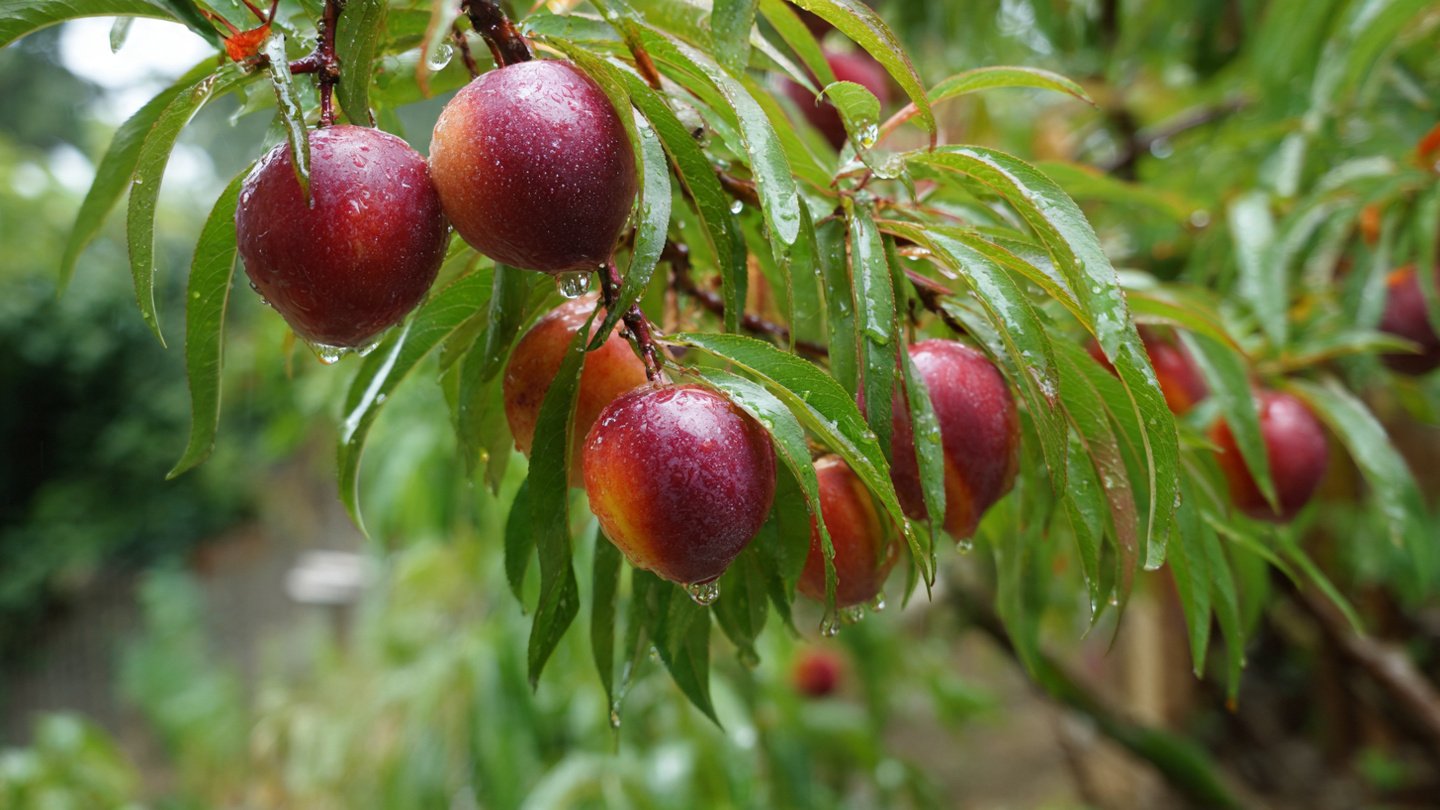
Nectarines, with their smooth skin and succulent flesh, have become a favorite among fruit lovers. This delightful stone fruit is not only a flavorful treat but also easy to grow in your backyard garden, provided you follow the right techniques. In this article, we will explore essential tips for successfully cultivating nectarines, including planting, caring for, and harvesting these delicious fruits. Let’s dive in!
Understanding Nectarines
Nectarines (Prunus persica var. nucipersica) are a species of peach that are distinguished by their smooth skin. They belong to the Rosaceae family, along with other fruits like cherries, plums, and apricots. Nectarines are classified into two categories: freestone and clingstone, referring to how easily the flesh separates from the pit.
Choosing the Right Variety
When starting your nectarine garden, selecting the right variety is crucial. Some popular varieties include:
- Flavortop: Known for its sweetness and juiciness, making it perfect for fresh eating.
- Honey Blaze: A medium-sized fruit with strong flavor and vibrant color.
- Pandora: A naturally dwarf variety, ideal for container gardening.
Choose varieties that are suited to your climate and growing conditions—consult local nurseries or gardening centers for recommendations.
Location Matters
Sunlight
Nectarines thrive in full sun, requiring at least 6-8 hours of direct sunlight daily. Choose a location in your yard that receives ample sunlight throughout the day to ensure healthy growth and fruit production.
Soil Quality
Nectarines prefer well-draining, sandy loam soil with a pH between 6.0 and 6.8. Conduct a soil test to check its pH and nutrient levels. If your soil is too acidic or alkaline, you can amend it using lime to raise the pH or sulfur to lower it.
Drainage
Good drainage is essential for nectarines, as standing water can lead to root rot. If your garden is prone to waterlogging, consider planting your trees on mounds or in raised beds.
Planting Nectarines
Timing
The best time to plant nectarines is in early spring after the last frost has passed. Alternatively, you can plant in the fall, about 4-6 weeks before the first hard frost.
Spacing
When planting nectarines, space them 15-20 feet apart to allow for proper air circulation and growth. This distance helps reduce the risk of disease and allows each tree to receive adequate sunlight.
Planting Process
- Dig the Hole: Dig a hole that is twice as wide and just as deep as the root ball of the tree.
- Prepare the Soil: Mix in organic matter, such as compost, to improve the soil’s fertility.
- Place the Tree: Position the tree in the center of the hole, ensuring that the graft union (the bulge on the trunk where the tree was grafted) is above soil level.
- Backfill and Water: Fill the hole with soil and water thoroughly to eliminate air pockets. A mulch layer can help retain moisture.
Caring for Nectarine Trees
Watering
Nectarines require regular watering, especially during dry spells. Aim to provide about an inch of water per week, either through rainfall or irrigation. It’s important to water deeply, ensuring the moisture reaches the root zone. Avoid overhead watering to minimize the risk of diseases.
Fertilizing
Fertilizing your nectarines is essential for their growth and fruiting. Use a balanced fertilizer (such as 10-10-10) in early spring as new growth starts. Follow the manufacturer’s instructions for application rates. Additionally, organic options like compost or well-aged manure can enrich your soil.
Pruning
Pruning helps maintain tree shape, encourages healthy growth, and boosts fruit production. Here’s a basic pruning guide:
- Timing: Prune in late winter or early spring while the tree is still dormant.
- Remove Dead or Damaged Wood: Cut away any dead or damaged branches to promote better air circulation.
- Thin the Canopy: Remove some interior branches to allow sunlight to penetrate and reach the fruit.
- Shape the Tree: Aim for an open center shape to improve airflow and reduce disease risk.
Pest and Disease Management
Common pests that may affect nectarines include aphids, cherry fruit flies, and peach tree borers. Regularly monitor your trees for signs of infestation.
- Preventive Sprays: Use organic neem oil or insecticidal soap to deter pests.
- Disease Management: Fungal infections like brown rot can occur. Ensure good air circulation through pruning and maintain proper watering practices.
Pollination
Most nectarine varieties are self-pollinating, meaning they can produce fruit without another tree nearby. However, planting different varieties can improve yields and fruit quality. Ensure there are enough pollinators, like bees, in your garden by planting floral companions.
Harvesting Nectarines
Timing
Nectarines typically take 90 to 130 days after bloom to ripen, depending on the variety. Signs of readiness include:
- Color Change: The fruit’s color will deepen.
- Firmness: Gently squeeze to check for slight softness.
- Aroma: Ripe nectarines will emit a sweet fragrance.
Harvesting Method
To harvest nectarines, grasp the fruit and twist gently until it separates from the branch. Avoid pulling straight down, as this can damage the fruit and tree.
Storing Nectarines
For short-term storage, keep nectarines at room temperature to allow them to ripen. Once ripe, they can be refrigerated to extend their shelf life. Consume them within a week for the best flavor.
FAQs
1. Can nectarines be grown in containers?
Yes, dwarf varieties can be successfully grown in containers, making them suitable for patios and small spaces.
2. How long does it take for nectarines to bear fruit?
Typically, nectarines will bear fruit 2-4 years after planting, depending on the variety and growing conditions.
3. Are nectarines self-pollinating?
Most nectarines are self-pollinating, but planting multiple varieties can increase fruit yield.
4. When is the best time to prune nectarines?
Pruning is best done in late winter or early spring when the tree is still dormant.
5. What common pests should I watch for on nectarines?
Aphids, fruit flies, and borers are common pests. Regular monitoring and preventive measures like neem oil can help control them.
Conclusion
Growing nectarines in your backyard garden can be a rewarding experience, yielding delicious fruit and enhancing your landscape. By choosing the right varieties, providing proper care, and harvesting at the right time, you’ll be well on your way to enjoying homegrown nectarines. Happy gardening!